



 1st - Gold

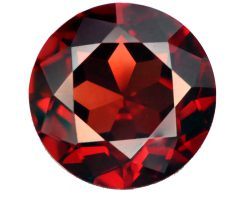 January
 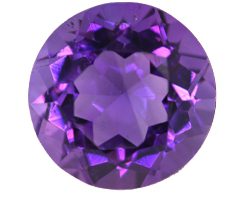 February
 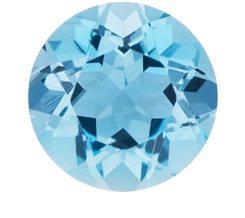 March
March 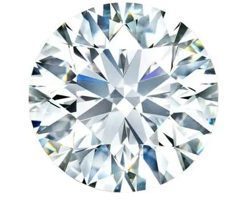 April
April 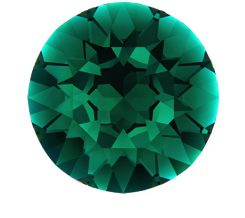 May
May 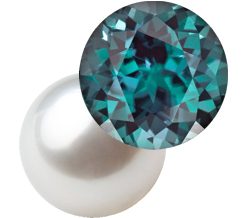 June
June 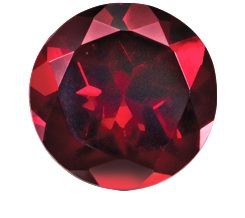 July
July 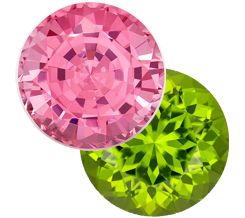 August
 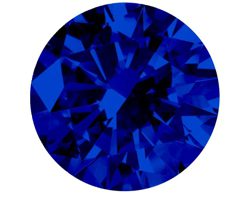 September
 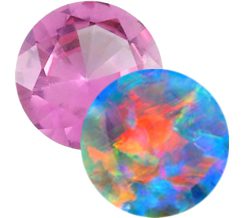 October
 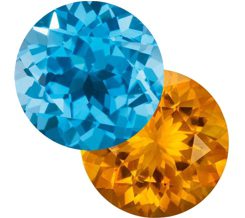 November
 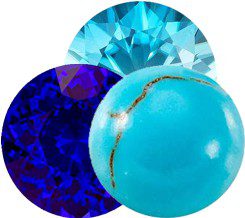 December
 Capricorn - Garnet
  Aquarius - Amethyst
  Pisces - Aquamarine
  Aries - Diamond
  Taurus - Emerald
  Gemini - Pearl
  Cancer - Ruby
  Leo - Peridot
  Virgo - Blue Sapphire
  Libra - Opal
  Scorpio - Topaz
  Sagittarius - Tanzanite


Kyanite Gemstones – Properties, Origins, Treatments and Buying Guide
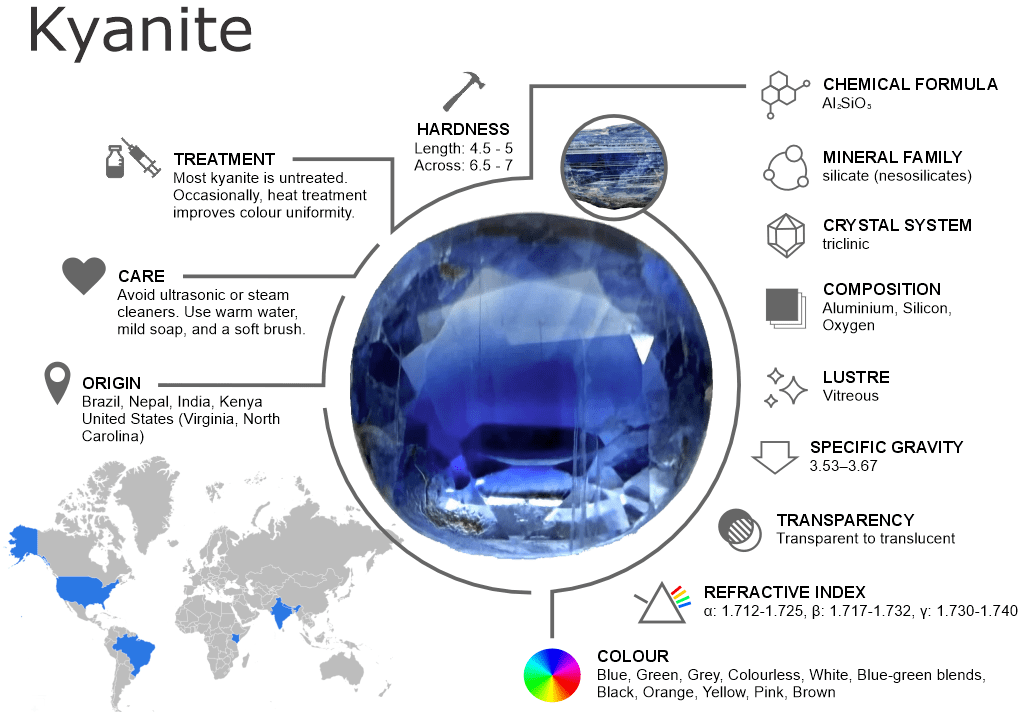
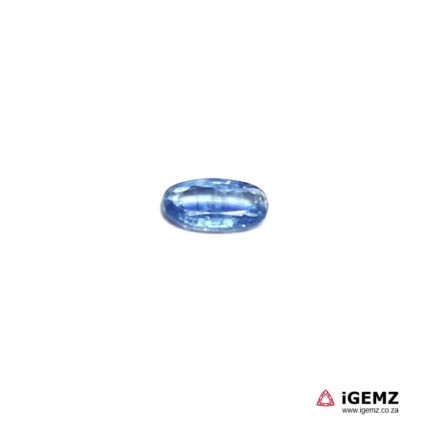
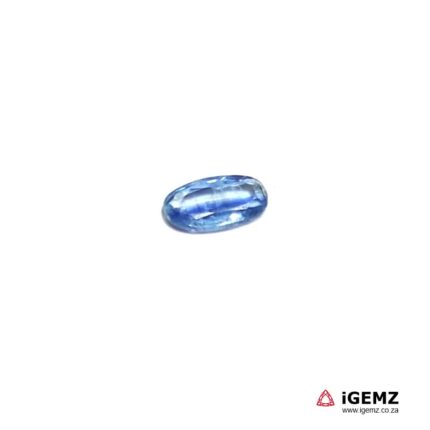
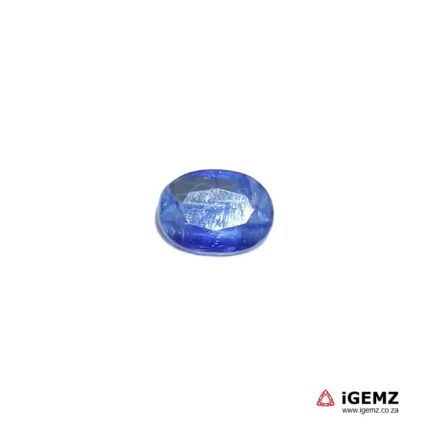
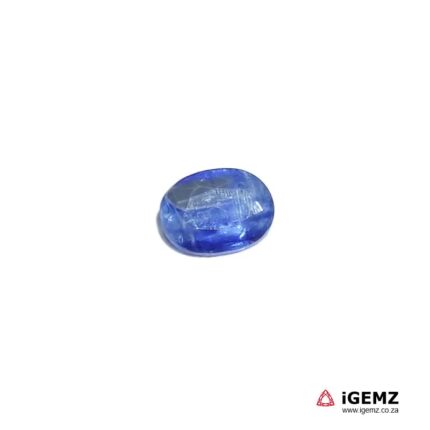
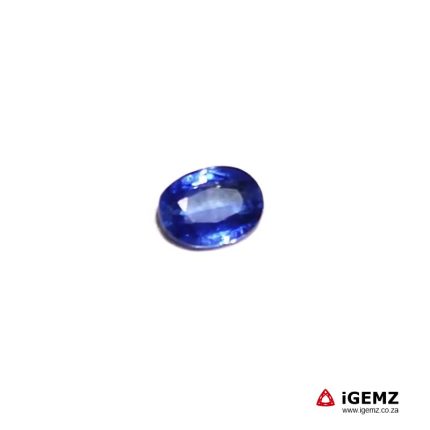
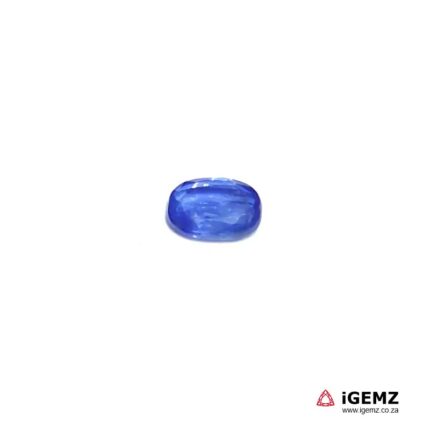
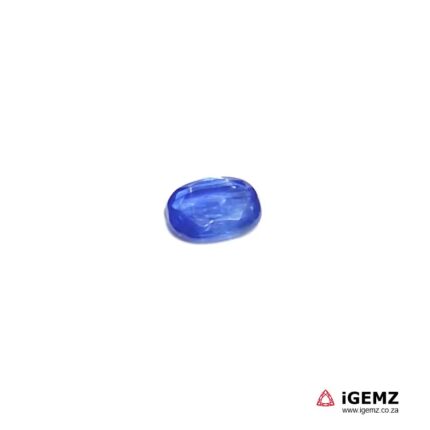
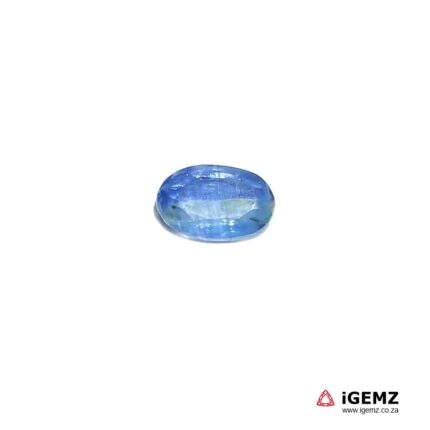
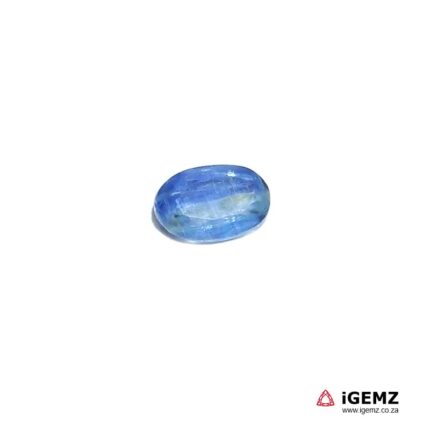
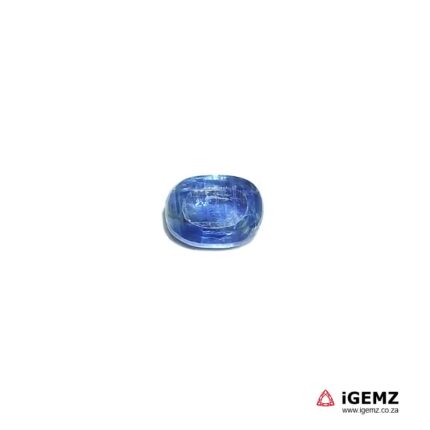
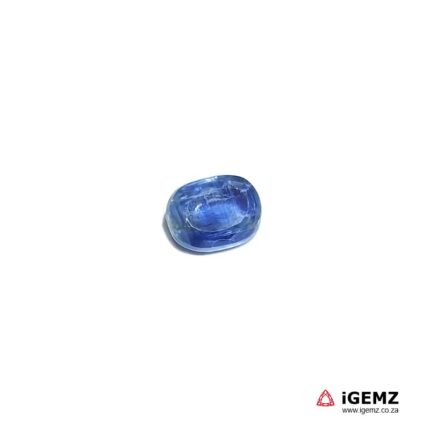
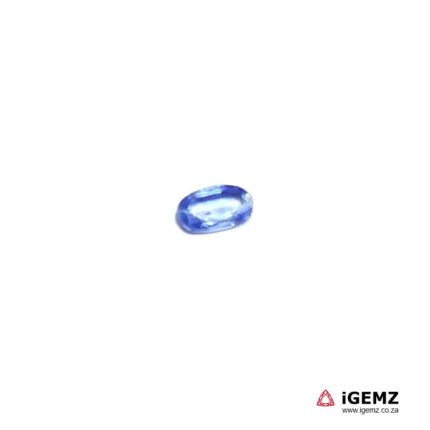
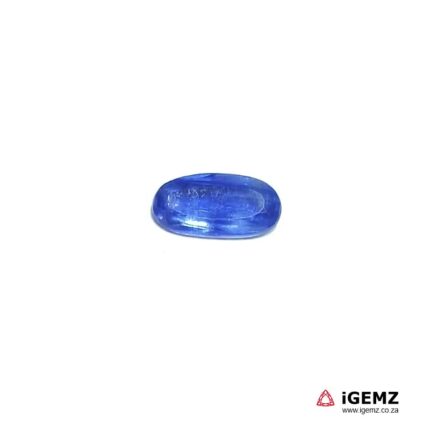
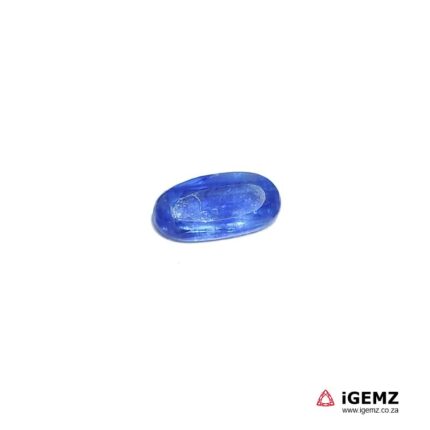
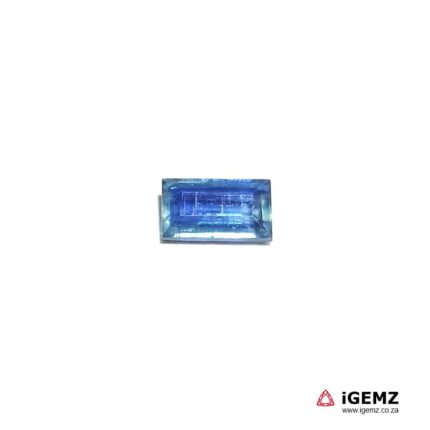
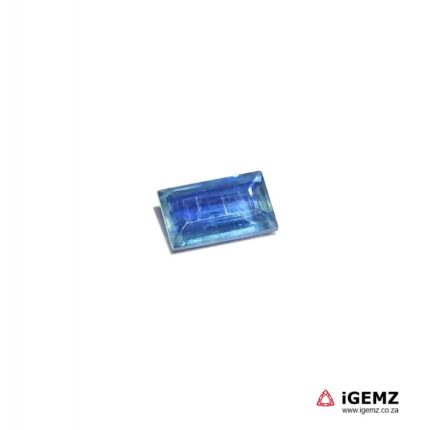
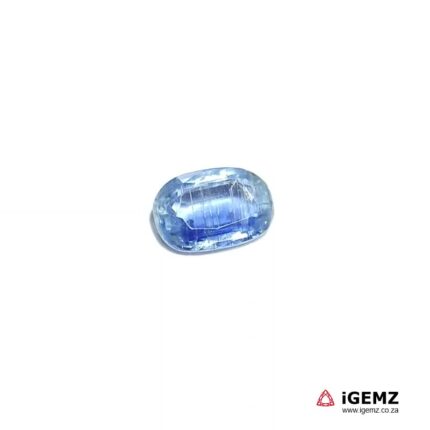
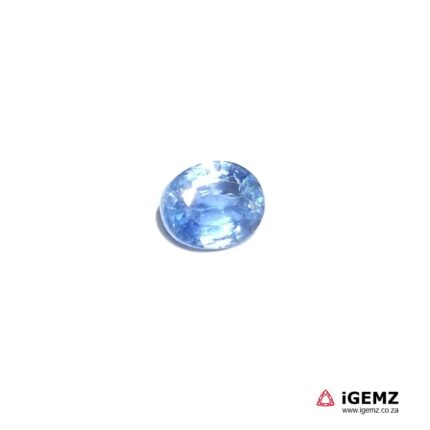
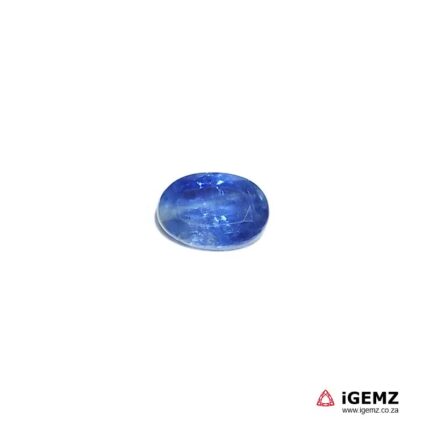
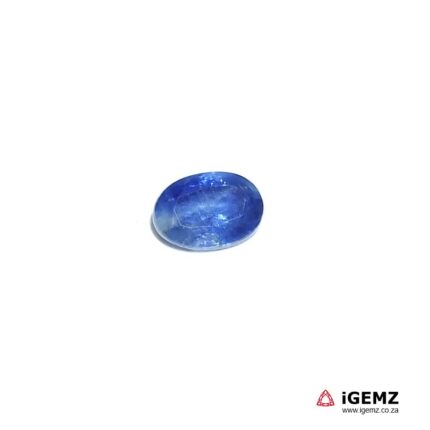
Kyanite is a striking gemstone prized for its vivid blue colours, pleochroism, and naturally bladed crystals. Unlike most gemstones, kyanite displays directional hardness and excellent clarity in gem-quality specimens.
This guide examines kyanite from a professional gemmological and commercial perspective, covering physical properties, crystal system, treatments, origins, and how to identify top-quality stones.
What is Kyanite?
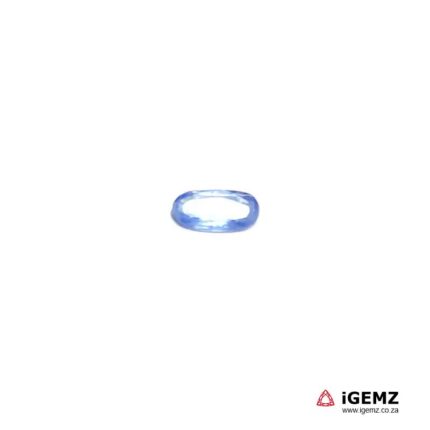
Kyanite is a bladed aluminium silicate mineral (Al₂SiO₅), commonly found in metamorphic rocks. It is best known for its pleochroism, displaying different colours when viewed from different angles — typically blue, green, and grey.
Kyanite forms long, bladed crystals that are highly sought after for cutting into faceted gemstones and cabochons.
Mineral Composition
Kyanite has the chemical formula:
Al₂SiO₅
It is composed primarily of:
Aluminium
Silicon
Oxygen
Trace elements like iron and titanium influence colour, producing blue, green, or bluish-grey hues. High-quality kyanite is transparent and displays excellent brilliance and pleochroism.
Mineral Family and Crystal System

Kyanite belongs to the silicate mineral family, specifically the nesosilicates. Its crystal system is triclinic, forming long bladed or columnar crystals that enhance its optical performance and pleochroic properties.
Optical and Physical Properties
Kyanite combines directional hardness, vivid colour, and strong pleochroism, making it ideal for collectors and occasional jewellery pieces.

Lustre
Vitreous, giving a bright, glass-like shine.

Transparency
Transparent to translucent; gem-quality kyanite is fully transparent.

Refractive index
α: 1.712–1.725, β: 1.717–1.732, γ: 1.730–1.740; strong birefringence causes noticeable pleochroism.

Specific gravity
3.53–3.67, typical of aluminium silicate minerals.
Colour Range
Kyanite occurs primarily in:
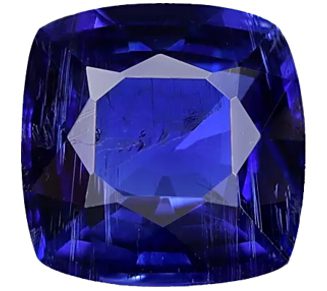
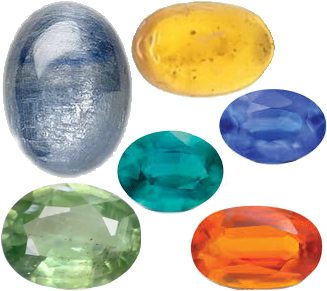
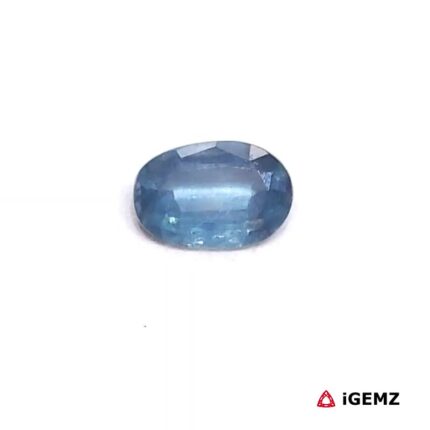
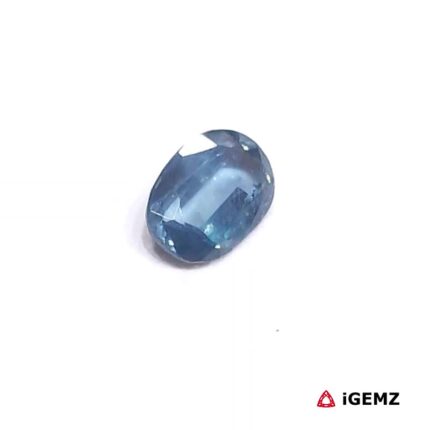
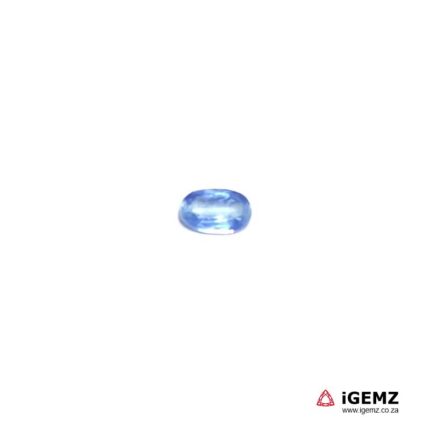
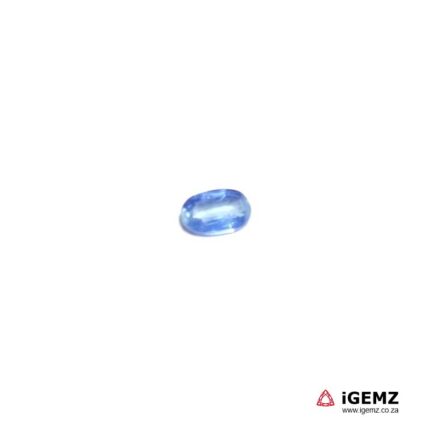
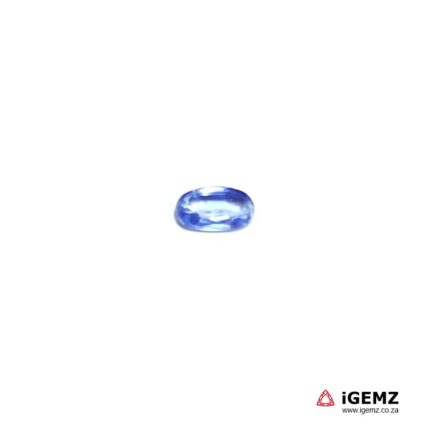
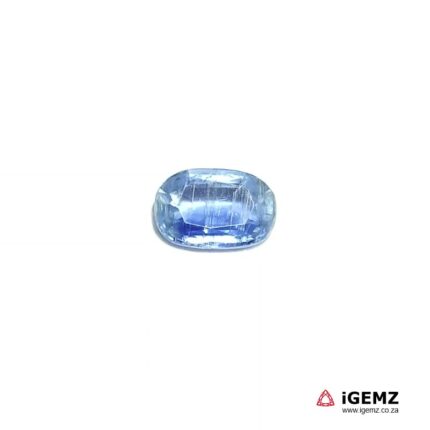
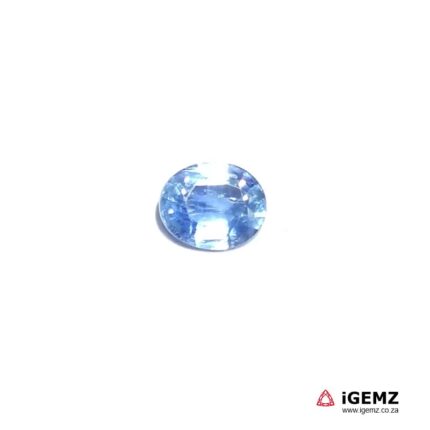
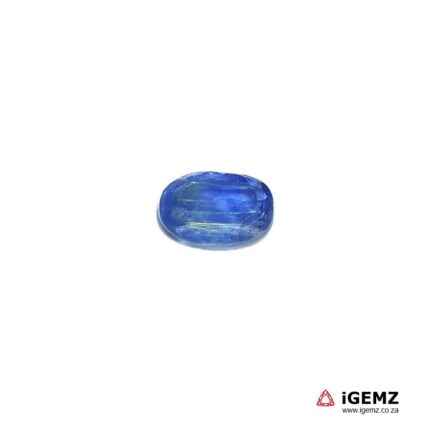
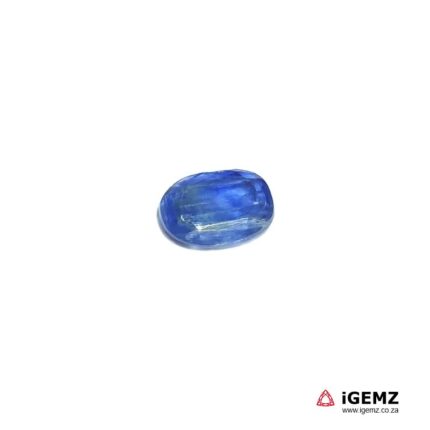
Blue: The most common and popular color, ranging from deep royal blue to pale blue, cyan, and indigo.
Green: Ranging from pale green to deep forest green, and teal (blue-green).
Black: Opaque, often in bladed, radiating, or fan-like structures.
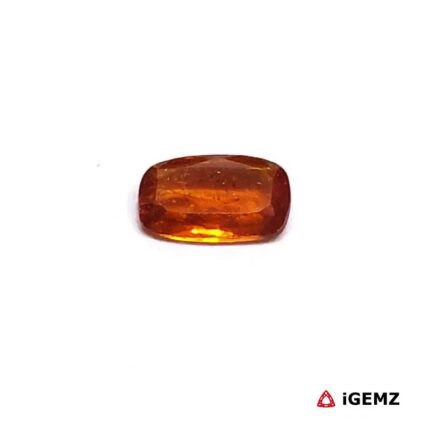
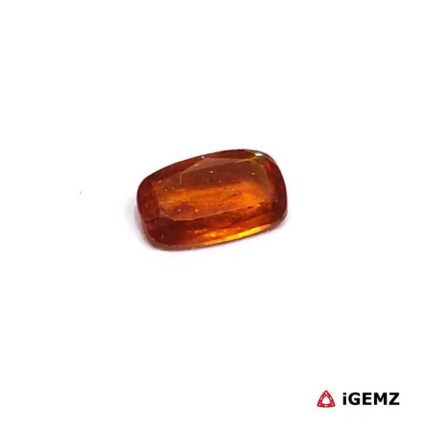
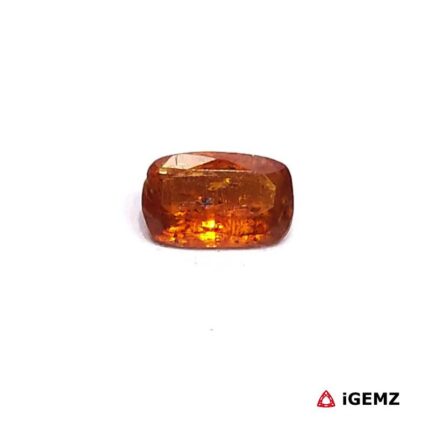
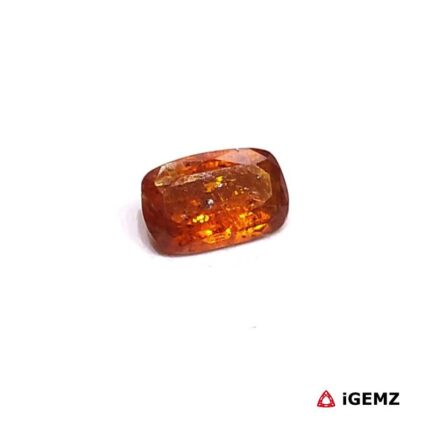
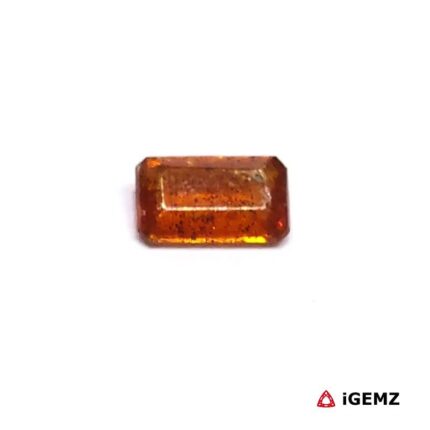
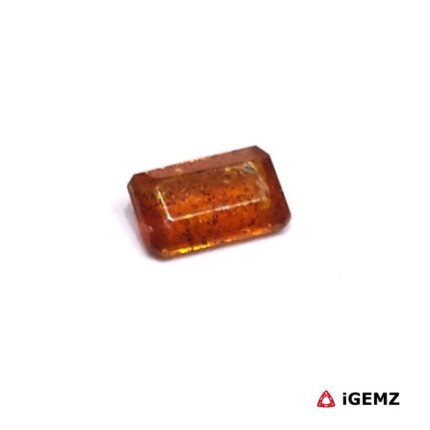
Orange: A rarer, vibrant color, often from Tanzania, caused by manganese.
Colorless/White: Rare, transparent to translucent forms.
Grey: Often seen in bladed or raw, fibrous specimens.
Yellow: A rare variety found in certain locales.
Pink: Very rare in gem-quality.
Brown: Occasionally found.
The finest stones have vivid blue without brown or grey tones.
Mohs Hardness and Durability

Kyanite has directional hardness:
Parallel to length: Mohs 4.5–5
Perpendicular: Mohs 6.5–7
It is brittle and cleaves easily; jewellery must protect the stone from impact.
Treatments

Most kyanite is untreated. Occasionally, heat treatment improves colour uniformity. High-quality stones are entirely natural with no coatings or fillings.
Care and Cleaning
Avoid ultrasonic and steam cleaners.
Do not expose to sudden temperature changes.
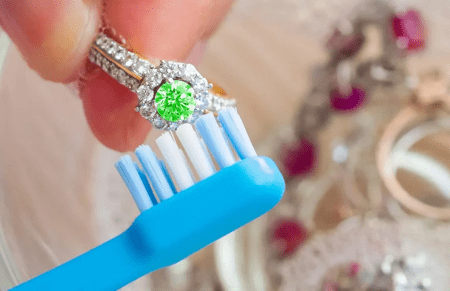
Clean with warm water, mild soap, and a soft brush.
Store kyanite separately from harder stones.
Major Origins
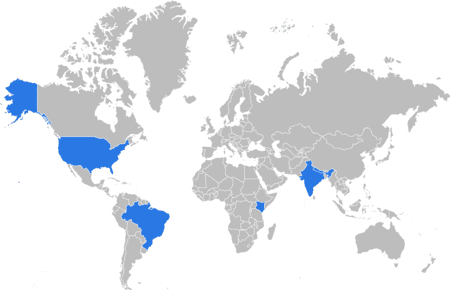
Major sources of kyanite include:
Brazil
Nepal
India
Kenya
United States (Virginia, North Carolina)


Frequently Asked Questions
Is kyanite a natural gemstone?
Yes, <a href=”https://www.igemz.co.za/product-category/natural-gemstones/kyanite/” target=”_blank”>kyanite</a> occurs naturally and is used in jewellery and collected as mineral specimens.
What colours does kyanite come in?
Primarily blue, but also green, grey, colourless, and blends of blue-green.
Is kyanite treated?
Most <a href=”https://www.igemz.co.za/product-category/natural-gemstones/kyanite/” target=”_blank”>kyanite</a> is untreated. Heat treatment is rare and only for colour uniformity.
Is kyanite suitable for daily wear?
Kyanite has directional hardness (4.5–7 Mohs) and is brittle; only wear in protected settings.
What is pleochroism in kyanite?
Pleochroism is when kyanite shows different colours from different viewing angles, a key identifying feature.
How can I identify real kyanite?
Look for long bladed crystals, pleochroism, vitreous lustre, and transparency in fine stones.
Where does the best kyanite come from?
Brazil, Nepal, and India produce the finest kyanite specimens.
Can kyanite be scratched easily?
Yes, kyanite is soft along certain directions and scratches easily from harder stones.
Is kyanite safe to clean with ultrasonic machines?
No, avoid ultrasonic and steam cleaners; use mild soap and water.
Can kyanite be used in rings?
Yes, but only for occasional wear to prevent chipping, suitable for pendants, earrings, and rings with protection.