


 1st - Gold

 January
  February
  March
March  April
April  May
May  June
June  July
July  August
  September
  October
  November
  December
 Capricorn - Garnet
  Aquarius - Amethyst
  Pisces - Aquamarine
  Aries - Diamond
  Taurus - Emerald
  Gemini - Pearl
  Cancer - Ruby
  Leo - Peridot
  Virgo - Blue Sapphire
  Libra - Opal
  Scorpio - Topaz
  Sagittarius - Tanzanite


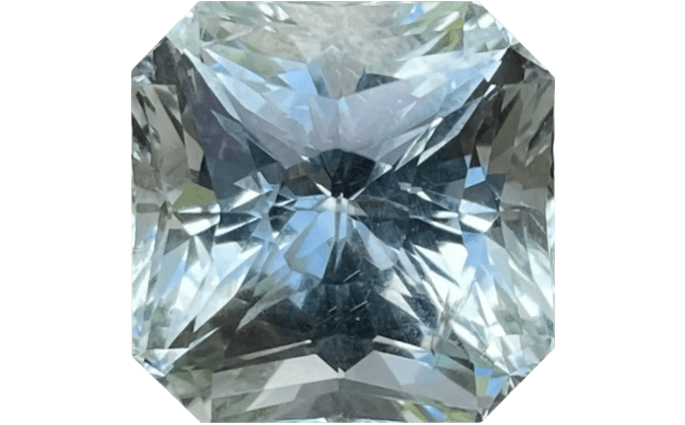
Beryl
Buyer’s Guide
Quality, Composition, Colour & Value Explained
Discover how colour, clarity, treatments and cut influence beryl value, and learn what truly determines quality before choosing your ideal gemstone.
A complete professional Beryl Buyer’s Guide to understanding this gemstone’s quality, origin, treatments and value factors before purchasing.
History, Symbolism & Meaning of Beryl
Origins and Historical Use

Beryl has been prized for millennia, forming the basis for some of the world’s most famous gemstones, including emerald and aquamarine. Ancient civilizations, from the Greeks to Egyptians, valued beryl for its clarity, beauty, and perceived magical properties. Beryl was often fashioned into jewellery, amulets and carved talismans.
The name “beryl” comes from the Greek beryllos, meaning a precious blue-green stone. Historically, it has been associated with protection, healing and prosperity, making it a staple gemstone in both royal and sacred contexts.
Ancient Beliefs and Spiritual Energy

Beryl was believed to enhance courage, reduce stress, and improve mental clarity. Ancient healers and mystics thought beryl could strengthen the mind, balance emotions, and promote insight.
The gemstone is linked to the heart and throat chakras, supporting communication, emotional balance and spiritual growth. It has long been revered as a stone that encourages truthfulness, calmness, and clarity of thought.
Modern Symbolism and Collectibility

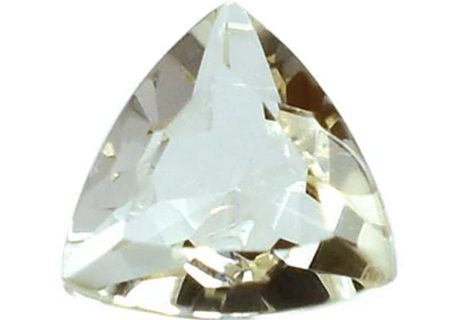
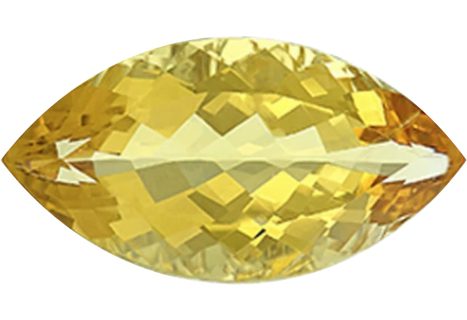
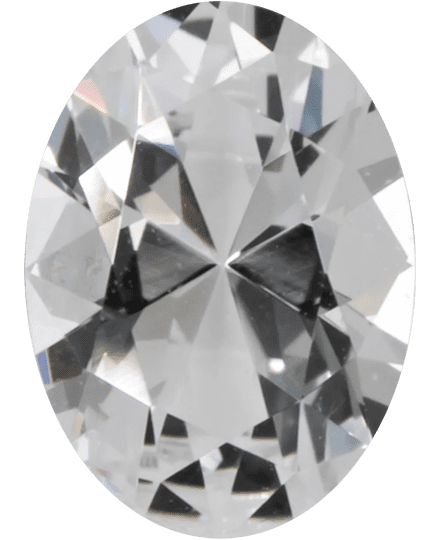
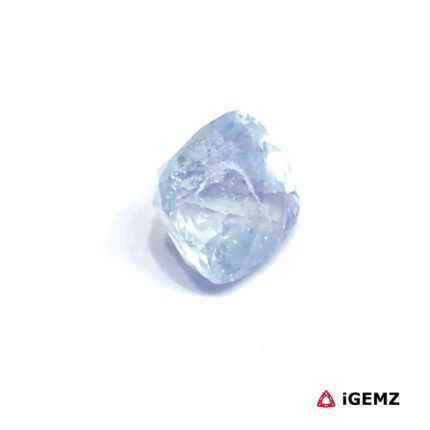
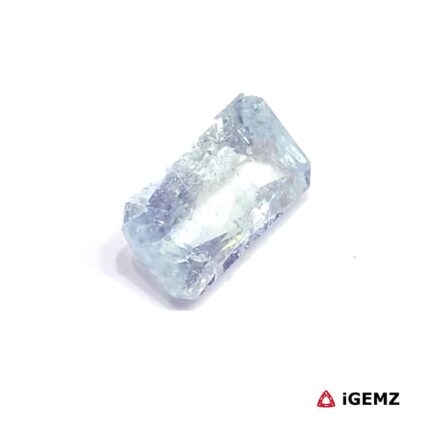
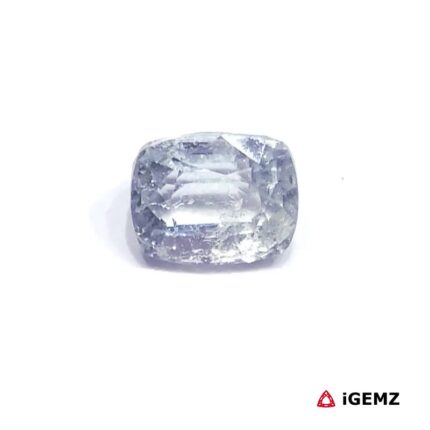
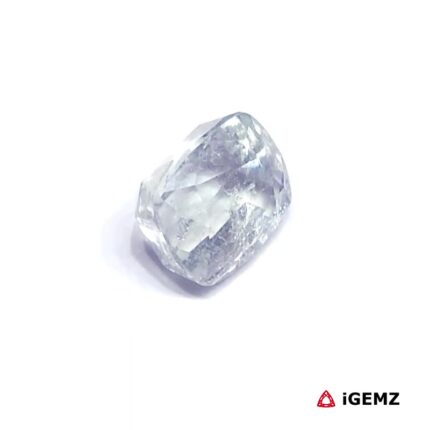
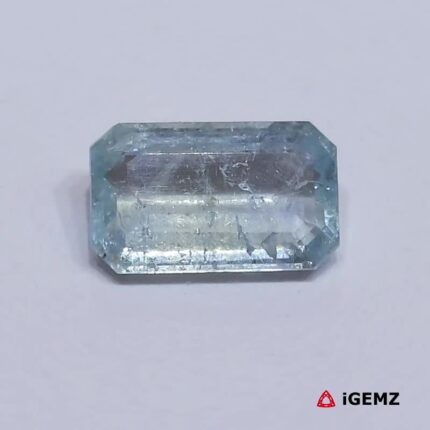
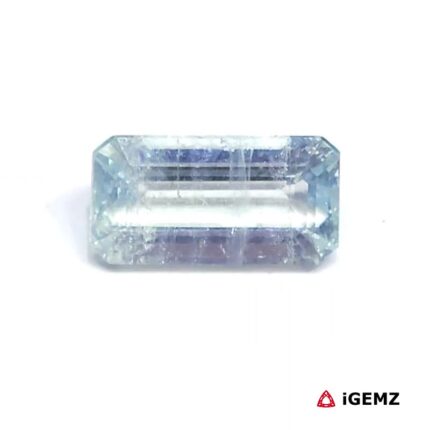
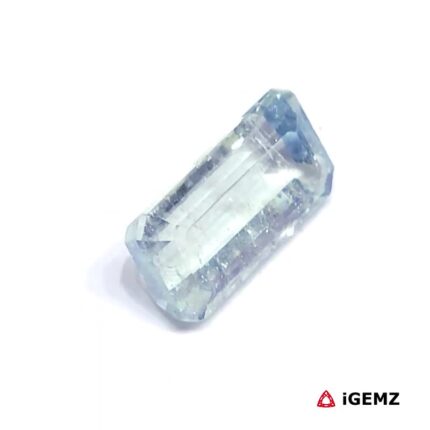
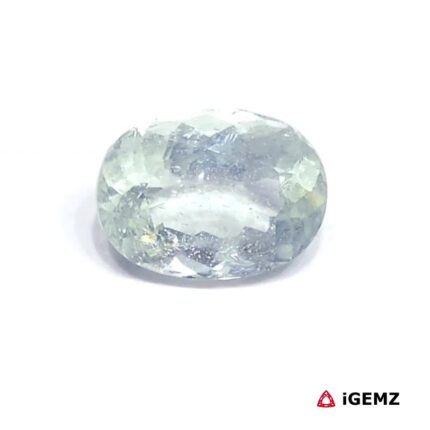
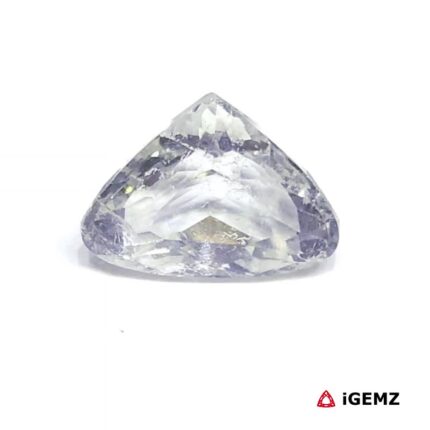
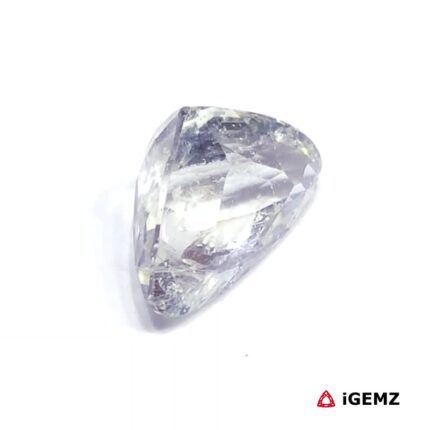
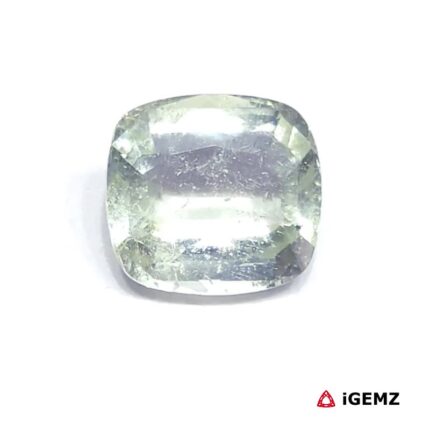
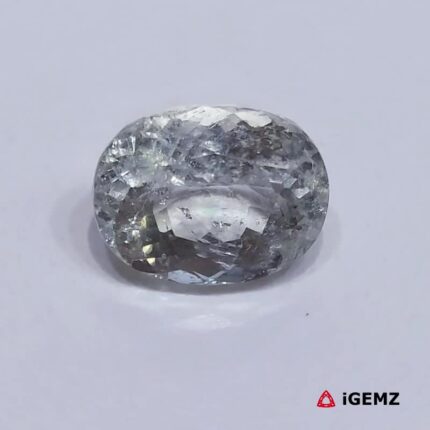
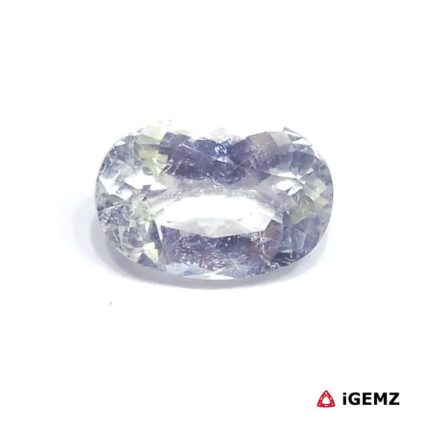
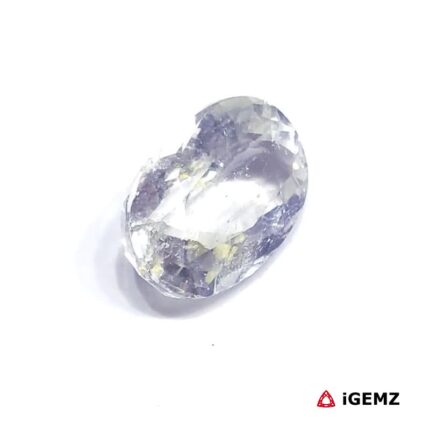
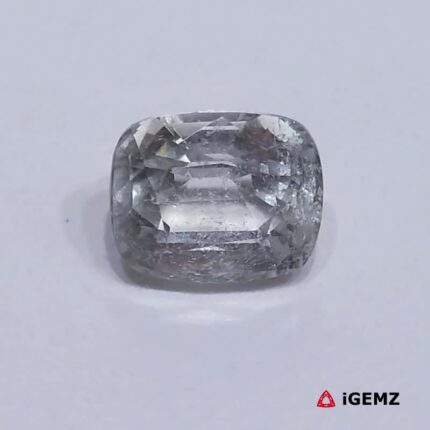
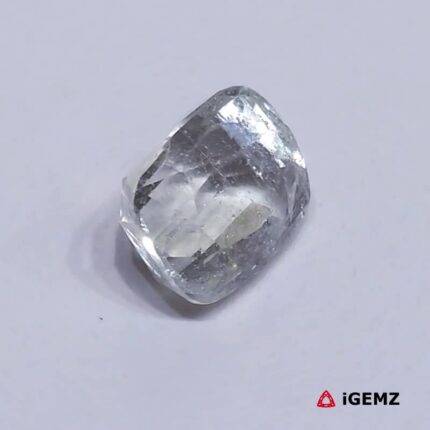
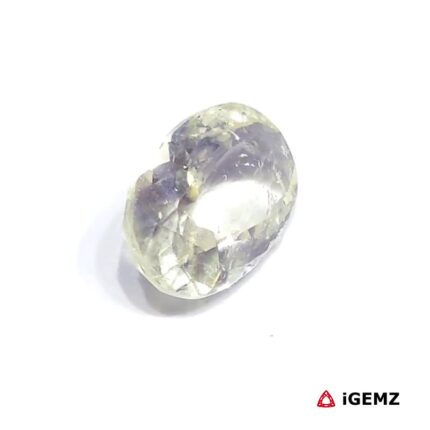
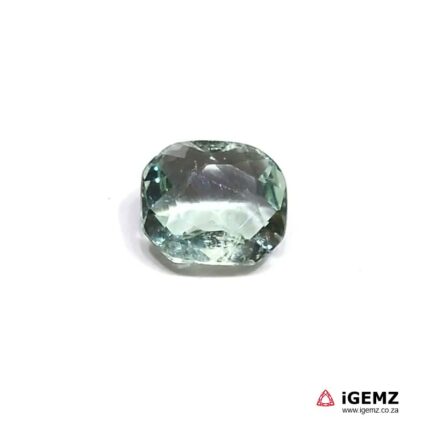
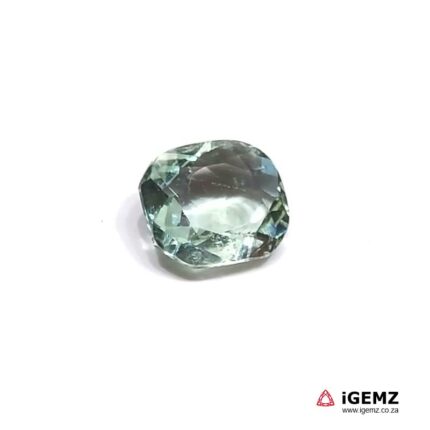
Today, beryl is appreciated both for its variety of colours and its mineral family significance. Collectors value beryl for its versatility — it includes emerald (green), aquamarine (blue), morganite (pink), and heliodor (yellow).
Beryl gemstones are popular among connoisseurs for their transparency, colour range and crystal clarity. Beyond aesthetics, fine beryl stones are considered excellent investments due to their rarity, quality and enduring desirability.
Physical & Optical Properties
EXPLORE BERYL’S HARDNESS, LUSTRE, TRANSPARENCY, REFRACTIVE INDEX AND SPECIFIC GRAVITY.
Understanding the gemological properties of beryl helps determine durability, brilliance and long-term wear suitability.

Colour Range
Beryl occurs in shades of: Blue (aquamarine), Green (emerald), Pink (morganite), Yellow (heliodor), Colourless (goshenite). Colour intensity and uniformity are key value indicators.

Chemical Formula
Beryl has the Be₃Al₂Si₆O₁₈ chemical formula, composed primarily of beryllium, aluminium and silicon. Trace elements (chromium, vanadium, iron, manganese) create its wide colour spectrum.

Composition
Beryllium, Aluminium & Silicon – trace elements determine colour variations across beryl types.

Refractive Index
1.577 – 1.583, offering clarity and brilliance across most beryl varieties.

Lustre
Vitreous, giving a polished, glass-like shine.

Moh's Hardness & Durability
Beryl has a Mohs hardness of 7.5 – 8, making it suitable for rings, pendants, and earrings. Certain types, like emerald, may have inclusions that require protective settings.

Crystal System
Hexagonal, forming elongated six-sided prisms with high transparency and attractive natural facets.

Transparency
Transparent to translucent, with gem-quality stones often exhibiting excellent clarity.

Mineral Family
Beryl belongs to the beryl (cyclosilicate) mineral family.

Specific Gravity
2.63 – 2.80, depending on the type and trace elements present.
Origin, Treatment & Care
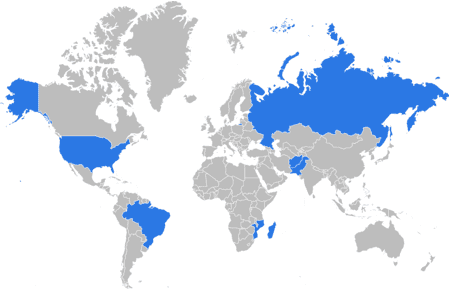
Beryl occurs in various colours and forms, and treatment practices depend on type. Understanding origin, treatments, and care is essential to evaluate value and longevity. Gentle handling and proper cleaning ensure that beryl gemstones maintain their brilliance over time.

Major Origins
Major sources of beryl include Brazil, Madagascar, Nigeria, Zambia, and the United States. Specific beryl varieties have notable origins, e.g., Colombian emeralds, Brazilian aquamarine, and Nigerian morganite.

Treatments
Some beryl varieties undergo treatments to enhance colour or clarity. Heat treatment is common for aquamarine and morganite, while emeralds may receive oiling. Treatments should always be disclosed to buyers.

Care and Cleaning
Avoid harsh chemicals, ultrasonic cleaners, and sudden temperature changes. Use warm water, mild soap, and a soft brush. Store beryl gemstones separately to prevent scratching from harder stones.
How Beryl Quality & Value Are Determined
Value is determined by colour, clarity, cut, and carat weight. Each beryl variety has its own standards, but general principles apply: rich, evenly distributed colour, eye-clean clarity, precise cutting, and balanced size are key.
Colour
Colour is the most important factor for beryl. High-value stones display:
- Strong, even saturation
- True representation of the variety (e.g., blue for aquamarine, green for emerald)
- Minimal secondary hues or zoning
- Brightness and visual appeal
Clarity
Most beryl varieties are expected to have excellent clarity. Exceptions are emeralds, which typically include natural inclusions. High-quality stones show:
- Eye-clean or minor inclusions
- Transparent with strong light transmission
- Minimal surface-reaching fractures
Cut
A well-executed cut enhances sparkle, brilliance and balance. Important considerations include:
- Proper facet alignment
- Symmetry and proportion
- Polished surface
- Depth suitable for maximum brilliance
Carat Weight
Larger beryl gemstones are rarer and more valuable, provided quality is maintained. Large, clear, well-cut stones of vivid colour are particularly prized.
The Balance of the Four Factors
True value is achieved when colour, clarity, cut, and carat weight align. Premium beryl gemstones exhibit:
- Eye-clean clarity
- Precise, symmetrical cutting
- Rich, evenly distributed colour
- Proportional size with strong brilliance
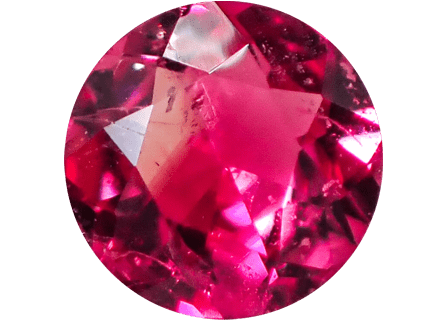
International Pricing Trends – per carat
Beryl prices vary by variety and quality. Emerald remains the most expensive, while aquamarine, morganite, heliodor, and goshenite are generally more affordable. Fine specimens command premium pricing globally.
Estimated Average International Beryl Prices (Good Quality) – Per Carat
| Weight | ZAR | USD | EUR | JPY | GBP | AUD | CAD | CHF | CNY | HKD | NZD | Market Signal |
|---|---|---|---|---|---|---|---|---|---|---|---|---|
| Under 1 carat | Smaller beryl gemstones | |||||||||||
| 1 - 2 carats | Medium size gemstones | |||||||||||
| 2 - 3 carats | Larger - increasingly rare | |||||||||||
| 3 - 4 carats | Command premium prices | |||||||||||
| 4 - 6 carats | Rarity drive high prices | |||||||||||
| 6 - 8 carats | Rare large gemstones |
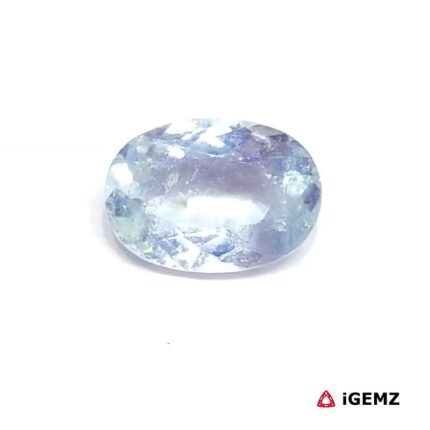
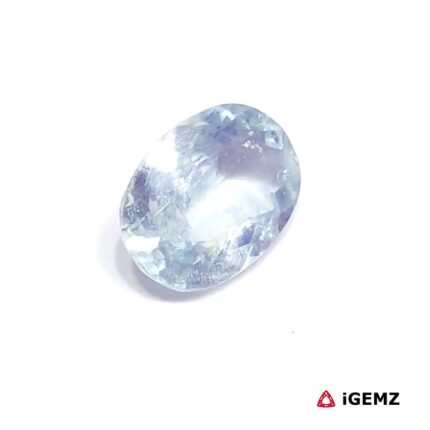











Frequently Asked Questions
What is beryl?
Beryl is a mineral family that includes gemstones such as emerald, aquamarine, morganite, heliodor, and goshenite.
Which beryl varieties are the most valuable?
Emeralds are generally the most valuable, followed by certain fine aquamarines and morganites. Colour, clarity and size determine the price.
Are beryl gemstones treated?
Some beryl varieties undergo treatments, such as heat for aquamarine and morganite, or oiling for emeralds, to enhance colour and clarity.
How should beryl jewellery be cared for?
Avoid harsh chemicals, ultrasonic cleaning, and physical impact. Clean gently with mild soap, warm water, and a soft brush.
Can beryl be worn daily?
Yes, most beryl gemstones have good hardness (7.5–8) but protective settings are recommended for types with inclusions, like emerald.
What factors influence beryl value?
The four main factors are colour, clarity, cut, and carat weight. Colour and clarity are usually the most significant determinants.

Buy With Confidence
Professionally inspected gemstones
Full transparency on treatments
Worldwide shipping
Secure checkout
Ready to own the beauty of
BERYL?
Now that you understand the history, symbolism and quality factors behind beryl, you can select the gemstone that best suits your collection. From emerald to aquamarine, beryl offers a range of colours, clarity and brilliance, ideal for rings, pendants and bespoke jewellery. Combining versatility, elegance, and enduring value, beryl remains a gemstone family treasured by collectors and enthusiasts alike.
Versatile Beauty
Rich Heritage
Crystal Clarity
COMPARE GEMSTONES WITH CONFIDENCE
Gemstone Comparison Guides
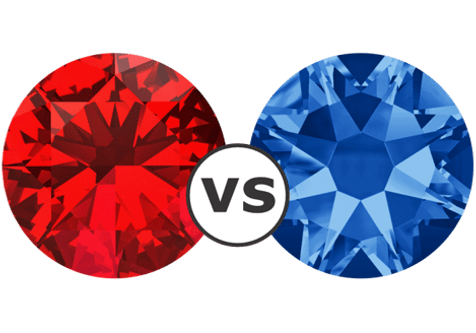
Choosing between two beautiful gemstones can be challenging. Our professional Gemstone Comparison Guides help you clearly understand the differences between popular gemstones so you can make a confident and informed choice.
Each comparison explores the key factors that influence gemstone quality and value, including colour, clarity, durability, rarity and typical treatments. You will also learn how similar-looking gemstones differ in appearance, composition, hardness and more.

HERE IS ALL THE PROFESSIONAL INFORMATION YOU NEED
Gemstone Buyer's Guides
Buying a gemstone should be exciting — but understanding quality, rarity and value is essential before making the right choice. Our professional Gemstone Buyer’s Guides help you understand how colour, clarity, cut and treatments influence the beauty and value of different gemstones.
Each guide explains the key quality factors used by gemologists, including gemstone composition, colour grading, natural inclusions, treatments and origin. You will also learn how these factors affect rarity, durability and market value.
Beryl Family
Feldspar Gemstones
Pyroxene Gemstones
Spodumene Family
Chalcedony & Agate
Quartz Gemstones
Amethyst
Ametrine
Citrine
Prasiolite
Quartz
Rose Quartz
Rutile Quartz
Smoky Quartz
Rare & Collector Gemstones
Apatite
Chrysoberyl
Clinozoisite
Fluorite
Grandidierite
Iolite
Jade
Kyanite
Lapis Lazuli
Phosphosiderite
Prehnite
Serendibite
Sillimanite
Sphene
Sugilite
Vesuvianite