


 1st - Gold

 January
  February
  March
March  April
April  May
May  June
June  July
July  August
  September
  October
  November
  December
 Capricorn - Garnet
  Aquarius - Amethyst
  Pisces - Aquamarine
  Aries - Diamond
  Taurus - Emerald
  Gemini - Pearl
  Cancer - Ruby
  Leo - Peridot
  Virgo - Blue Sapphire
  Libra - Opal
  Scorpio - Topaz
  Sagittarius - Tanzanite


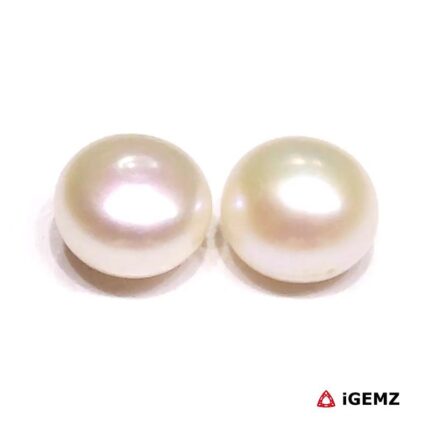
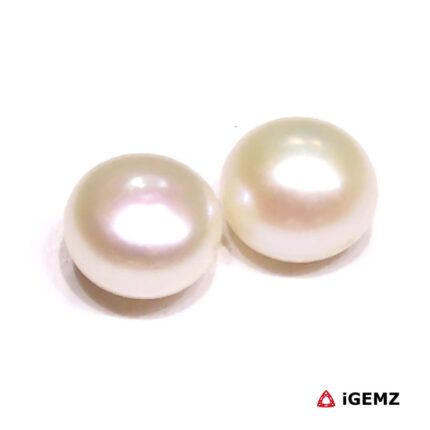
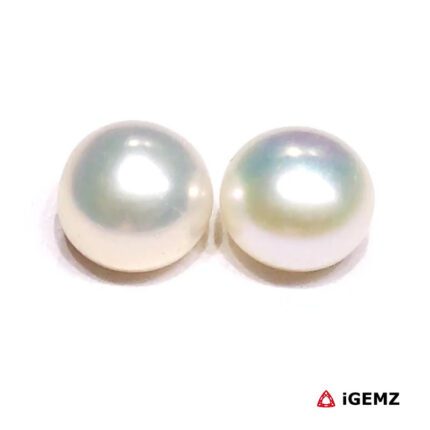
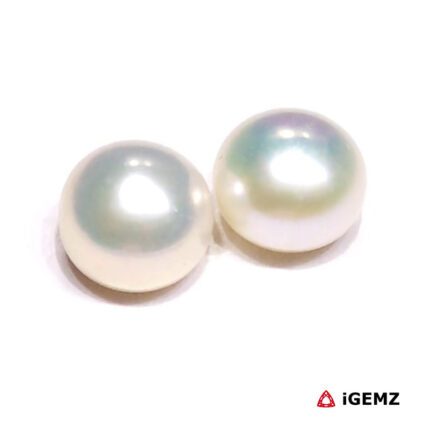
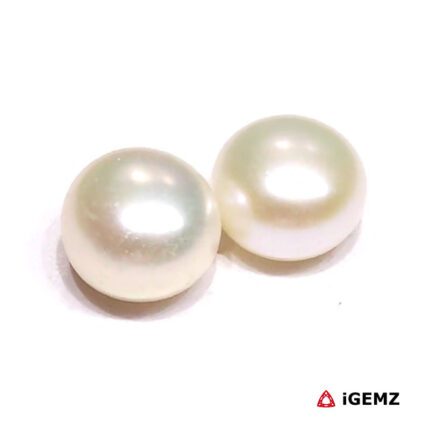
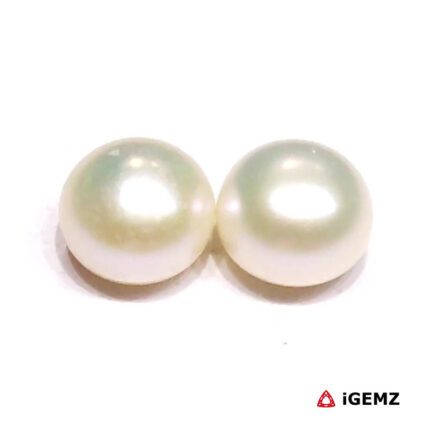
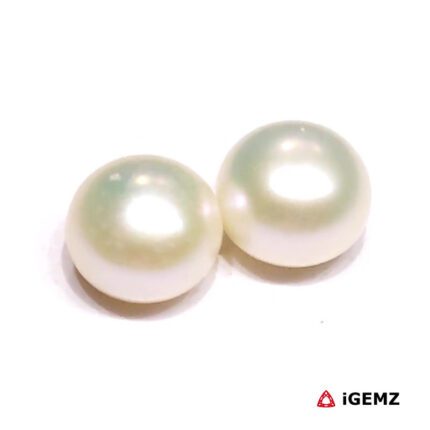
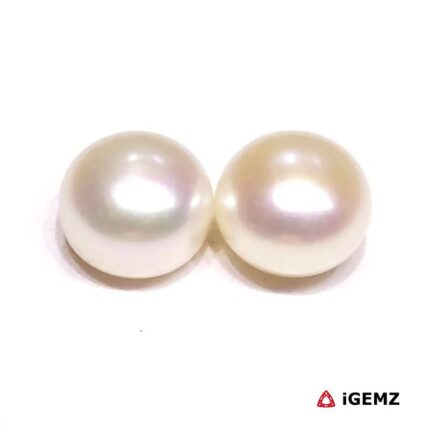
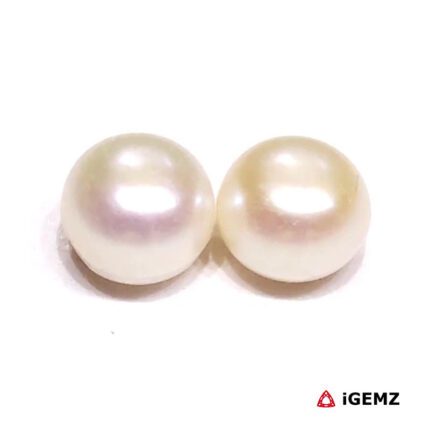
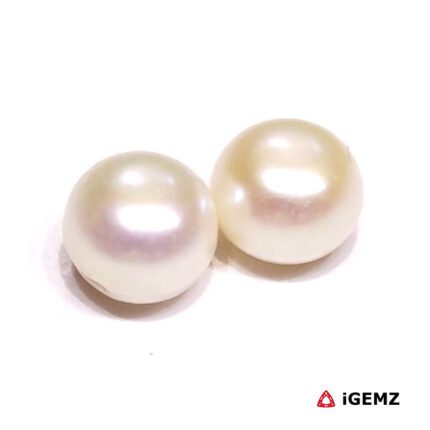
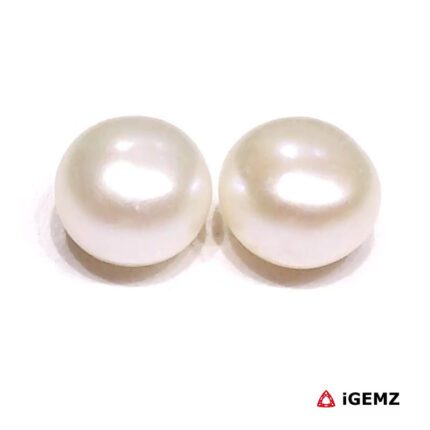
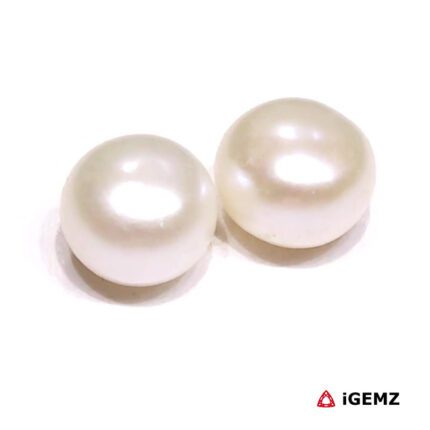
Pearl
Buyer’s Guide
Quality, Composition, Colour & Value Explained
Discover how colour, lustre, surface quality and size influence pearl value, and learn what truly determines quality before choosing your ideal gemstone.
A complete professional Pearl Buyer’s Guide to understanding this gemstone’s quality, origin, types, and value factors before purchasing.
History, Symbolism & Meaning of Pearls
Origins and Historical Use

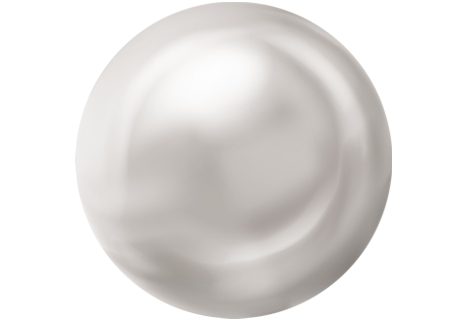
Pearls have been admired for thousands of years, cherished by ancient civilisations including the Egyptians, Chinese, Romans, and Indians. They symbolised wealth, purity and status, often reserved for royalty and nobility.
The name pearl derives from the Latin perna, meaning leg (after the shape of early Mediterranean molluscs). Pearls were among the first gemstones used in adornment, treasured for their natural beauty and iridescent glow.

Ancient Beliefs and Spiritual Energy

Historically, pearls were associated with purity, wisdom, and serenity. Many cultures believed pearls could bring protection, enhance personal integrity, and attract good fortune.
In spiritual traditions, pearls are linked to the crown chakra, promoting calmness, balance, and emotional harmony. They were often used as talismans or offerings, symbolising truth, loyalty, and inner peace.
Modern Symbolism and Collectibility

Physical & Optical Properties
Explore Pearl’s Hardness, Lustre, Transparency, Refractive Index and Specific Gravity.
Understanding the gemological properties of pearls helps determine durability, brilliance, and suitability for jewellery.

Colour Range
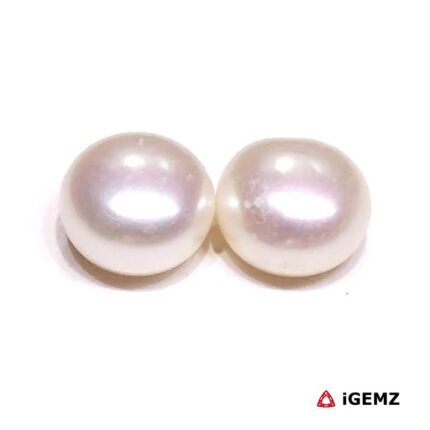
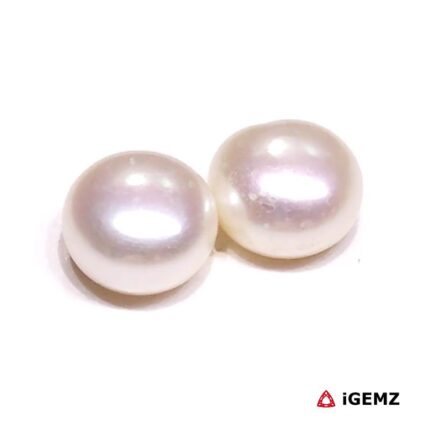
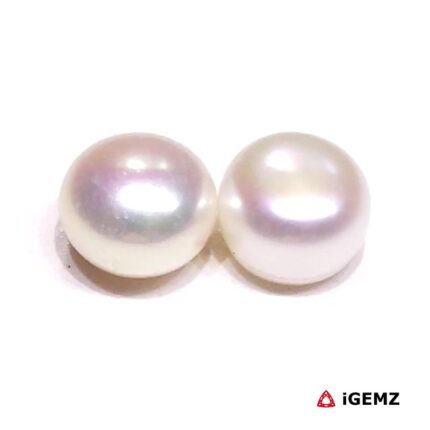
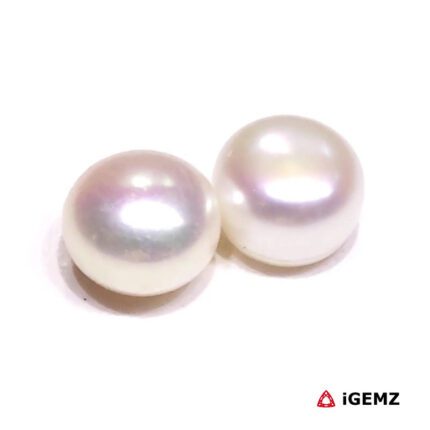
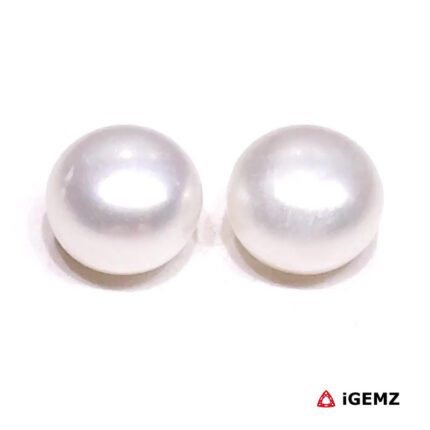
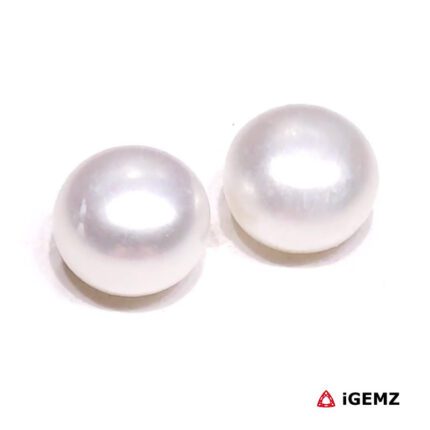
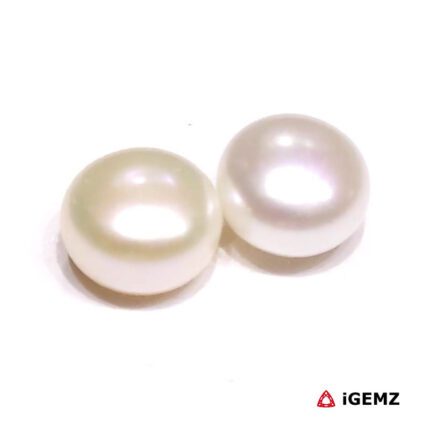
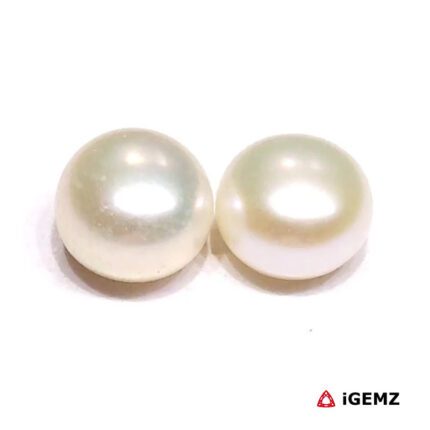
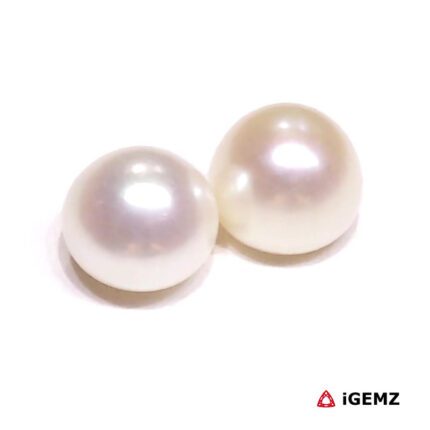
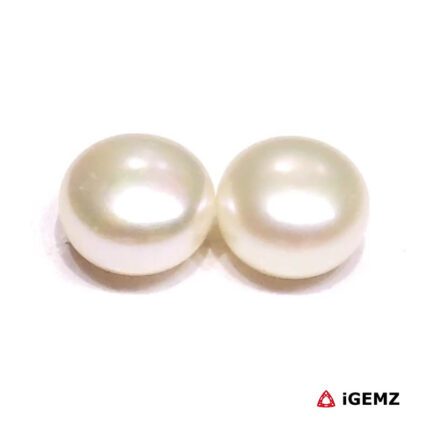
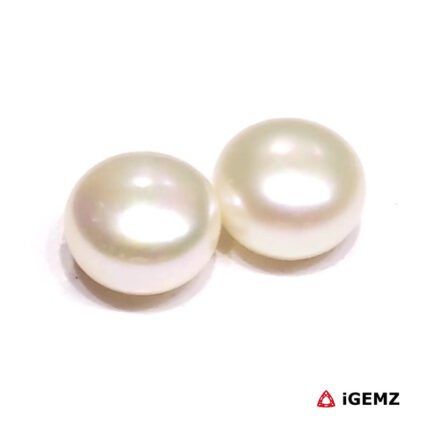
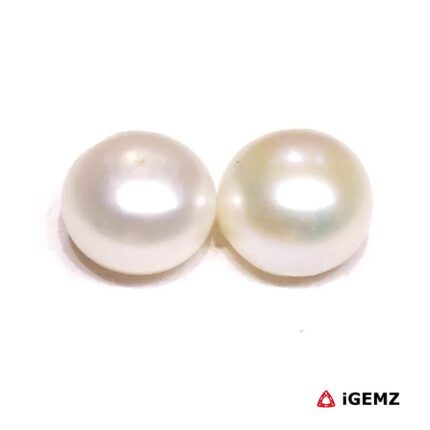
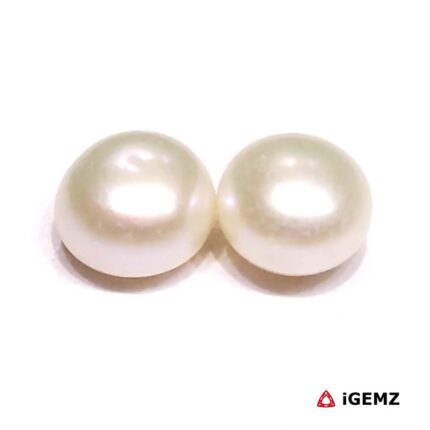
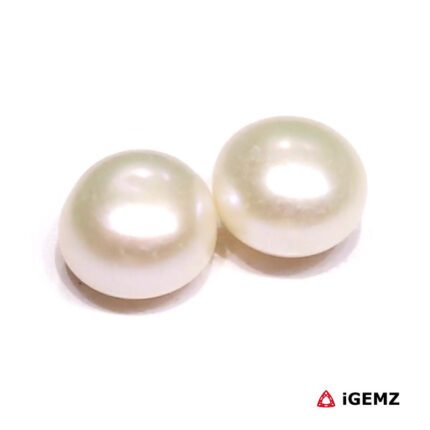
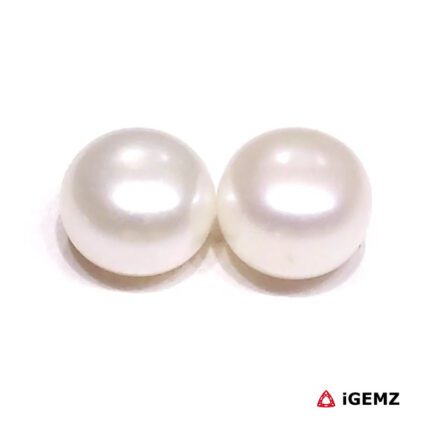
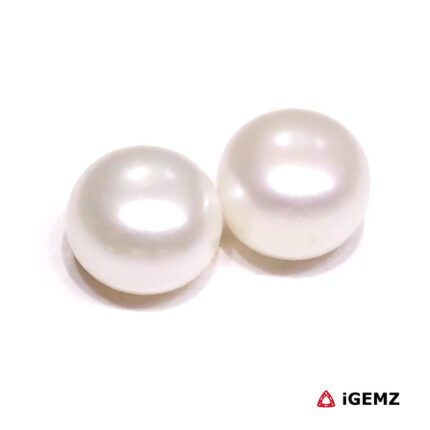
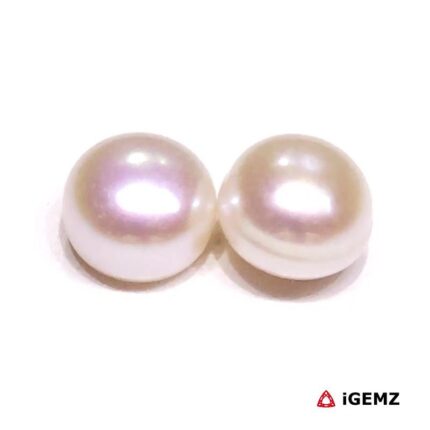
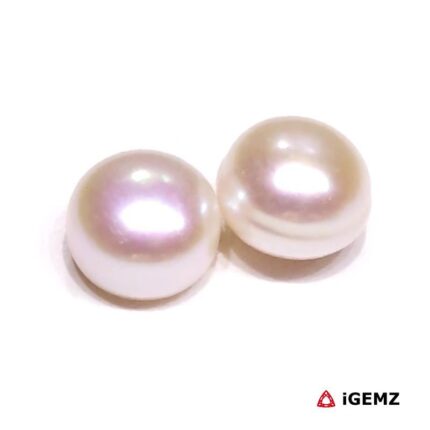
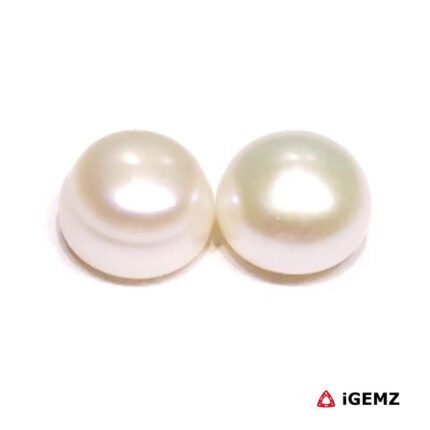
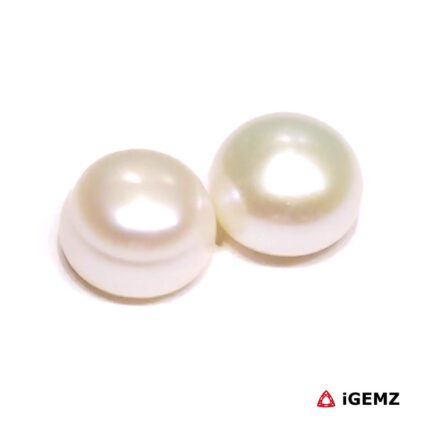
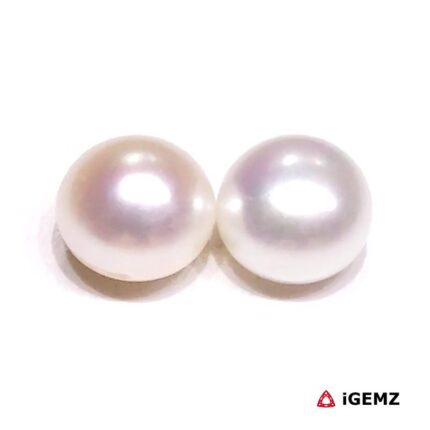
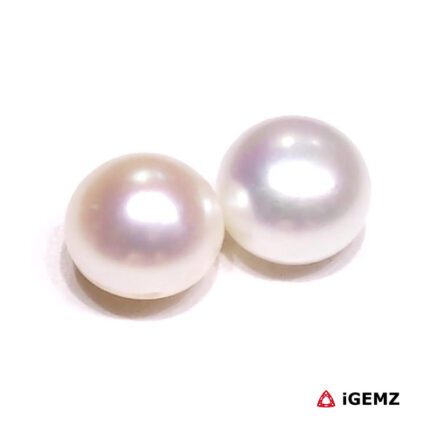
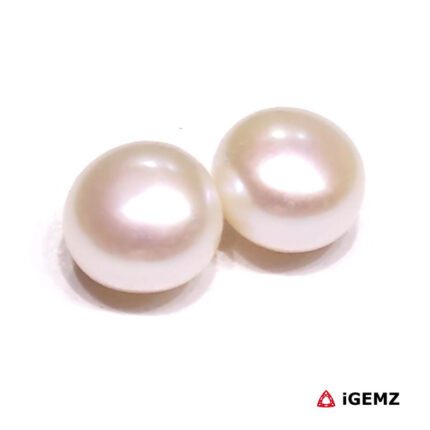
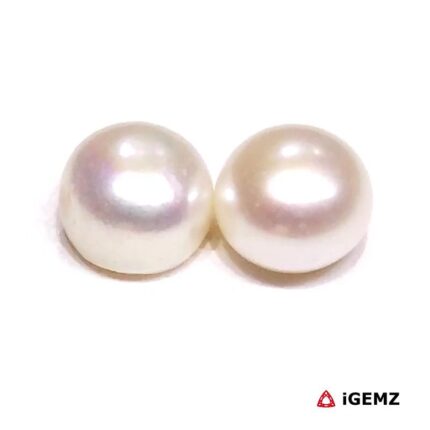
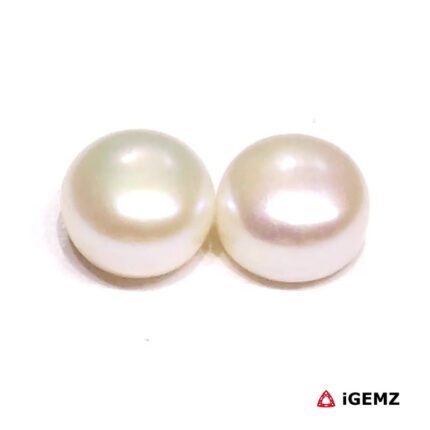
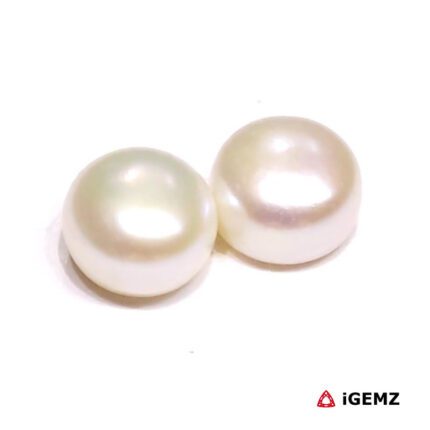
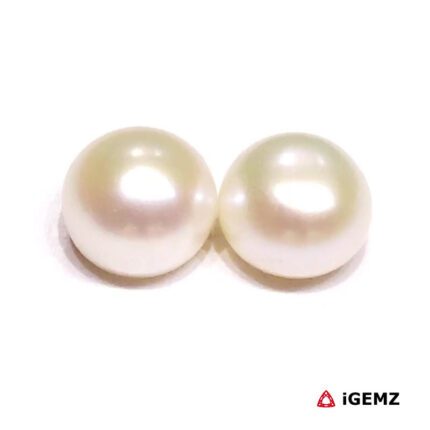
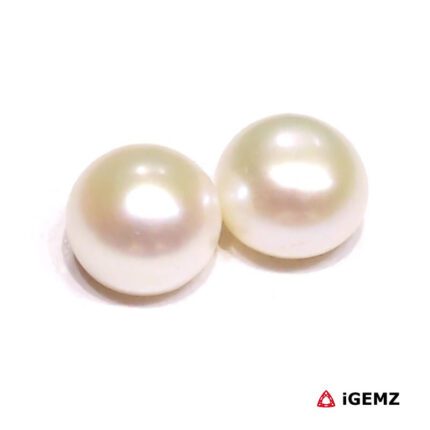
Pearls occur in shades of: White, Cream, Pink, Silver, Gold, Black, and Peacock hues. The most desirable stones display even colour and strong overtone with minimal blemishes.

Chemical Formula
Pearls are composed primarily of calcium carbonate (CaCO₃) in the aragonite form, combined with conchiolin and water.

Composition
Calcium carbonate, conchiolin, and trace organic compounds contribute to colour, lustre and durability.

Refractive Index
1.53 – 1.69 depending on nacre composition.

Lustre
High-quality pearls exhibit sharp, mirror-like reflection and a soft inner glow, a key factor in value.


Moh's Hardness & Durability
Pearls are relatively soft, rated 2.5–4.5 on Mohs scale. They require gentle care and are best protected from knocks, acids, and abrasive materials.

Crystal System
The calcium carbonate crystals within nacre form in the **orthorhombic crystal system**, arranged in extremely thin microscopic layers that create the gemstone’s unique lustre.

Transparency
Pearls are generally opaque to semi-translucent, with surface lustre contributing to perceived depth and beauty.

Mineral Family
Pearls are organic gemstones formed within molluscs, rather than mineral crystals.

Specific Gravity
2.60 – 2.85, depending on nacre thickness and pearl type.
Origin, Treatment & Care

Pearls can be natural or cultured, sourced from saltwater or freshwater molluscs. Understanding origin, type and treatment is essential for assessing quality and value. With proper care, pearls can retain their beauty for generations.

Major Origins
Saltwater pearls: Japan, Tahiti, Australia, Indonesia, Philippines
Freshwater pearls: China, Japan, USA, Europe
Tahitian black pearls: French Polynesia
South Sea pearls (white and golden): Australia, Indonesia, Philippines

Treatments
Pearls may undergo bleaching, dyeing, or polishing to enhance colour and surface appearance. Treatments are widely accepted if disclosed. Untreated, high-quality pearls remain the most prized.

Care and Cleaning
Avoid exposure to harsh chemicals, perfumes, and direct sunlight. Clean pearls with a soft, damp cloth after wearing. Store separately to prevent scratching from harder gemstones.
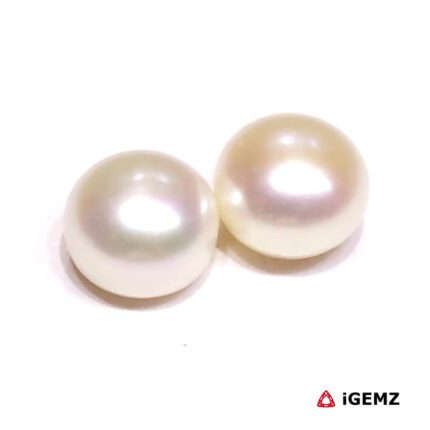
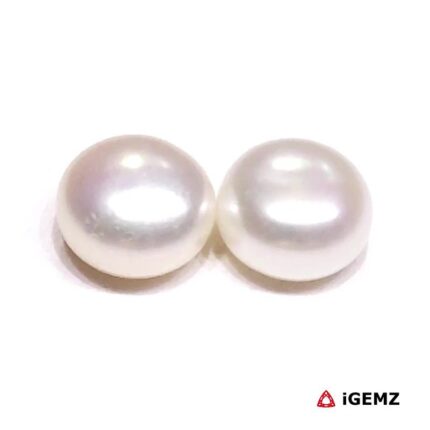
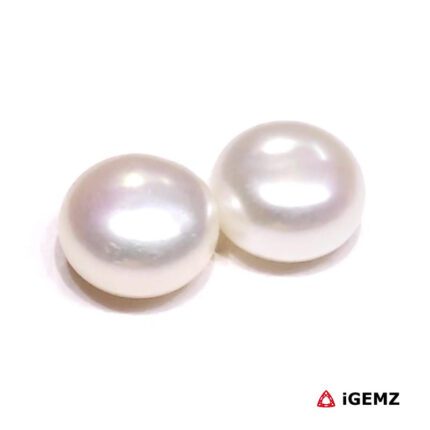
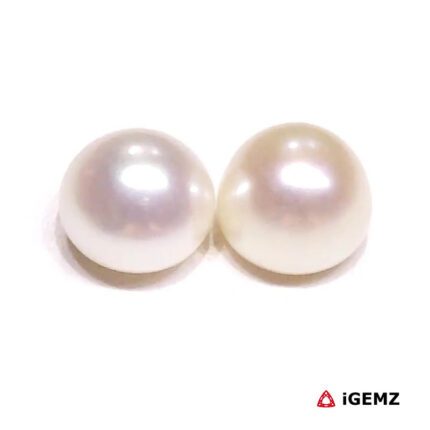
Pearl value is determined primarily by lustre, surface quality, shape, size and colour. When these elements combine, the result is a gemstone of elegance and lasting appeal.
Lustre
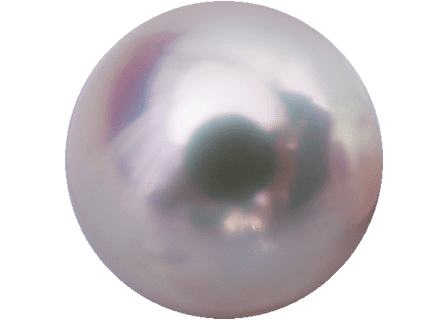
Lustre is the most critical value factor. Top-quality pearls exhibit sharp, mirror-like reflections and a deep inner glow.
Surface Quality
Smooth, blemish-free surfaces are highly prized. Minor imperfections are common in natural and cultured pearls, but excessive blemishes lower value.
Shape
Round pearls are the rarest and most valuable. Symmetry and uniformity significantly impact price.
Size
Larger pearls are rarer and command higher prices, provided other quality factors remain high.
Colour
Colour includes body tone and overtone. Even colour with attractive overtone enhances desirability.
The Balance of the Four Factors
A premium pearl should display:
- High lustre with mirror-like reflections
- Smooth, clean surface with minimal blemishes
- Symmetrical, desirable shape
- Attractive body colour and overtone
- Appropriate size relative to type
International Pricing Trends – per pearl
Pearl pricing varies by type, origin and quality. Saltwater and South Sea pearls are generally more valuable than freshwater pearls. Fine-quality pearls of large size and perfect round shape command the highest prices.
Estimated Average International Pearl Prices (Good Quality) – Per Pearl
| Weight | ZAR | USD | EUR | JPY | GBP | AUD | CAD | CHF | CNY | HKD | NZD | Market Signal |
|---|---|---|---|---|---|---|---|---|---|---|---|---|
| Under 1 carat | Size is widely available | |||||||||||
| 1 - 2 carat | Increasingly popular | |||||||||||
| 2 - 3 carats | Strong demand | |||||||||||
| 3 - 4 carats | Remain desirable | |||||||||||
| 4 - 6 carats | Scarcer in larger sizes | |||||||||||
| 6 - 8 carats | Exceptional stones |




Frequently Asked Questions
Are pearls real gemstones?
Yes. Pearls are organic gemstones formed within molluscs. They are valued for their lustre, colour and rarity.
Difference between natural and cultured pearls?
Natural pearls form spontaneously in wild molluscs, while cultured pearls are farmed with human intervention. Cultured pearls dominate the market today.
How should I care for pearls?
Wipe gently after wearing, avoid chemicals and store separately to prevent scratching. Do not use ultrasonic cleaners.
Why are pearls valuable?
Pearl value is based on lustre, surface quality, shape, size and colour. Larger, perfectly round pearls with high lustre are the most prized.
Can pearls be worn daily?
Yes, but they are soft and should be protected from knocks, chemicals, and abrasive surfaces.
Which pearl types are most expensive?
South Sea and Tahitian pearls are the most valuable due to size, lustre and rarity. Fine Akoya pearls also command high prices.

Buy With Confidence
Professionally inspected gemstones
Full transparency on treatments
Worldwide shipping
Secure checkout
Ready to own the beauty of
PEARLS?
With their timeless elegance and lustrous glow, pearls offer understated sophistication and enduring charm. Admired for centuries, pearls are perfect for necklaces, earrings, rings and bespoke jewellery. Combining classic beauty, gentle durability, and exceptional value, pearls are an exquisite addition to any fine gemstone collection.
Classic Elegance
Timeless Beauty
Subtle Sophistication
COMPARE GEMSTONES WITH CONFIDENCE
Gemstone Comparison Guides
Choosing between two beautiful gemstones can be challenging. Our professional Gemstone Comparison Guides help you clearly understand the differences between popular gemstones so you can make a confident and informed choice.
Each comparison explores the key factors that influence gemstone quality and value, including colour, clarity, durability, rarity and typical treatments. You will also learn how similar-looking gemstones differ in appearance, composition, hardness and more.

HERE IS ALL THE PROFESSIONAL INFORMATION YOU NEED
Gemstone Buyer's Guides
Buying a gemstone should be exciting — but understanding quality, rarity and value is essential before making the right choice. Our professional Gemstone Buyer’s Guides help you understand how colour, clarity, cut and treatments influence the beauty and value of different gemstones.
Each guide explains the key quality factors used by gemologists, including gemstone composition, colour grading, natural inclusions, treatments and origin. You will also learn how these factors affect rarity, durability and market value.
Beryl Family
Feldspar Gemstones
Pyroxene Gemstones
Spodumene Family
Chalcedony & Agate
Quartz Gemstones
Amethyst
Ametrine
Citrine
Prasiolite
Quartz
Rose Quartz
Rutile Quartz
Smoky Quartz
Rare & Collector Gemstones
Apatite
Chrysoberyl
Clinozoisite
Fluorite
Grandidierite
Iolite
Jade
Kyanite
Lapis Lazuli
Phosphosiderite
Prehnite
Serendibite
Sillimanite
Sphene
Sugilite
Vesuvianite