


 1st - Gold

 January
  February
  March
March  April
April  May
May  June
June  July
July  August
  September
  October
  November
  December
 Capricorn - Garnet
  Aquarius - Amethyst
  Pisces - Aquamarine
  Aries - Diamond
  Taurus - Emerald
  Gemini - Pearl
  Cancer - Ruby
  Leo - Peridot
  Virgo - Blue Sapphire
  Libra - Opal
  Scorpio - Topaz
  Sagittarius - Tanzanite


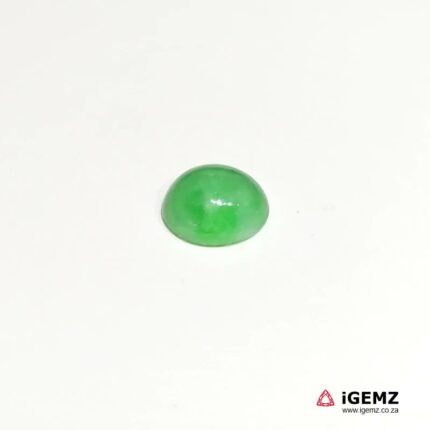
Peridot vs Jade
Which Green Gemstone Should You Select?
When it comes to green gemstones, Peridot and Jade are two of the most popular options. Both boast vibrant green hues, but their composition, hardness, value, and care requirements differ significantly.
This comprehensive Peridot vs Jade comparison guide will help you understand the key differences and decide which gemstone is right for your jewellery collection.
Peridot vs Jade: Quick Comparison
| Feature | Peridot | Jade |
|---|---|---|
| Mineral Family | Olivine | Nephrite or Jadeite (Silicate) |
| Hardness | 6.5 – 7 | 6 – 7 – Durable but softer |
| Value | Moderate; bright green stones prized | Moderate to high; high-quality jade is valuable |
| Best For | Daily jewellery, fashion rings, pendants | Heirloom pieces, carvings, investment jewellery |
| Professional Guides | Peridot Buyer’s Guide | Jade Buyer’s Guide |
Peridot Features, Colour & Durability Explained
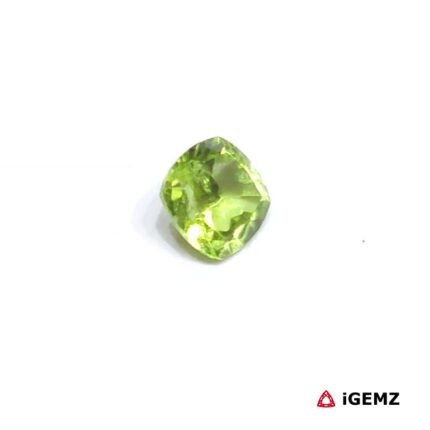
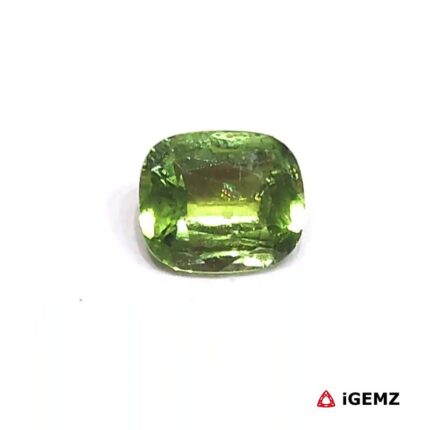
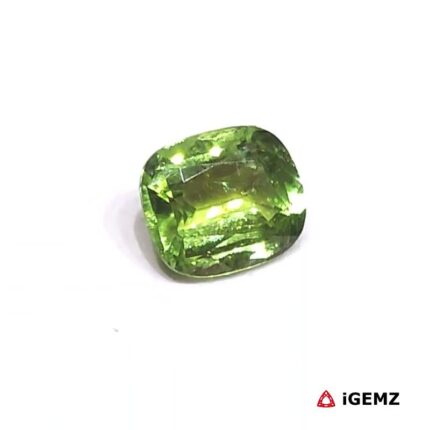
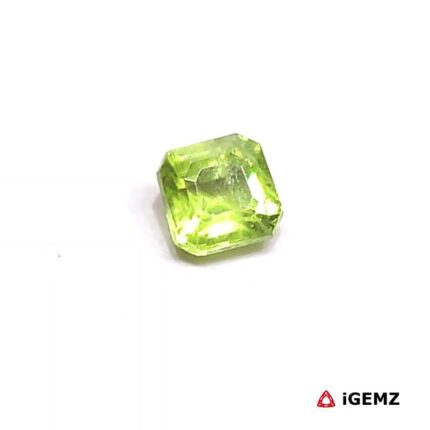
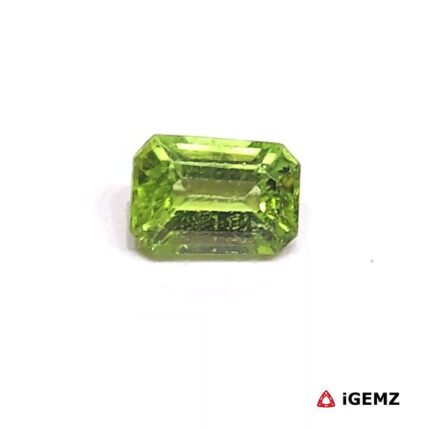
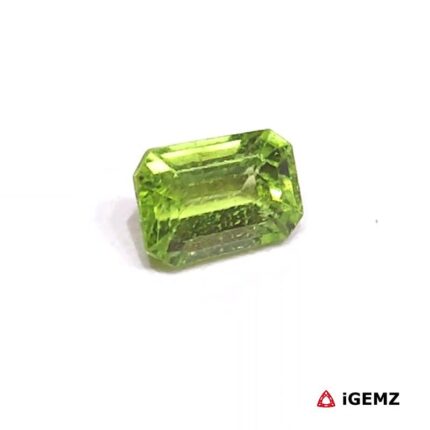
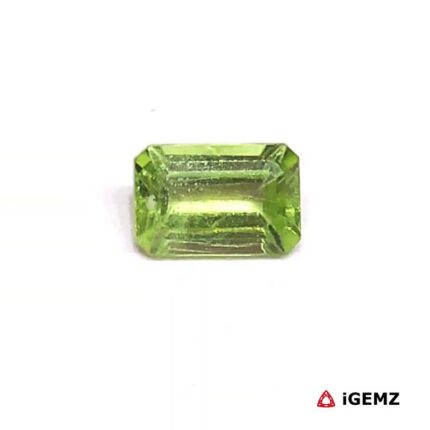
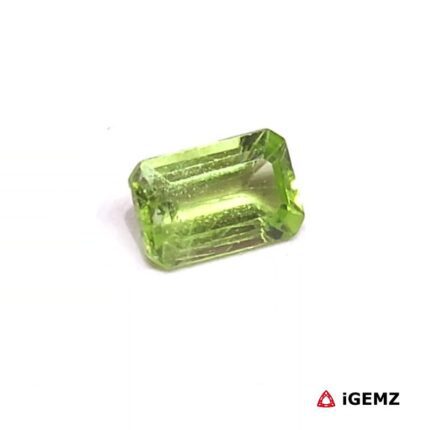
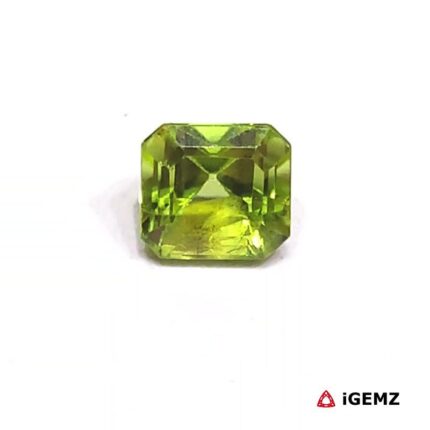
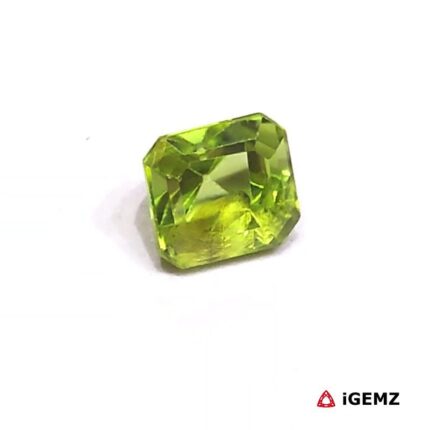
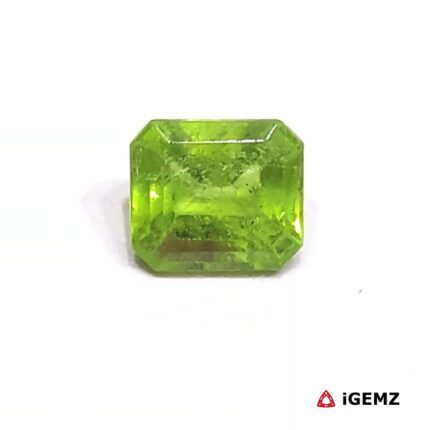
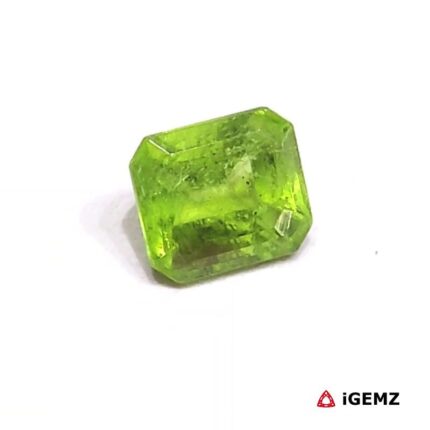
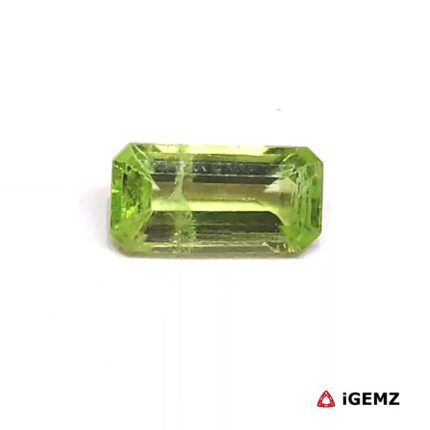
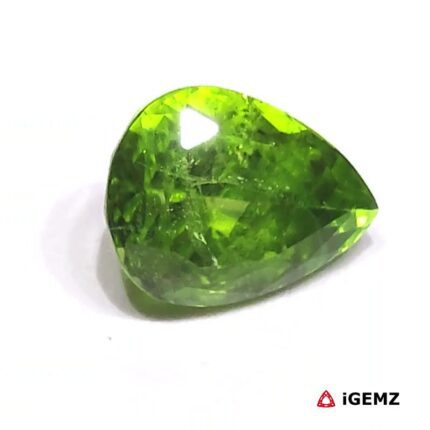
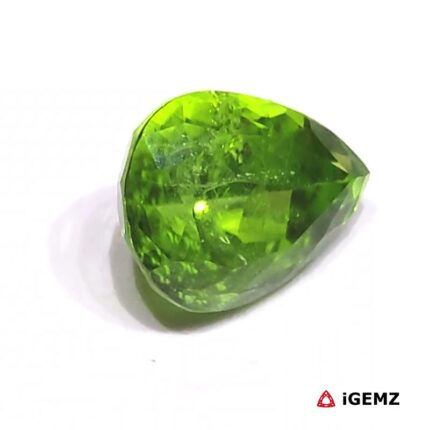
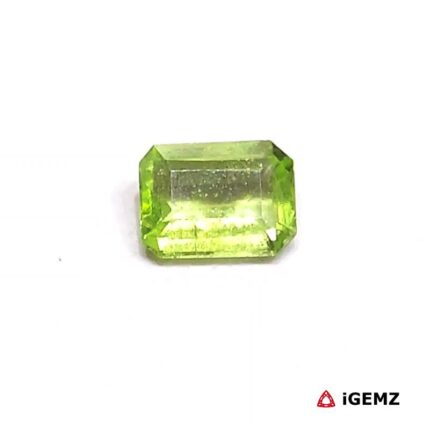
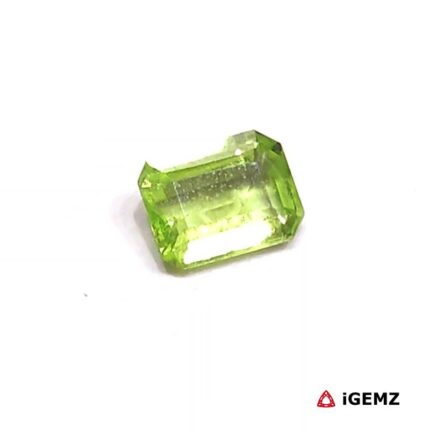
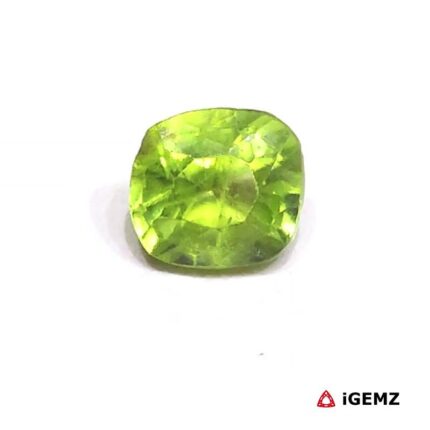
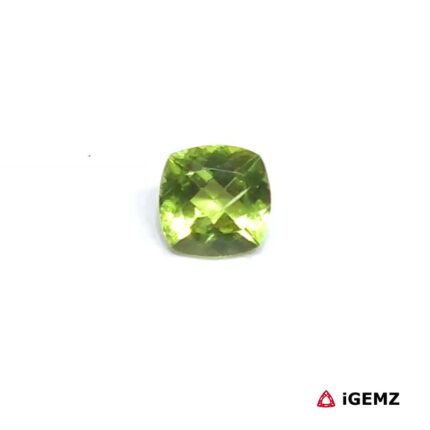
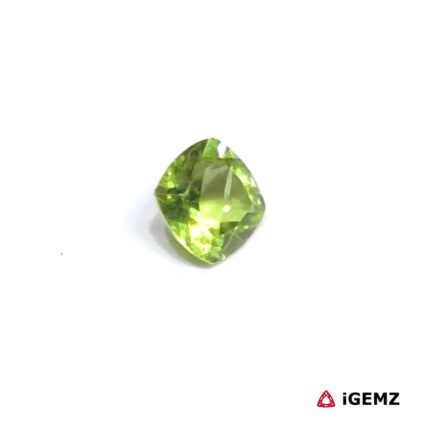
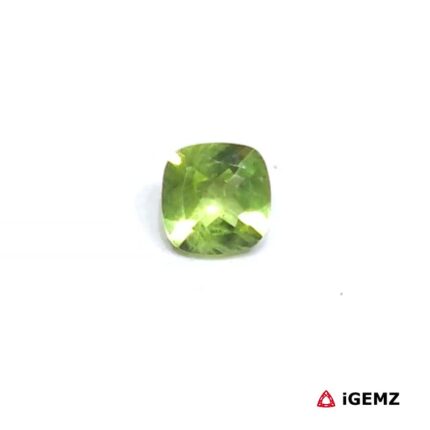
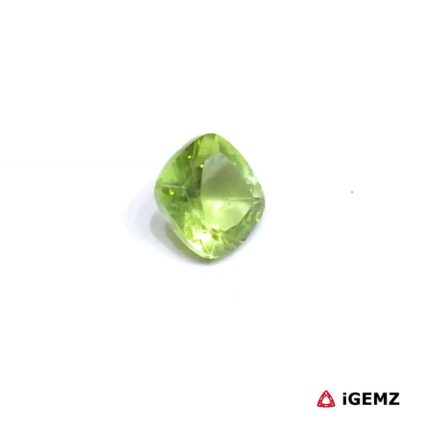
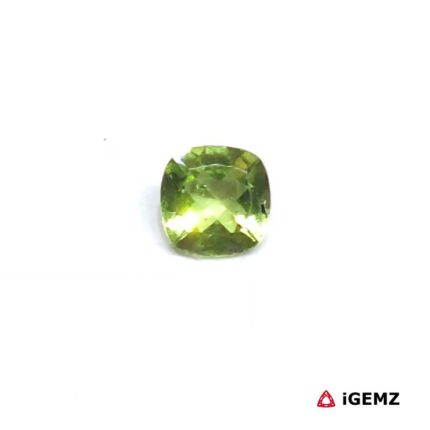
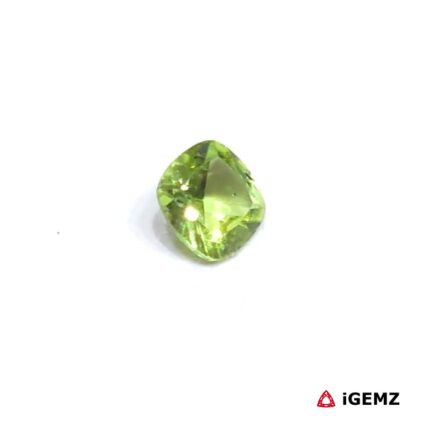
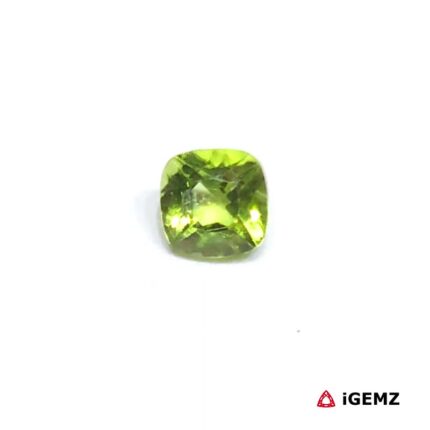
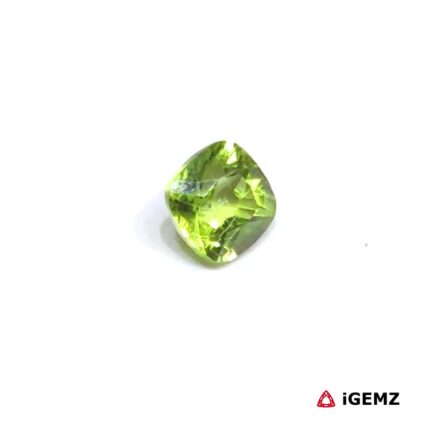
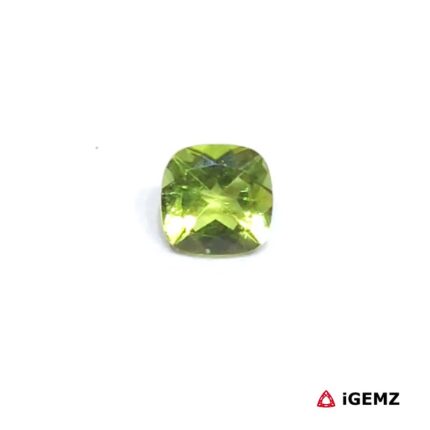
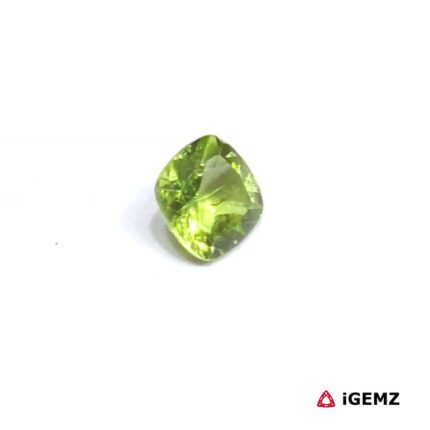
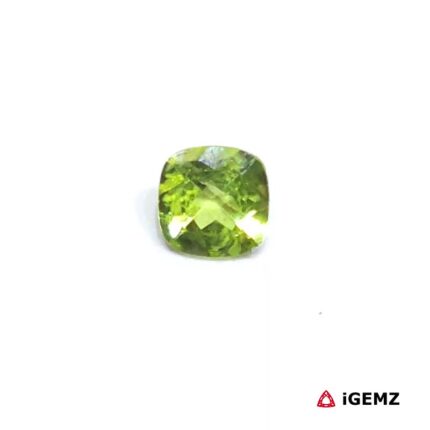
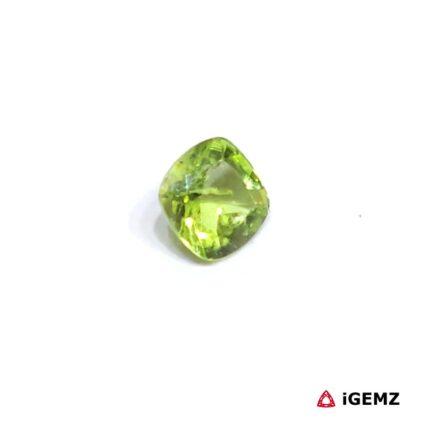
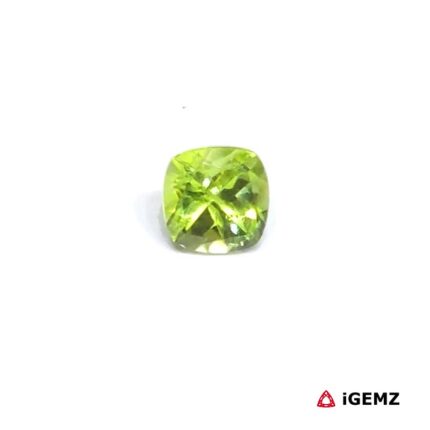
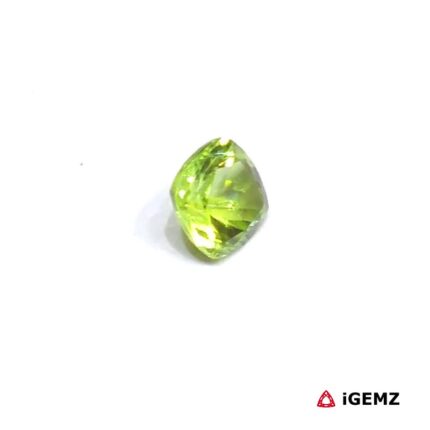
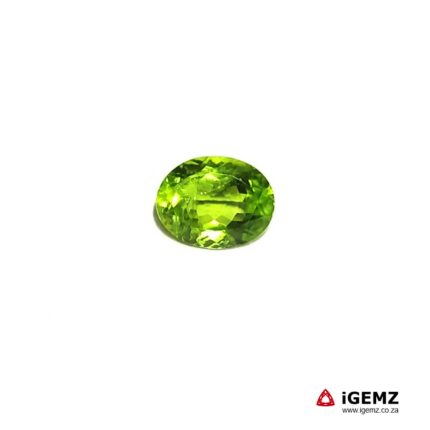
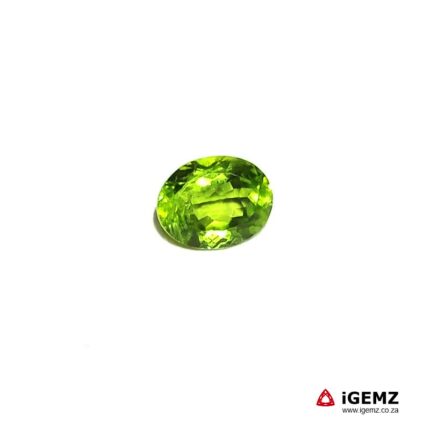
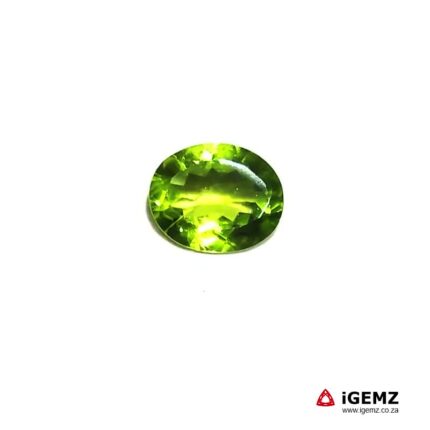
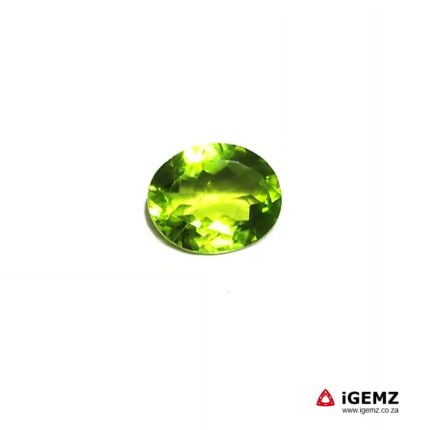
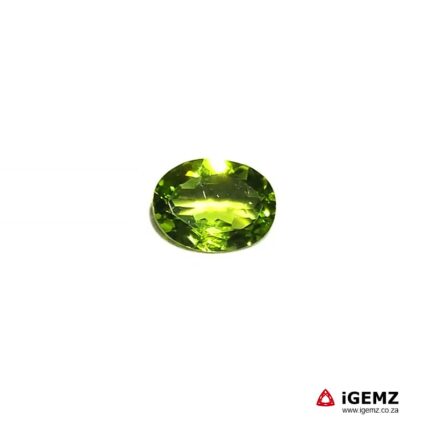
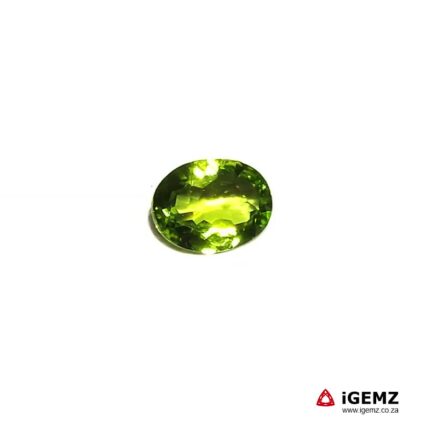
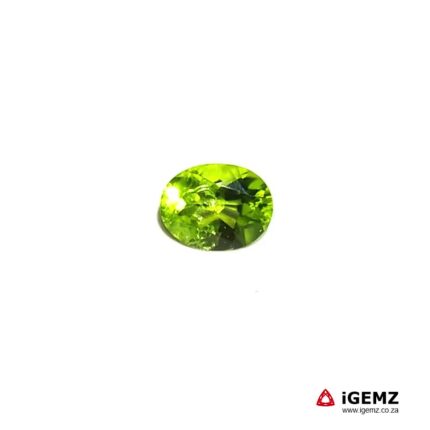
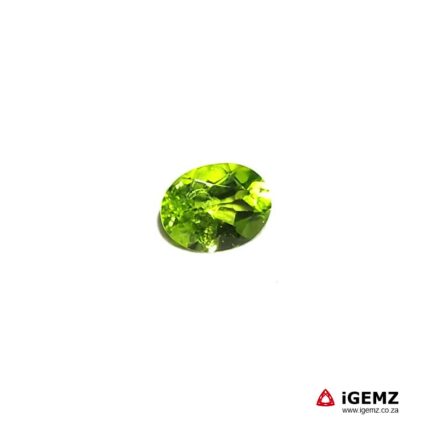
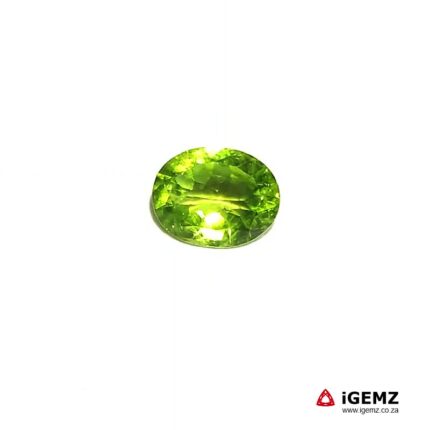
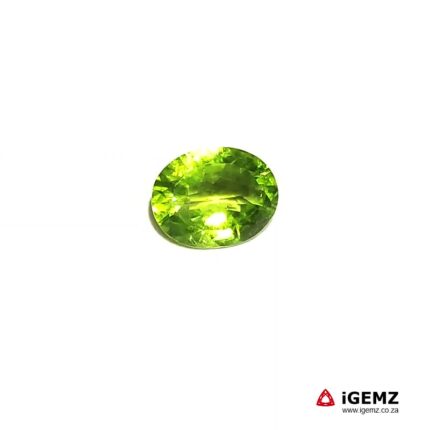
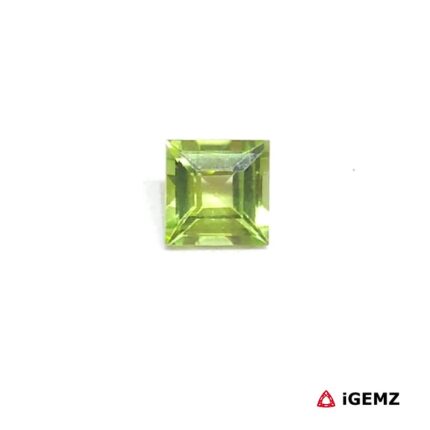
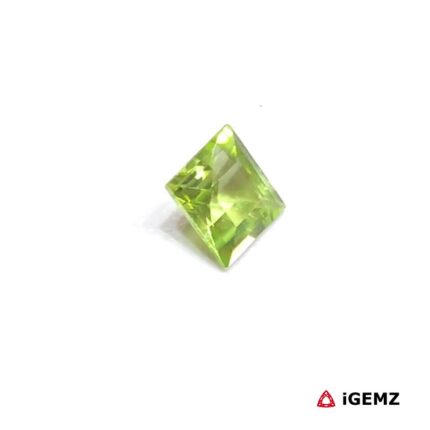
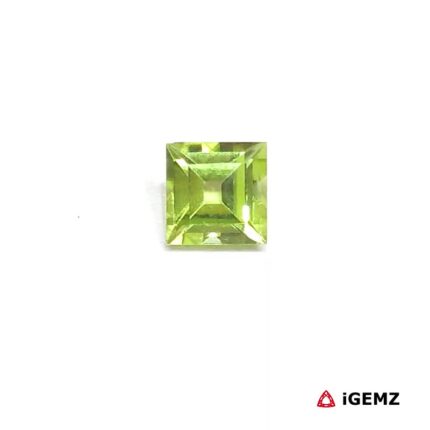
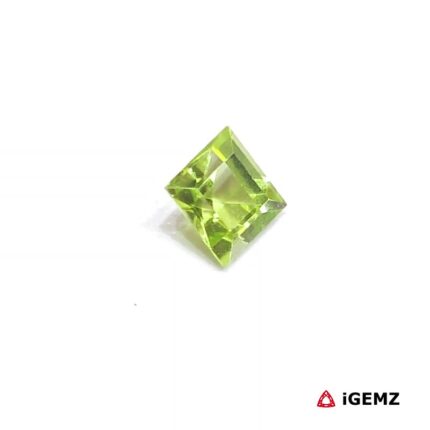
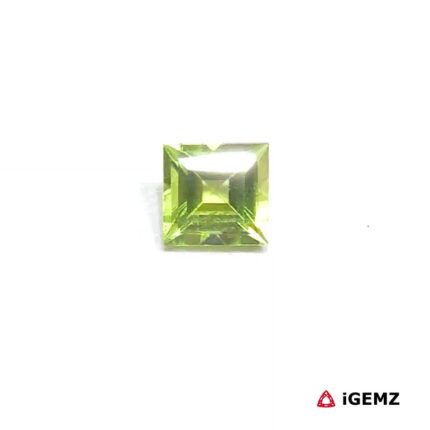
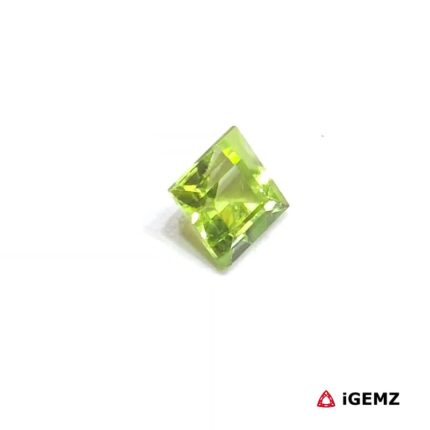
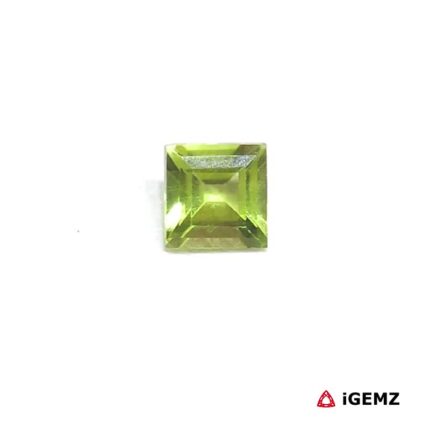
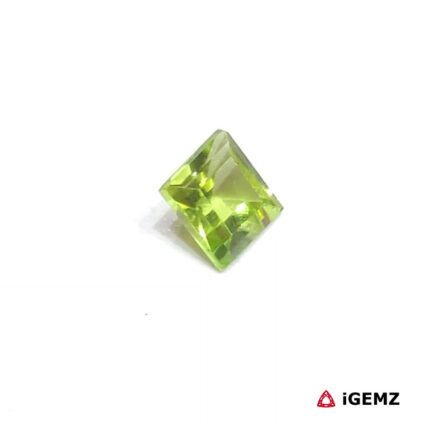
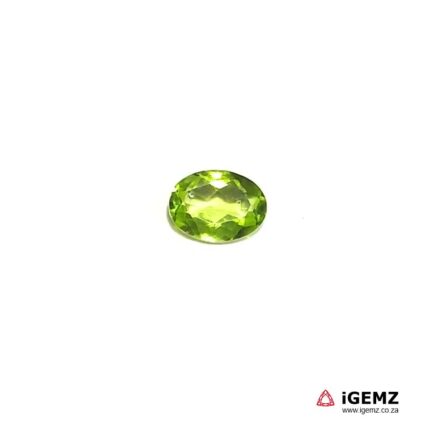
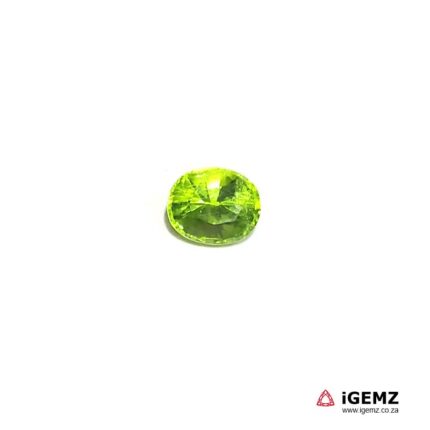
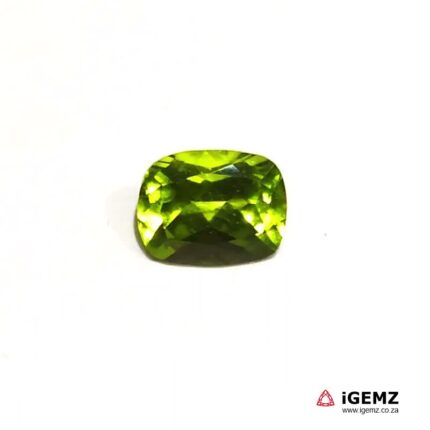
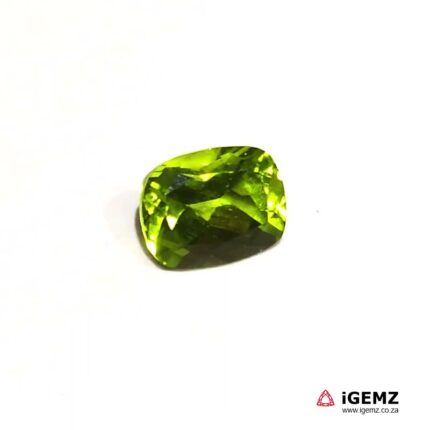
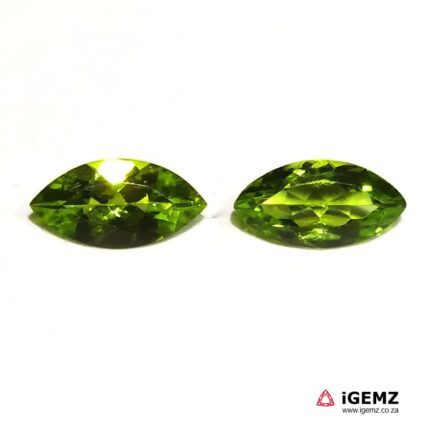
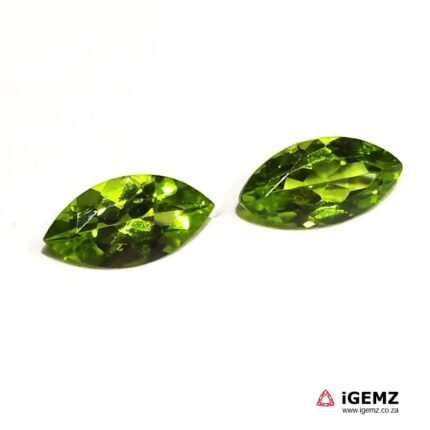
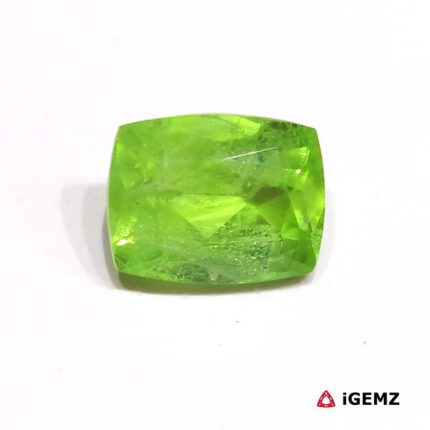
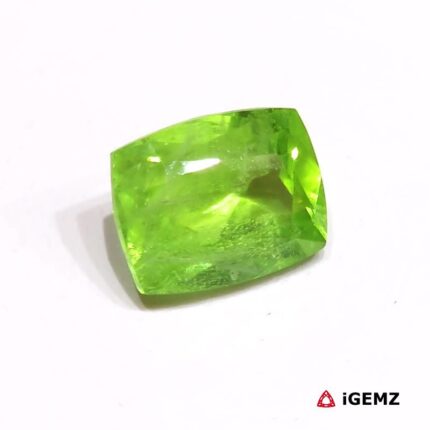
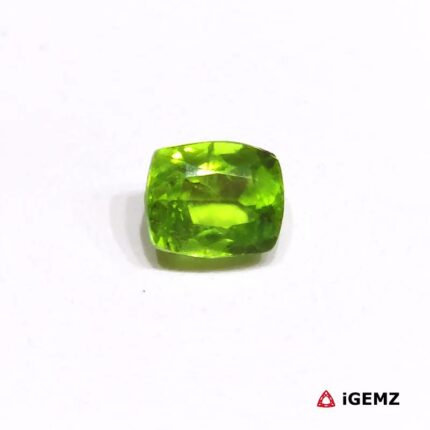
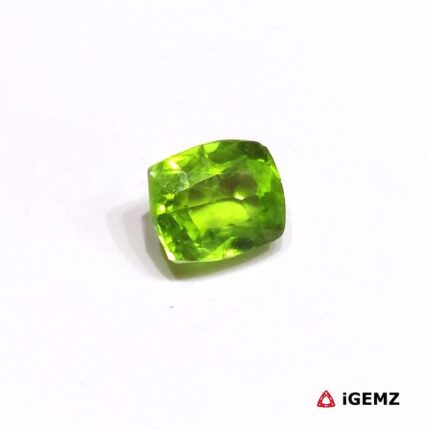
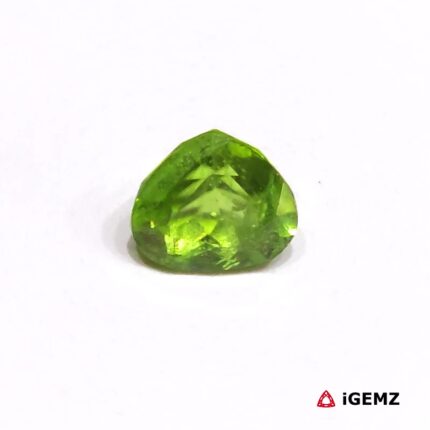
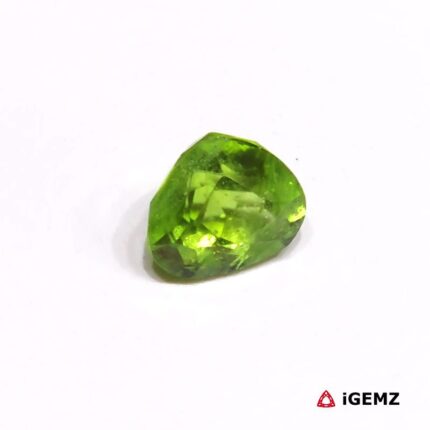
Peridot is a bright green gemstone with a slight yellow undertone, prized for its vivid colour. With Mohs hardness of 6.5–7, it is suitable for pendants, earrings, and occasional rings.
Origins & History:
Peridot is found in Myanmar, Pakistan, China, and the United States. Historically, it was known as the “gem of the sun” and is valued for its vibrant, luminous green.
Price Guide (per carat):
R2,500 – R10,000 depending on quality and size.
Jade Features, Colour & Prestige Explained
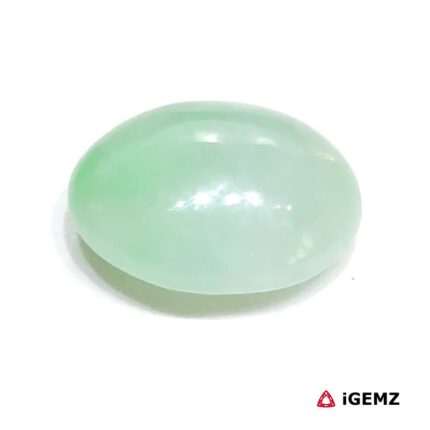
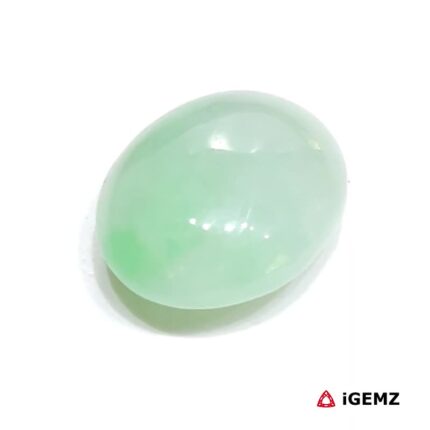
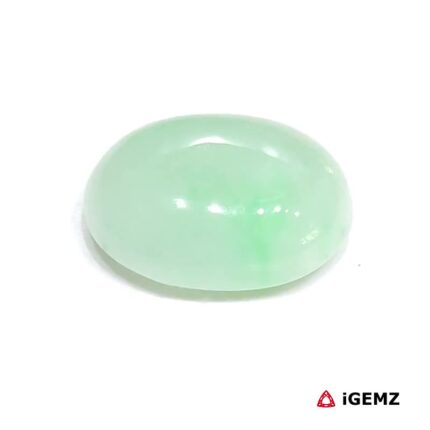
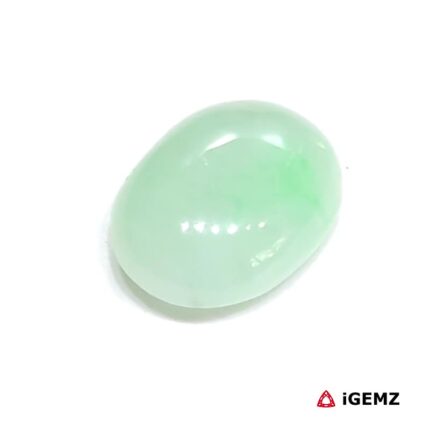
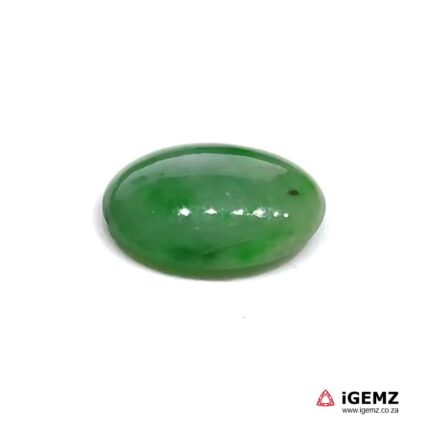
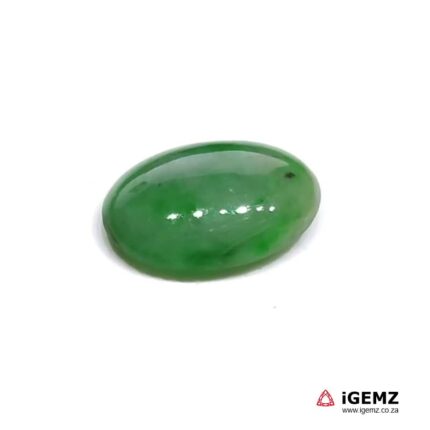
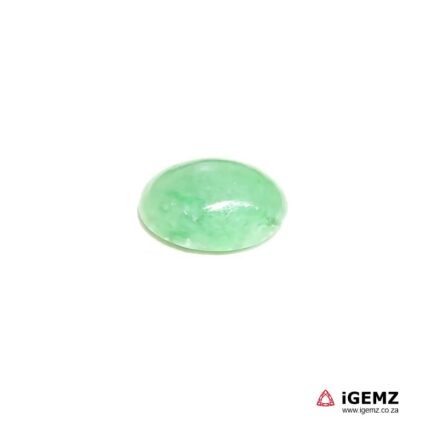
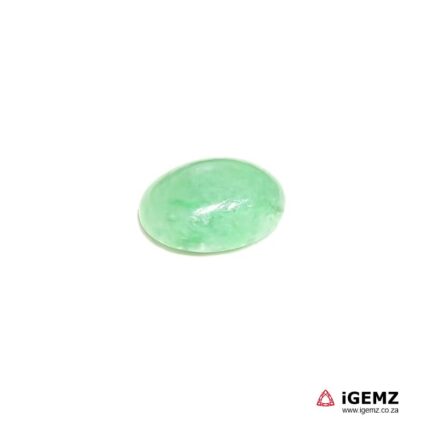
Jade includes two distinct minerals: nephrite and jadeite. Jade is highly prized in many cultures, especially in Asia, for its smooth texture and vibrant green shades. Mohs hardness ranges 6–7, and high-quality jade can be a significant investment.
Origins & History:
Jade is sourced from Myanmar, China, Guatemala, and Russia. Its cultural significance and historical use in carvings and jewellery make it a gemstone of prestige.
Price Guide (per carat):
R5,000 – R80,000+ depending on quality, translucency, and type.
Peridot vs Jade: Detailed Technical Comparison
| Feature | Peridot | Jade |
|---|---|---|
| Chemical Composition | Magnesium iron silicate (Olivine) | Nephrite: Calcium magnesium silicate, Jadeite: Sodium aluminium silicate |
| Colour | Bright green, yellowish-green | Green shades: vivid, emerald, apple-green; may be mottled |
| Hardness (Mohs) | 6.5 – 7 – moderately durable | 6 – 7 – durable but softer |
| Refractive Index | 1.65 – 1.69 | 1.61 – 1.67 |
| Specific Gravity | 3.27 – 3.37 | Nephrite: 2.95 – 3.03; Jadeite: 3.30 – 3.38 |
| Clarity & Inclusions | Generally eye-clean; may have tiny inclusions | Translucent to opaque; may have fibrous or granular texture |
| Origin | Myanmar, Pakistan, China, USA | Myanmar, China, Guatemala, Russia |
| Treatment | Occasionally heat-treated to enhance colour | Usually untreated; some dyed jade exists |
| Best Use | Fashion rings, earrings, daily jewellery | Heirloom pieces, pendants, carvings, investment jewellery |
Peridot vs Jade: Colour, Hardness & Care Tips
Colour Comparison:
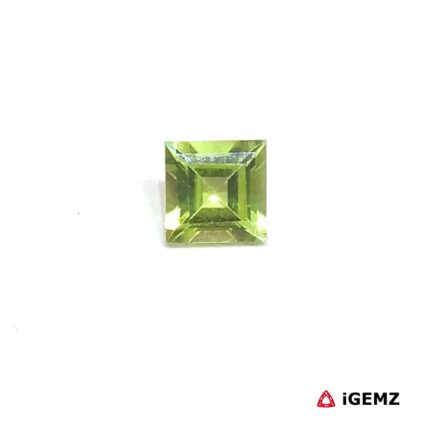
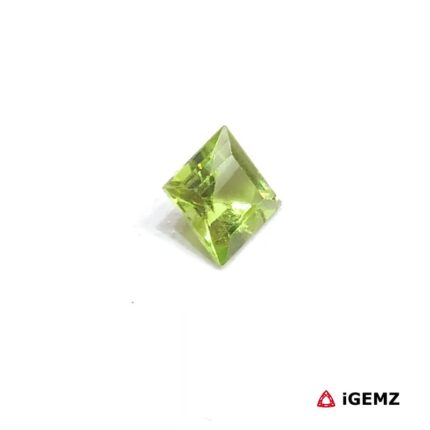
- Peridot: Bright lime to olive-green; lighter and more yellowish.
- Jade: Rich green shades; may be emerald, apple-green, or slightly mottled.
Hardness & Durability:
- Peridot: Mohs 6.5–7, moderately durable, best for pendants and earrings.
- Jade: Mohs 6–7, durable with smooth texture; ideal for jewellery and carvings.
Care Tips:
- Peridot: Avoid extreme heat and harsh chemicals; clean gently with mild soap.
- Jade: Avoid hard knocks; clean with warm soapy water and soft cloth.

Peridot vs Jade: How to Tell Them Apart
💡 Tip: Peridot is slightly yellowish-green with a higher brilliance, while jade is more opaque or translucent and fibrous in texture. Professional verification is recommended for investment-grade stones.
Peridot Summary
- Hardness: Mohs 6.5–7 – moderately durable
- Colour: Lime to olive-green
- Refractive Index: 1.65 – 1.69
- Inclusions: Small; usually eye-clean
- Care: Gentle cleaning, avoid heat and chemicals
Jade Summary
- Hardness: Mohs 6 – 7 – durable
- Colour: Rich green shades; translucent to opaque
- Refractive Index: 1.61 – 1.67
- Inclusions: Fibrous or granular texture
- Care: Avoid impact; clean gently

Buying Tips
- Request gem certification for jade, especially jadeite.
- Evaluate peridot quality: clarity, colour, and cut.
- Consider jewellery setting: peridot in protective rings, jade in pendants or carvings.
- Explore our Peridot Collection and Jade Collection.
Which Should You Choose?
- Peridot: Affordable, bright green gemstone ideal for daily jewellery.
- Jade: Prestigious, culturally significant, often an investment-grade gemstone.
Both are stunning green gemstones with unique appeal. Understanding the differences ensures a confident, informed purchase.











Peridot vs Jade FAQ’s
Can peridot be confused with jade?
Rarely, as peridot is brighter and slightly yellowish; jade is more opaque
Is jade more valuable than peridot?
High-quality jadeite can be more expensive; typical jade and peridot are moderately priced.
Can peridot be worn daily?
Yes, with care due to its moderate hardness.
How do I care for jade jewellery?
Avoid hard knocks and clean gently with mild soap.
Are jade and peridot treated?
Peridot is rarely treated; some jade may be dyed or enhanced.
Which is better for investment?
High-quality jadeite is generally a better investment than peridot.
COMPARE GEMSTONES WITH CONFIDENCE
Gemstone Comparison Guides
Choosing between two beautiful gemstones can be challenging. Our professional Gemstone Comparison Guides help you clearly understand the differences between popular gemstones so you can make a confident and informed choice.
Each comparison explores the key factors that influence gemstone quality and value, including colour, clarity, durability, rarity and typical treatments. You will also learn how similar-looking gemstones differ in appearance, composition, hardness and more.

HERE IS ALL THE PROFESSIONAL INFORMATION YOU NEED
Gemstone Buyer's Guides
Buying a gemstone should be exciting — but understanding quality, rarity and value is essential before making the right choice. Our professional Gemstone Buyer’s Guides help you understand how colour, clarity, cut and treatments influence the beauty and value of different gemstones.
Each guide explains the key quality factors used by gemologists, including gemstone composition, colour grading, natural inclusions, treatments and origin. You will also learn how these factors affect rarity, durability and market value.
Beryl Family
Feldspar Gemstones
Pyroxene Gemstones
Spodumene Family
Chalcedony & Agate
Quartz Gemstones
Amethyst
Ametrine
Citrine
Prasiolite
Quartz
Rose Quartz
Rutile Quartz
Smoky Quartz
Rare & Collector Gemstones
Apatite
Chrysoberyl
Clinozoisite
Fluorite
Grandidierite
Iolite
Jade
Kyanite
Lapis Lazuli
Phosphosiderite
Prehnite
Serendibite
Sillimanite
Sphene
Sugilite
Vesuvianite