


 1st - Gold

 January
  February
  March
March  April
April  May
May  June
June  July
July  August
  September
  October
  November
  December
 Capricorn - Garnet
  Aquarius - Amethyst
  Pisces - Aquamarine
  Aries - Diamond
  Taurus - Emerald
  Gemini - Pearl
  Cancer - Ruby
  Leo - Peridot
  Virgo - Blue Sapphire
  Libra - Opal
  Scorpio - Topaz
  Sagittarius - Tanzanite


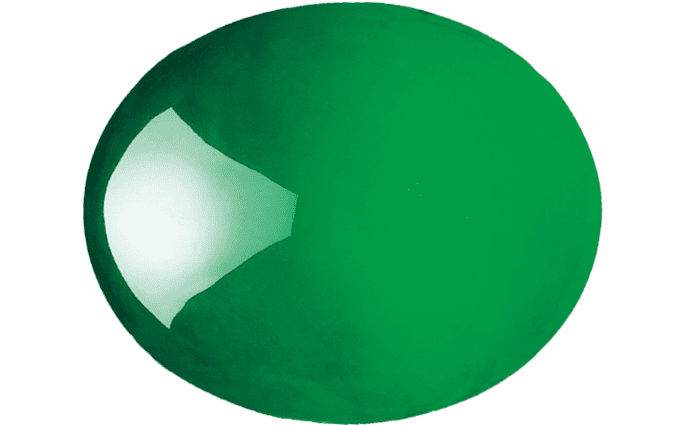
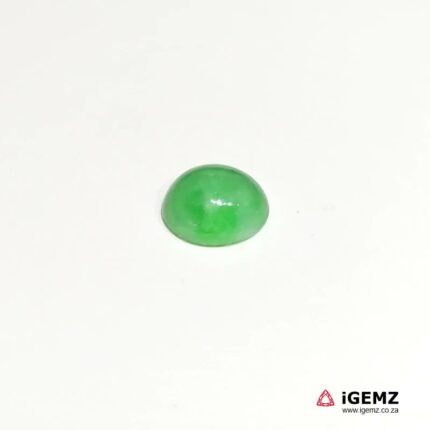
Jade
Buyer’s Guide
Quality, Composition, Colour & Value Explained
Discover how colour, texture, treatments and cut influence jade value, and learn what truly determines quality before choosing your ideal green gemstone.
A complete professional Jade Buyer’s Guide to understanding this gemstone’s quality, origin, treatments and value factors before purchasing.
History, Symbolism & Meaning of Jade
Origins and Historical Use

Jade has been treasured for millennia, particularly in Asia and Central America, where it was used for jewellery, ceremonial objects and carving. Ancient Chinese dynasties valued jade above all other gemstones, associating it with purity, moral integrity and immortality. The Mayans and Olmecs in Central America also prized jade for its spiritual and societal significance, often using it in masks, amulets, and ritual objects.
The word “jade” derives from the Spanish piedra de ijada, meaning “stone of the flank,” referencing its historic use in medicinal applications. Its enduring appeal comes from both its beauty and cultural significance across civilizations.
Ancient Beliefs and Spiritual Energy

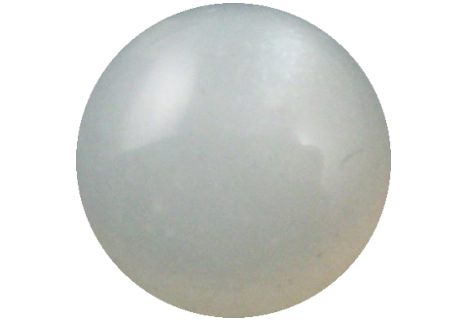
Jade has long been associated with balance, protection, and longevity. It is believed to bring harmony, attract prosperity and shield the wearer from negative energies.
In traditional Chinese philosophy, jade is connected to the heart chakra and is said to foster emotional stability, wisdom, and courage. It has also been used as a talisman to promote good health and success in life.
Modern Symbolism and Collectibility

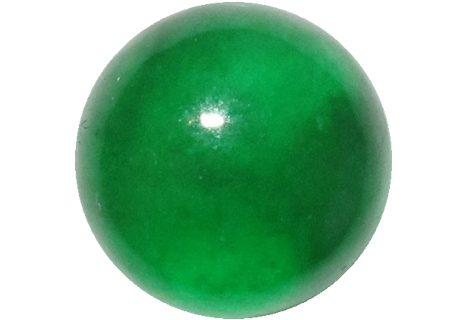
Today, jade remains highly prized for both its aesthetic and cultural value. High-quality jade is considered a symbol of status, refinement, and spiritual harmony. Collectors seek jade not only for its smooth texture and rich colour but also for its rarity, particularly in imperial green varieties.
Jade is also considered a gift of luck, protection, and vitality. Its durability and versatility make it popular for rings, bangles, pendants, and intricate carvings, ensuring its timeless appeal worldwide.
Physical & Optical Properties
Explore Jade’s Hardness, Lustre, Transparency, Refractive Index and Specific Gravity.
Understanding the gemological properties of jade helps determine durability, polishability and suitability for jewellery.

Colour Range
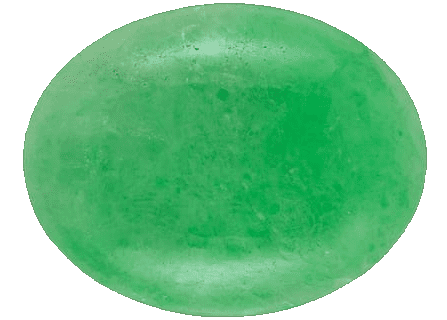
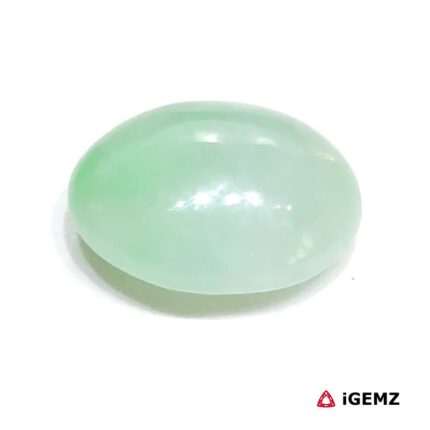
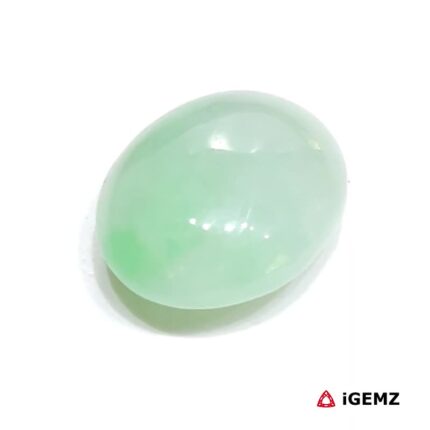
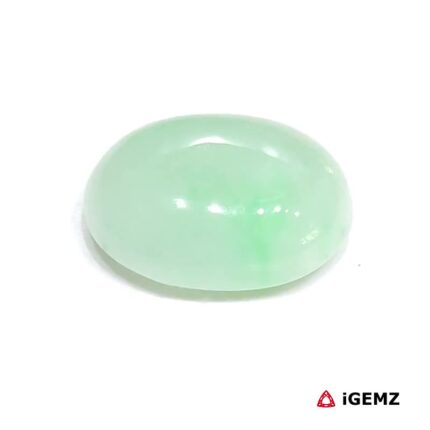
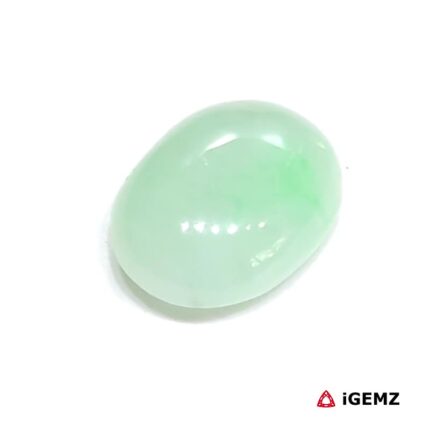
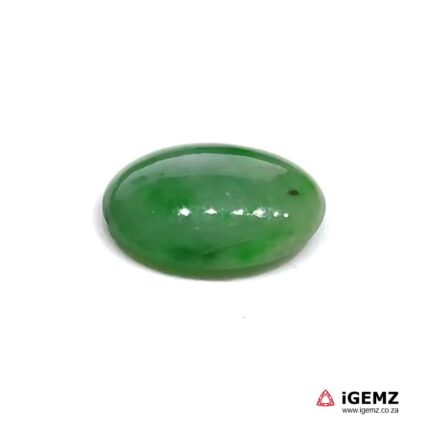
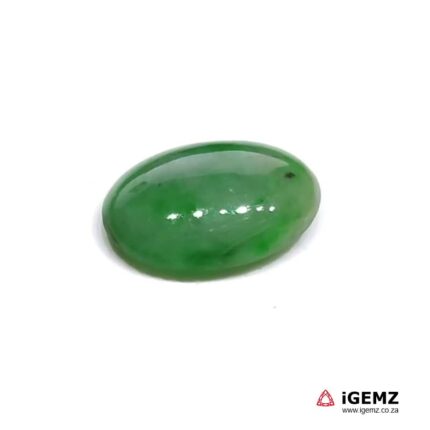
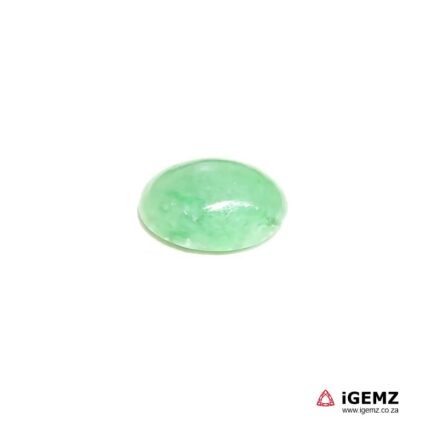
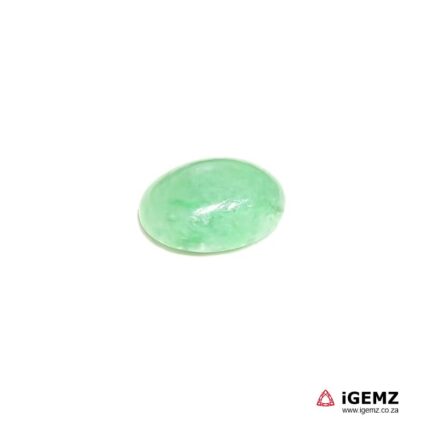
Jade occurs in shades of: Pale green, Medium green, Rich emerald green, Lavender, White, Yellowish-green. The most prized stones are uniform in colour, particularly intense green without brown or grey undertones.

Chemical Formula
Jade occurs in two main types:
Nephrite: Ca₂(Mg,Fe)₅Si₈O₂₂(OH)₂
Jadeite: NaAlSi₂O₆
Trace elements such as chromium can influence vivid green colouring, especially in jadeite.

Composition
Nephrite: Calcium, magnesium, silicon, oxygen
Jadeite: Sodium, aluminium, silicon, oxygen

Refractive Index
1.606 – 1.666 (jadeite), 1.606 – 1.632 (nephrite), giving jade its soft, subtle sheen.

Lustre
Waxy to vitreous, depending on the variety, producing a smooth, luminous finish.


Moh's Hardness & Durability
Jadeite: 6.5 – 7, Nephrite: 6 – 6.5. Both are tough stones with remarkable resistance to breakage, making jade suitable for bracelets, rings and carvings. Nephrite is slightly softer but extremely tough, resistant to chipping and impact.

Crystal System
Jadeite: Monoclinic, Nephrite: Monoclinic to fibrous; both form interlocking crystals contributing to toughness.

Transparency
Translucent to opaque, with the most valuable jade exhibiting a smooth, even translucency that enhances colour depth.

Mineral Family
Nephrite is an amphibole, and jadeite is a pyroxene mineral; both are collectively referred to as “jade.”

Specific Gravity
Jadeite: 3.30 – 3.38, Nephrite: 2.90 – 3.03.
Origin, Treatment & Care

Jade is a durable gemstone highly valued for its rich colour, smooth texture and cultural significance. Knowing the type, origin, and treatments is key to assessing value. With proper care, jade jewellery can last for generations.

Major Origins
Nephrite: China, New Zealand, Russia, Canada, Taiwan
Jadeite: Myanmar (Burma), Guatemala, Japan
Burmese jadeite is historically the most prized for its intense emerald-green “Imperial Jade.”

Treatments
Some jade is treated with colour-enhancing dyes or polymer impregnation to improve translucency and colour uniformity. High-quality jadeite is untreated, highly transparent, and displays vivid green colour naturally.

Care and Cleaning
Avoid harsh chemicals, extreme heat, and ultrasonic cleaning. Clean jade with warm water, mild soap, and a soft cloth. Store separately to prevent scratching by harder gemstones.
How Jade Quality & Value Are Determined
Jade value is influenced by colour, texture (smoothness), translucency, cut, and size. Fine jade with intense colour, high translucency, smooth texture, and minimal inclusions commands premium prices.
Colour
Colour is the dominant factor in determining jade value. The most desirable jade displays:
- Even, vivid green or imperial green (jadeite)
- Medium-to-deep saturation without brown or grey undertones
- Smooth colour distribution throughout the stone
Pale or dull colours reduce value, while intense, evenly distributed colour greatly enhances desirability.
Texture & Clarity
High-quality jade has a smooth, fine-grained texture with minimal fibrous or granular appearance. While inclusions are common, stones with fewer visible imperfections are more valuable.
Cut
Cut enhances shape, polish, and overall aesthetics. Jade is often carved into cabochons, bangles, beads, pendants or intricate carvings. The skill of the cutter impacts how light interacts with colour and translucency.
Carat Weight
Larger jade pieces, particularly jadeite, are rare and highly prized. Consistent colour and translucency are more important than sheer size when determining value.
The Balance of the Four Factors
Premium jade should exhibit:
- Even, intense colour
- Smooth, fine-grained texture
- Good translucency or luminous glow
- Proportional size and expertly carved finish
When these qualities align, jade becomes not only visually stunning but also culturally and investment-worthy.
International Pricing Trends – per carat
Pricing varies widely depending on type, colour, clarity, and origin. Fine untreated Burmese jadeite commands the highest prices, especially for Imperial Green. Nephrite is generally more affordable but still highly prized in quality pieces.
Estimated Average International Jade Prices (Good Quality) – Per Carat
| Weight | ZAR | USD | EUR | JPY | GBP | AUD | CAD | CHF | CNY | HKD | NZD | Market Signal |
|---|---|---|---|---|---|---|---|---|---|---|---|---|
| Under 1 carat | Size is widely available | |||||||||||
| 1 - 2 carat | Increasingly popular | |||||||||||
| 2 - 3 carats | Strong demand | |||||||||||
| 3 - 4 carats | Remain desirable | |||||||||||
| 4 - 6 carats | Scarcer in larger sizes | |||||||||||
| 6 - 8 carats | Exceptional stones |



Frequently Asked Questions
Difference between jadeite and nephrite?
Jadeite is rarer and generally more valuable, with brighter colours and higher translucency. Nephrite is tougher, slightly softer, and often found in pale to medium green shades.
Why is jade considered valuable?
Value is determined by colour, texture, translucency, cut, and origin. Fine jade, particularly untreated Burmese jadeite with intense green colour, commands top prices.
Can jade be worn daily?
Yes. Jade is tough and durable but should still be protected from sharp blows, harsh chemicals, and extreme heat.
Is jade treated?
Some jade is dyed or polymer-treated to enhance colour and translucency. Untreated jadeite is rare and highly prized. Always ask for disclosure when purchasing.
Which jade colour is most valuable?
The most valuable jadeite is Imperial Green, a vivid, rich green with even colour and high translucency.
How should jade be cleaned?
Clean gently with warm water, mild soap, and a soft cloth. Avoid ultrasonic cleaning, steam, and harsh chemicals.

Buy With Confidence
Professionally inspected gemstones
Full transparency on treatments
Worldwide shipping
Secure checkout
Ready to own the beauty of
JADE?
Now that you understand the history, symbolism, and quality factors behind jade, you can select your own piece with confidence. Admired for its smooth texture, rich colour, and cultural significance, jade is a timeless gemstone suitable for rings, pendants, bangles, and carvings. Combining elegance, durability, and symbolic meaning, jade is a sophisticated addition to any gemstone collection.
Smooth Green
Timeless Harmony
Cultural Heritage
COMPARE GEMSTONES WITH CONFIDENCE
Gemstone Comparison Guides
Choosing between two beautiful gemstones can be challenging. Our professional Gemstone Comparison Guides help you clearly understand the differences between popular gemstones so you can make a confident and informed choice.
Each comparison explores the key factors that influence gemstone quality and value, including colour, clarity, durability, rarity and typical treatments. You will also learn how similar-looking gemstones differ in appearance, composition, hardness and more.

HERE IS ALL THE PROFESSIONAL INFORMATION YOU NEED
Gemstone Buyer's Guides
Buying a gemstone should be exciting — but understanding quality, rarity and value is essential before making the right choice. Our professional Gemstone Buyer’s Guides help you understand how colour, clarity, cut and treatments influence the beauty and value of different gemstones.
Each guide explains the key quality factors used by gemologists, including gemstone composition, colour grading, natural inclusions, treatments and origin. You will also learn how these factors affect rarity, durability and market value.
Beryl Family
Feldspar Gemstones
Pyroxene Gemstones
Spodumene Family
Chalcedony & Agate
Quartz Gemstones
Amethyst
Ametrine
Citrine
Prasiolite
Quartz
Rose Quartz
Rutile Quartz
Smoky Quartz
Rare & Collector Gemstones
Apatite
Chrysoberyl
Clinozoisite
Fluorite
Grandidierite
Iolite
Jade
Kyanite
Lapis Lazuli
Phosphosiderite
Prehnite
Serendibite
Sillimanite
Sphene
Sugilite
Vesuvianite