


 1st - Gold

 January
  February
  March
March  April
April  May
May  June
June  July
July  August
  September
  October
  November
  December
 Capricorn - Garnet
  Aquarius - Amethyst
  Pisces - Aquamarine
  Aries - Diamond
  Taurus - Emerald
  Gemini - Pearl
  Cancer - Ruby
  Leo - Peridot
  Virgo - Blue Sapphire
  Libra - Opal
  Scorpio - Topaz
  Sagittarius - Tanzanite


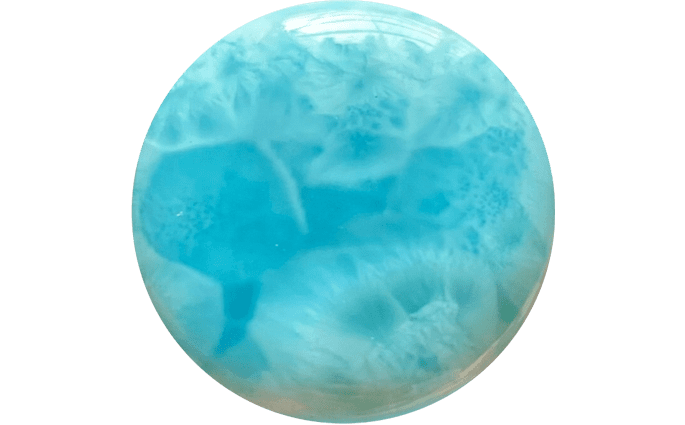
Larimar
Buyer’s Guide
Quality, Composition, Colour & Value Explained
Discover how colour, clarity, patterns and cut influence larimar value, and learn what truly determines quality before choosing your ideal blue gemstone.
A complete professional Larimar Buyer’s Guide guide to understanding this gemstone’s quality, origin, treatments and value factors before purchasing.
History, Symbolism & Meaning of Larimar
Origins and Historical Use

Larimar is a rare and modern gemstone, discovered in 1974 in the Dominican Republic. Its striking sky-blue and oceanic hues quickly captured attention among collectors and jewellery enthusiasts. Unlike many traditional gemstones, larimar has a very recent history but has already earned recognition for its beauty and distinctive appearance.
The name “larimar” combines the first name of Miguel Méndez’s daughter, Larissa, with the Spanish word for sea, “mar”, reflecting its vibrant blue tones reminiscent of Caribbean waters.
Ancient Beliefs and Spiritual Energy

Although modern in discovery, larimar has quickly been associated with calming and spiritual properties. Believers in crystal healing consider it a stone of serenity and emotional balance, connecting the wearer to soothing energies of water and sky.
Larimar is linked to the throat and heart chakras, supporting clear communication, emotional expression, and inner peace. Its gentle energy is thought to relieve stress, reduce anxiety, and inspire creativity.
Modern Symbolism and Collectibility

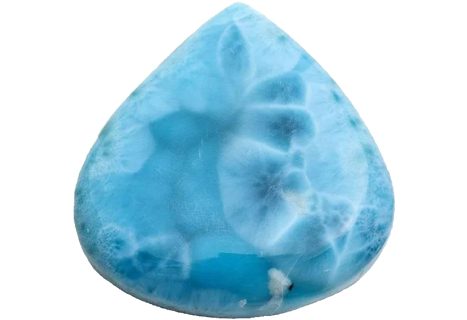
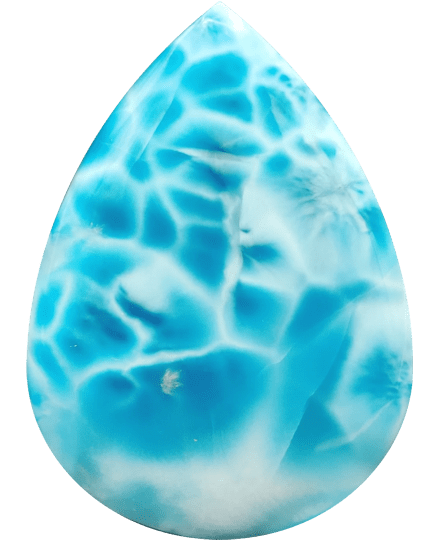
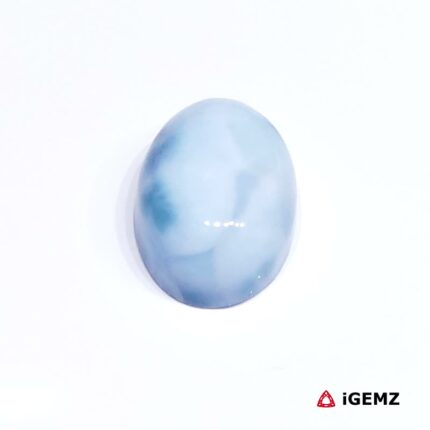
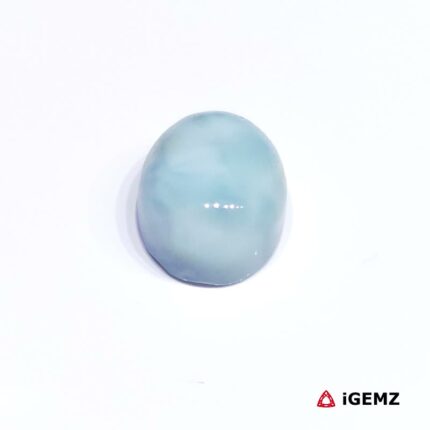
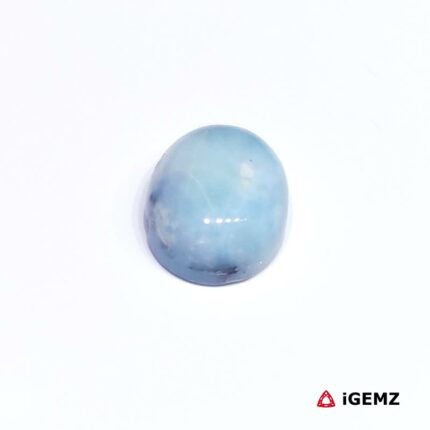
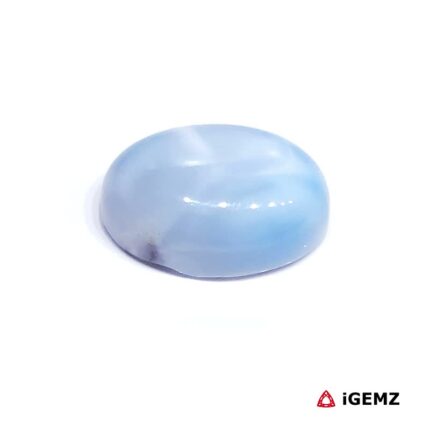
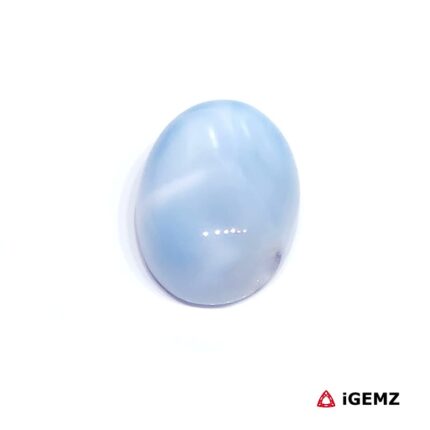
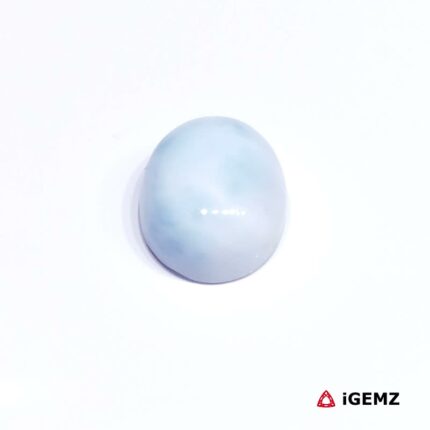
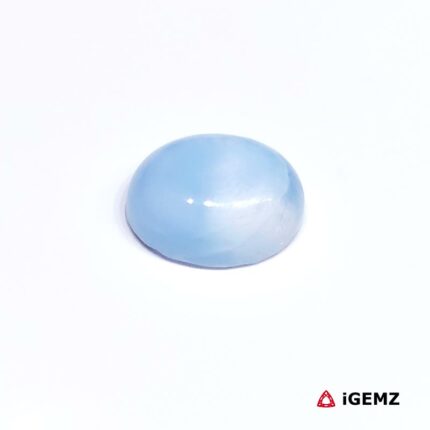
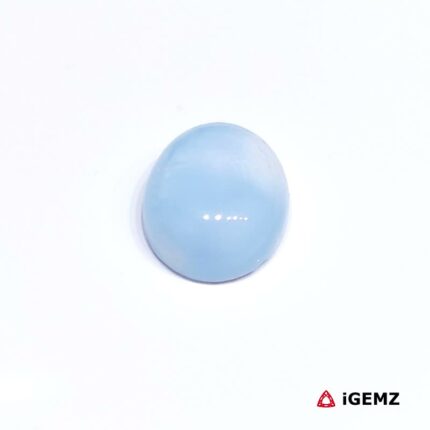
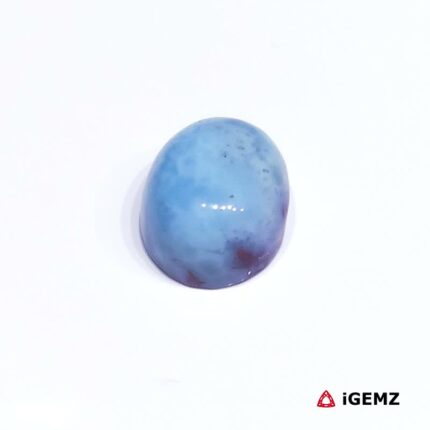
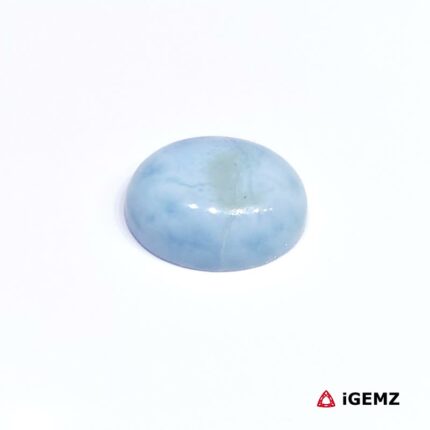
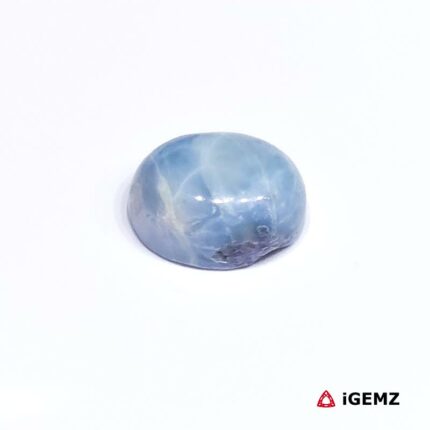
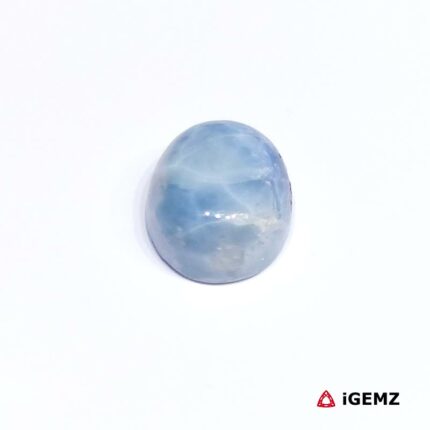
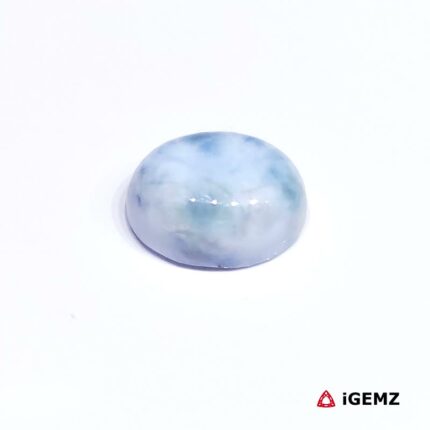
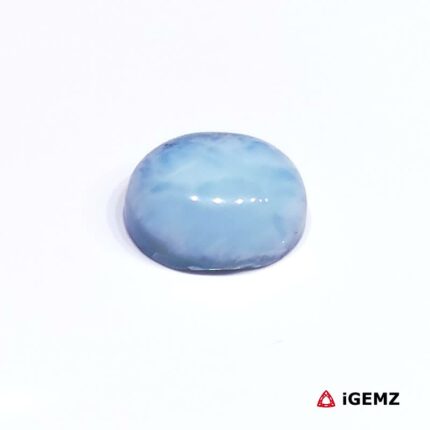
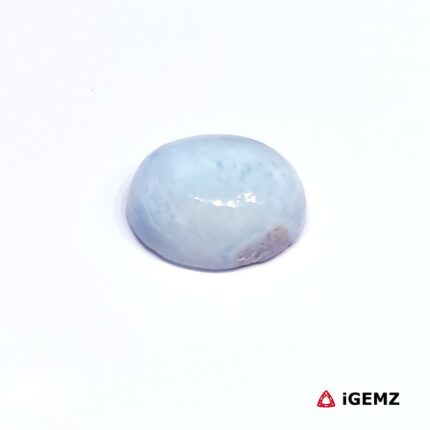
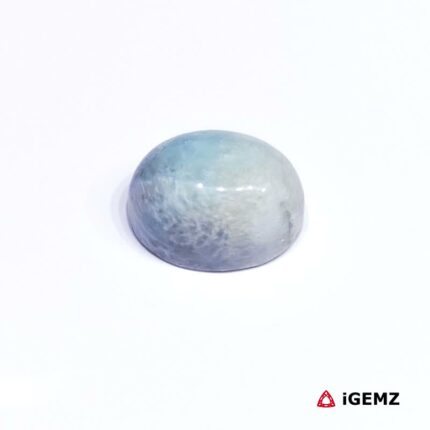
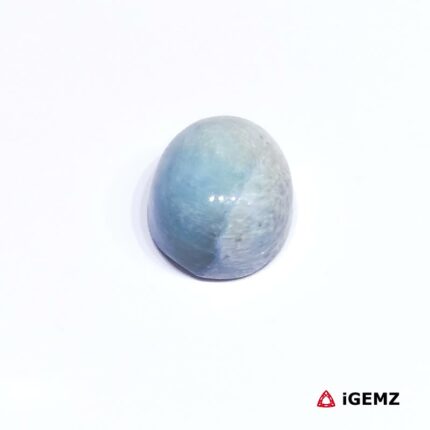
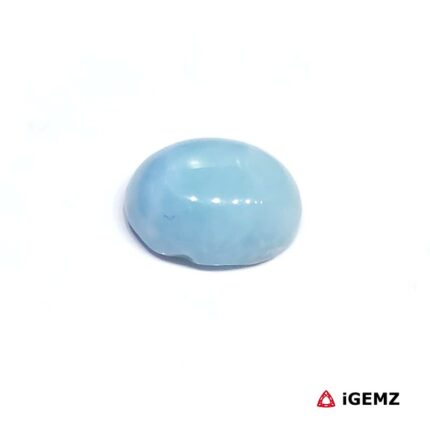
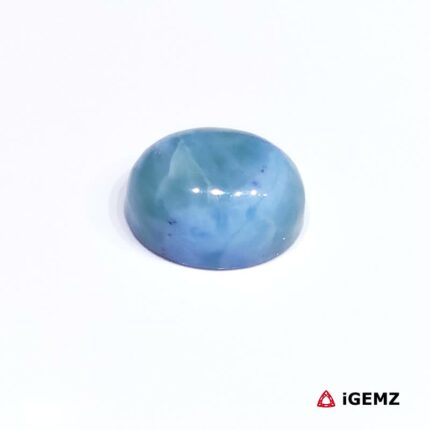
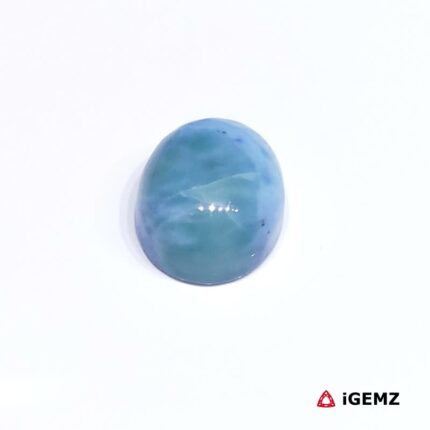
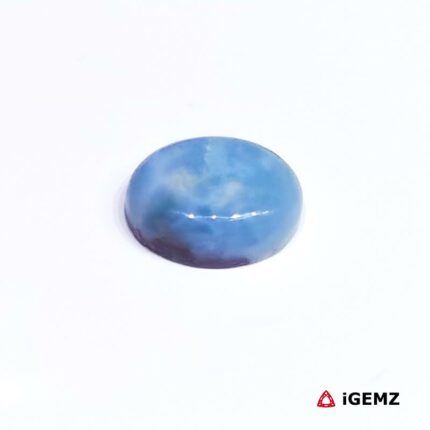
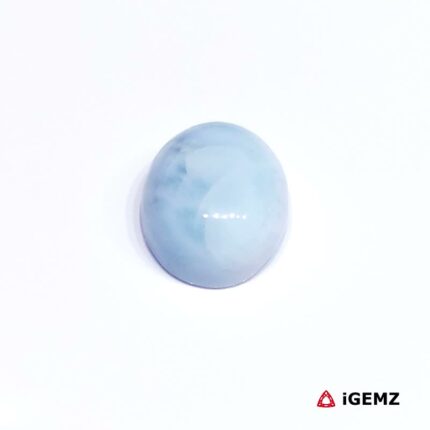
Larimar is prized for its unique coloration, ranging from pale sky blue to deep volcanic blue with white marbling patterns. Collectors value high-quality specimens for their rarity and aesthetic appeal.
It is often referred to as the “Atlantis Stone” for its ethereal appearance and serene energy. Larimar jewellery is popular for meditation, spiritual practices, and elegant accessory designs, making it both a decorative and meaningful gemstone.
Physical & Optical Properties
EXPLORE LARIMAR’S HARDNESS, LUSTRE, TRANSPARENCY, REFRACTIVE INDEX AND SPECIFIC GRAVITY.
Understanding larimar’s properties helps determine durability, aesthetic appeal, and suitability for jewellery wear.

Colour Range
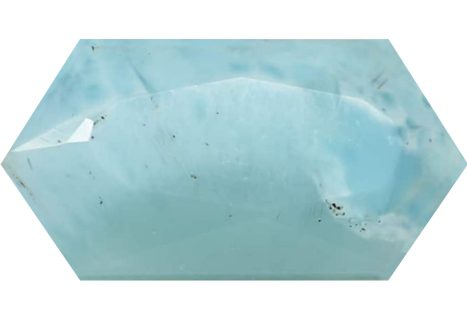
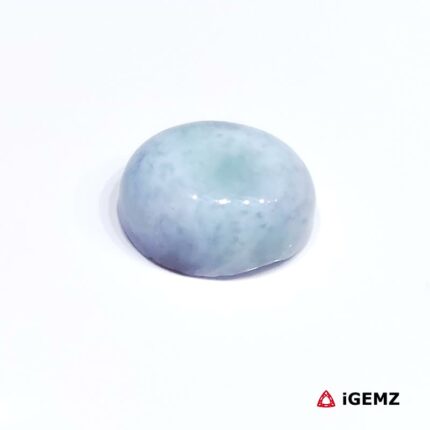
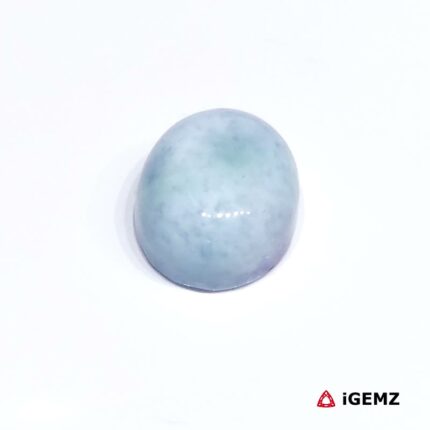
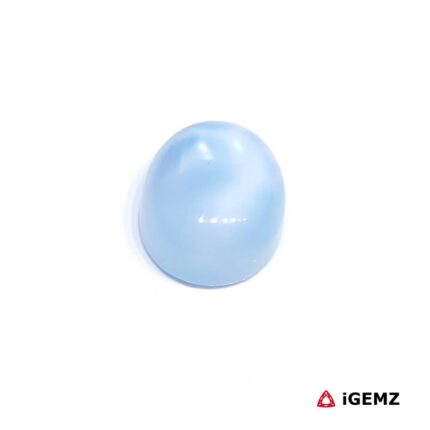
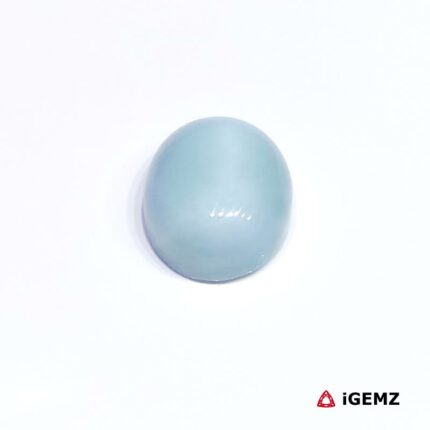
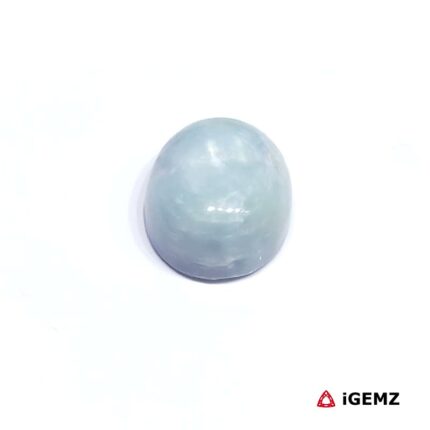
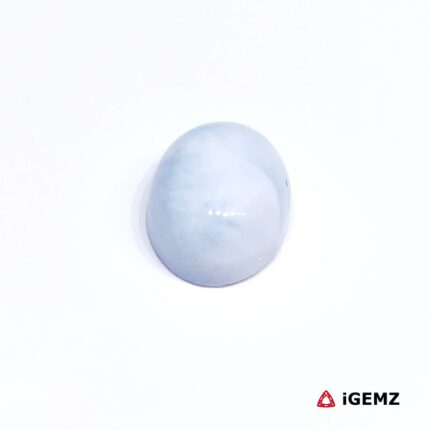
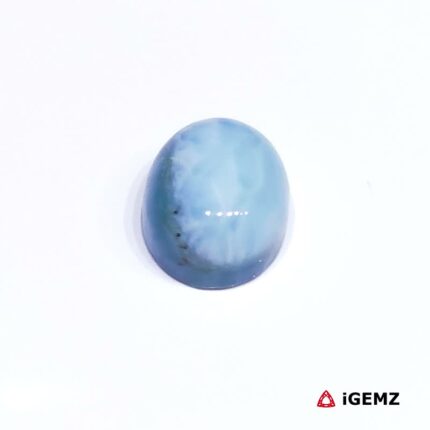
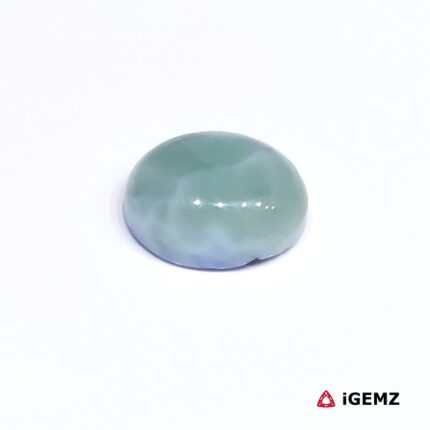
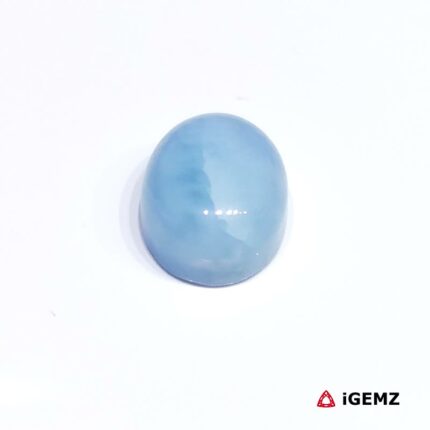
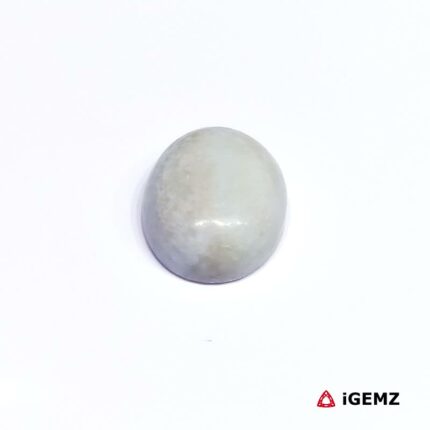
Larimar occurs in shades of: Sky blue, Light turquoise, Deep ocean blue, Sometimes with white or greenish marbling. The most valuable stones display intense blue with minimal white matrix.

Chemical Formula
Larimar is a rare variety of pectolite with the chemical formula NaCa₂Si₃O₈(OH). Its blue colour originates from trace copper content.

Composition
Sodium, Calcium & Silicon – trace copper provides the distinctive blue colour.

Refractive Index
1.59 – 1.61, giving larimar a gentle lustre and soft internal glow.

Lustre
Silky to vitreous, providing a subtle sheen that enhances its colour patterns.

Moh's Hardness & Durability
Larimar has a Mohs hardness of 4.5 – 5, making it relatively soft. Careful handling is recommended, especially for rings or items exposed to daily wear.

Crystal System
Its crystal system is triclinic, forming fibrous and radiating aggregates often seen in polished cabochons.

Transparency
Translucent to opaque, depending on quality. High-grade larimar is semi-translucent with vivid colour patterns.

Mineral Family
Larimar belongs to the pectolite (silicate) mineral family.

Specific Gravity
2.74 – 2.90, typical for fibrous silicate minerals.
Origin, Treatment & Care

Larimar is exclusively mined in the Barahona region of the Dominican Republic. Because it is naturally coloured and rarely treated, understanding origin is straightforward, but proper care is crucial due to its softness. Avoid exposure to chemicals, sharp blows, or extreme heat to maintain colour and structure.

Major Origins
The only known source of larimar is the Dominican Republic, specifically the volcanic deposits near the Bahoruco Mountain Range. This singular origin contributes to its rarity and collectibility.

Treatments
Larimar is typically untreated. Some lower-quality material may be stabilised with resin to reduce porosity, but high-quality stones are entirely natural.

Care and Cleaning
Clean larimar with warm water and a soft cloth. Avoid harsh chemicals, ultrasonic cleaners, or steam. Store separately from harder gemstones to prevent scratching and damage.
How Larimar Quality & Value Are Determined
Understanding larimar grading helps you compare gemstones confidently and recognise genuine quality. Like all fine gemstones, value is influenced by colour, clarity, cut, and size. The interplay of these elements determines overall beauty and desirability.
Colour
Colour is the most important factor in larimar value. The finest stones show vivid, ocean-blue hues, often with white marbling that enhances the visual appeal. Key considerations include:
- Intense sky to ocean blue
- Even colour distribution with minimal white or green matrix
- Vibrant, appealing patterns that highlight natural flow
- Brightness and saturation that mimic tropical waters
Stones that are too pale or heavily marbled are considered lower grade, while deep blue larimar with harmonious patterns commands premium value.
Clarity
Most larimar contains fibrous inclusions and natural marbling. High-quality stones are:
- Free of cracks and large fractures
- Evenly patterned without dull or muddy areas
- Smooth and appealing in translucency
- Semi-translucent stones are preferred for cabochon jewellery
Significant cracks or inconsistent colouring can reduce the stone’s durability and aesthetic appeal.
Cut
Because larimar is soft, it is almost exclusively cut as cabochons to showcase colour and pattern. Considerations include:
- Smooth, symmetrical shapes
- Polished surface to highlight marbling and colour
- Rounded edges to minimise chipping
Well-cut larimar displays the natural beauty of its blue tones with minimal visual disruption.
Size
Larger, high-quality larimar pieces are rarer and more desirable. However, colour and pattern quality take priority over sheer size:
- Small stones with vibrant, uniform colour are more valuable than larger dull pieces
- Cabochons should maintain consistent patterning across the surface
- Very large stones are sought after by collectors and jewellery designers
The Balance of the Four Factors
True larimar value is achieved when colour, clarity, cut, and size harmonise. A premium larimar gemstone should display:
- Even, vivid blue colour
- Clean, crack-free structure
- Smooth, well-polished cabochon shape
- Attractive size and pattern balance

International Pricing Trends – per carat
Larimar remains relatively rare and exclusive to a single location. Prices vary based on colour, pattern, and size. High-quality deep-blue cabochons are most sought after.
Estimated Average International Larimar Prices (Good Quality) – Per Carat
| Weight | ZAR | USD | EUR | JPY | GBP | AUD | CAD | CHF | CNY | HKD | NZD | Market Signal |
|---|---|---|---|---|---|---|---|---|---|---|---|---|
| Under 5 carats | Small pieces for jewellery | |||||||||||
| 5 - 10 carats | Medium size cabochons | |||||||||||
| 10 - 20 carats | Large, rich colour | |||||||||||
| +20 carats | Collector interest |


















Frequently Asked Questions
Is larimar rare?
Yes. Larimar is only found in the Dominican Republic, making it one of the rarest blue gemstones in the world.
What gives larimar its blue colour?
Trace amounts of copper within the pectolite mineral are responsible for larimar’s unique blue tones.
Can larimar be worn in rings daily?
It can, but with care. Larimar is relatively soft (Mohs 4.5–5) and can scratch or chip if exposed to hard knocks.
Is larimar treated?
High-quality larimar is naturally coloured and usually untreated. Some lower-grade material may be stabilised with resin to improve durability.
How is larimar valued?
Colour is the primary factor, followed by clarity, pattern, cut, and size. Deep blue stones with harmonious white marbling are the most valuable.
Where is larimar mined?
Larimar is exclusively mined in the Barahona region of the Dominican Republic.

Buy With Confidence
Professionally inspected gemstones
Full transparency on treatments
Worldwide shipping
Secure checkout
Ready to own the beauty of
LARIMAR?
Now that you understand larimar’s history, symbolism and quality factors, you can select your own gemstone. Admired for its oceanic blue hues and unique marbling patterns, larimar conveys serenity, creativity and tropical elegance. Its soft glow and rare origin make it ideal for cabochon rings, pendants, and bespoke jewellery. Combining natural beauty, rarity and emotional energy, larimar is a captivating addition to any gemstone collection.
Oceanic Blue
Calming Energy
Unique Patterns
COMPARE GEMSTONES WITH CONFIDENCE
Gemstone Comparison Guides
Choosing between two beautiful gemstones can be challenging. Our professional Gemstone Comparison Guides help you clearly understand the differences between popular gemstones so you can make a confident and informed choice.
Each comparison explores the key factors that influence gemstone quality and value, including colour, clarity, durability, rarity and typical treatments. You will also learn how similar-looking gemstones differ in appearance, composition, hardness and more.

HERE IS ALL THE PROFESSIONAL INFORMATION YOU NEED
Gemstone Buyer's Guides
Buying a gemstone should be exciting — but understanding quality, rarity and value is essential before making the right choice. Our professional Gemstone Buyer’s Guides help you understand how colour, clarity, cut and treatments influence the beauty and value of different gemstones.
Each guide explains the key quality factors used by gemologists, including gemstone composition, colour grading, natural inclusions, treatments and origin. You will also learn how these factors affect rarity, durability and market value.
Beryl Family
Feldspar Gemstones
Pyroxene Gemstones
Spodumene Family
Chalcedony & Agate
Quartz Gemstones
Amethyst
Ametrine
Citrine
Prasiolite
Quartz
Rose Quartz
Rutile Quartz
Smoky Quartz
Rare & Collector Gemstones
Apatite
Chrysoberyl
Clinozoisite
Fluorite
Grandidierite
Iolite
Jade
Kyanite
Lapis Lazuli
Phosphosiderite
Prehnite
Serendibite
Sillimanite
Sphene
Sugilite
Vesuvianite