


 1st - Gold

 January
  February
  March
March  April
April  May
May  June
June  July
July  August
  September
  October
  November
  December
 Capricorn - Garnet
  Aquarius - Amethyst
  Pisces - Aquamarine
  Aries - Diamond
  Taurus - Emerald
  Gemini - Pearl
  Cancer - Ruby
  Leo - Peridot
  Virgo - Blue Sapphire
  Libra - Opal
  Scorpio - Topaz
  Sagittarius - Tanzanite


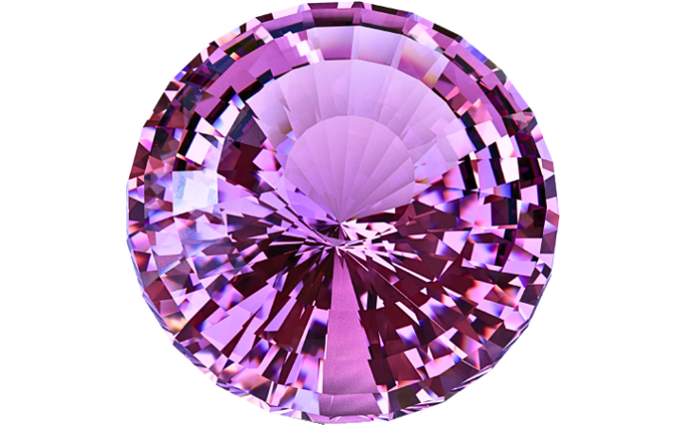
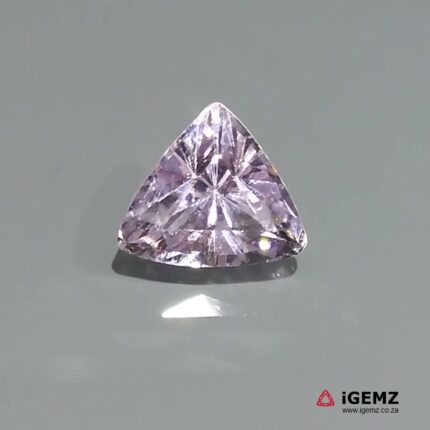
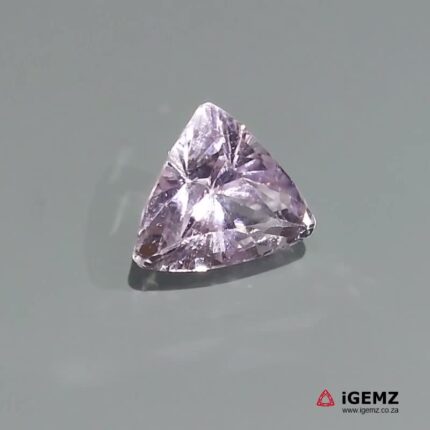
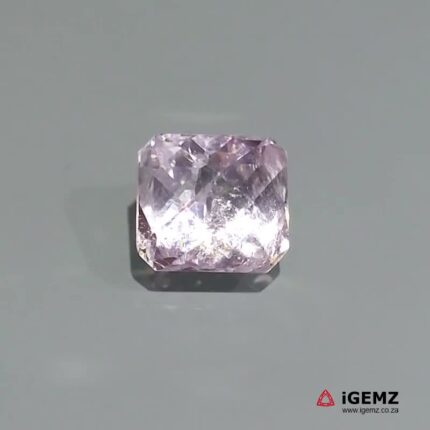
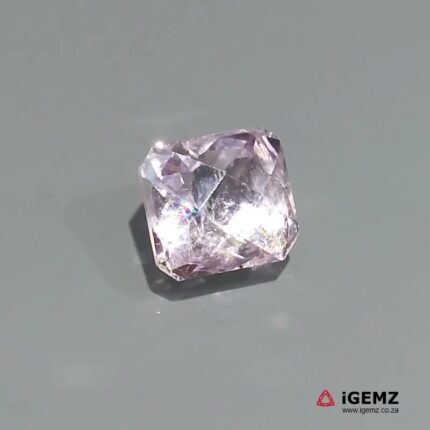
Kunzite
Buyer’s Guide
Quality, Composition, Colour & Value Explained
Discover how colour, clarity, treatments and cut influence kunzite value, and learn what truly determines quality before choosing your ideal pink gemstone.
A complete professional Kunzite Buyer’s Guide to understanding this gemstone’s quality, origin, treatments and value factors before purchasing.
History, Symbolism & Meaning of Kunzite
Origins and Historical Use

Kunzite, a relatively modern gemstone in terms of discovery, was first identified in 1902 by George Frederick Kunz, the famed American mineralogist. Its delicate pink to lilac hues quickly captured the attention of jewellers and collectors.
The stone was named after Kunz to honour his contributions to gemology. While historically less prominent than emerald or ruby, kunzite has been prized for its romantic colour and clarity, often appearing in elegant early 20th-century jewellery.

Ancient Beliefs and Spiritual Energy

Although a modern discovery, kunzite quickly became associated with emotional healing and spiritual connection. It is believed to open the heart chakra, encouraging love, empathy, and inner peace.
Kunzite is often recommended by metaphysical practitioners as a stone that calms the mind, releases tension, and supports emotional balance. Its soft pink tone is associated with compassion, forgiveness, and gentle energy.

Modern Symbolism and Collectibility

Today, kunzite is admired for its serene pink-violet colour and its ability to transmit soft, calming energy. Collectors value kunzite for its transparency, high clarity, and attractive size.
As a gemstone, it is often featured in pendants, earrings, and statement rings, and is particularly popular among those seeking a soft yet vibrant pink for contemporary jewellery. Kunzite is also the birthstone for July in some modern charts and is associated with love and emotional healing.
Physical & Optical Properties
Explore Kunzite’s Hardness, Lustre, Transparency, Refractive Index and Specific Gravity.
Understanding the gemological properties of kunzite helps determine durability, brilliance and long-term wear suitability.

Colour Range
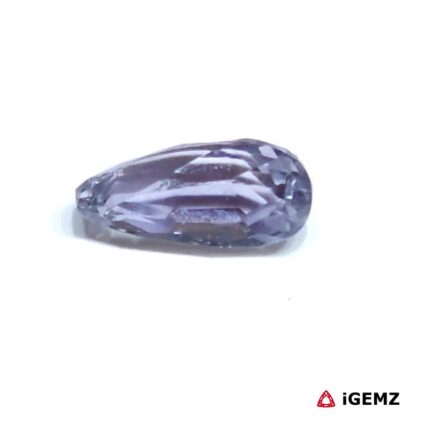
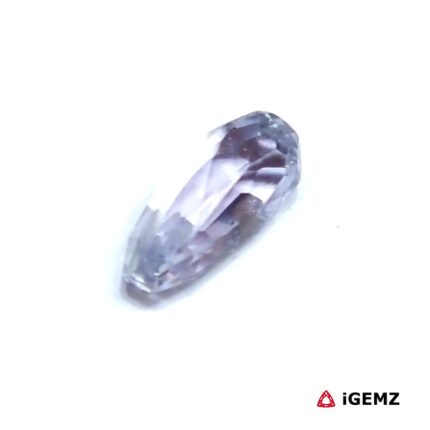
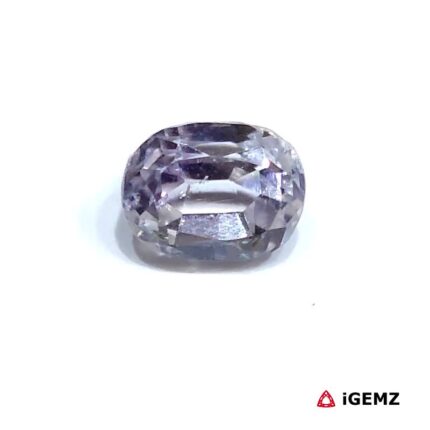
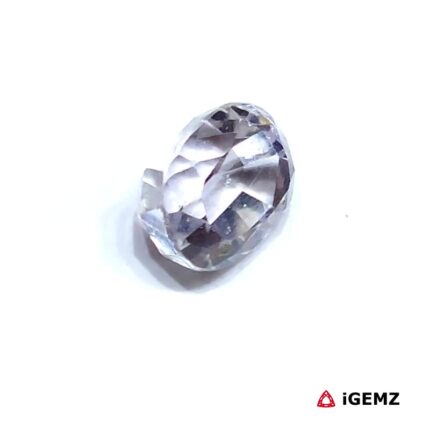
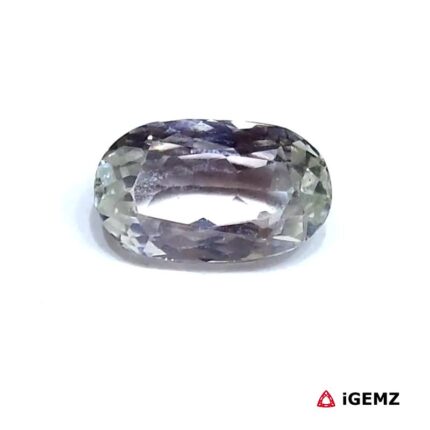
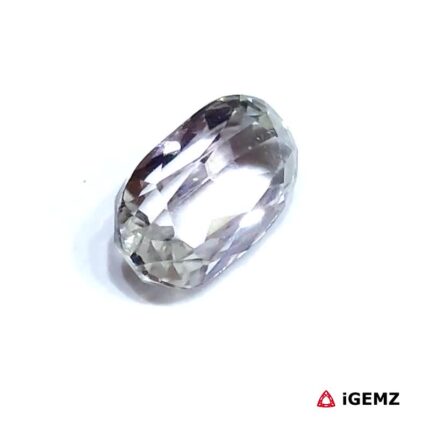
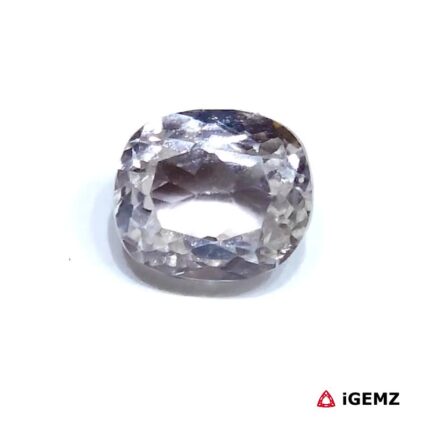
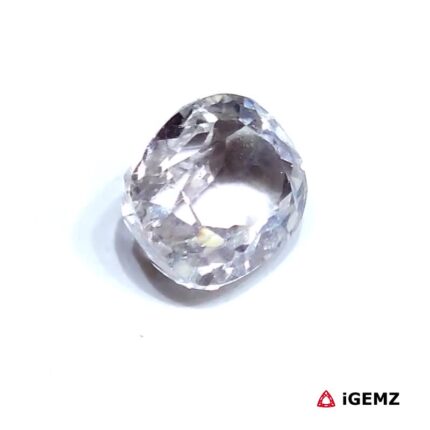
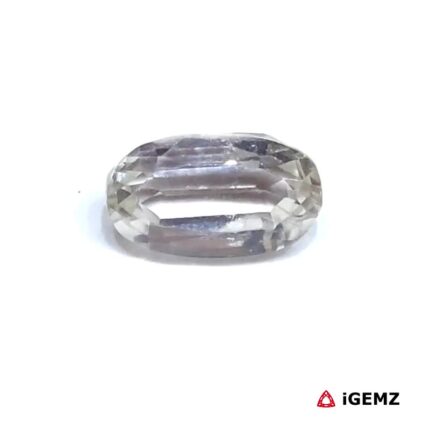
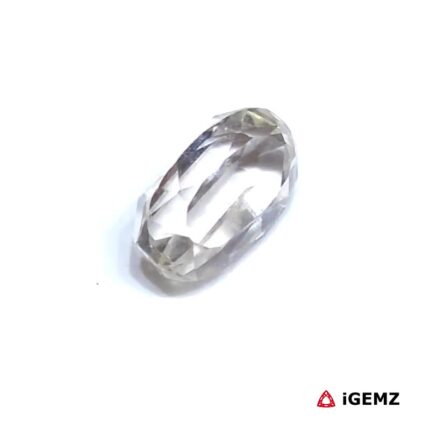
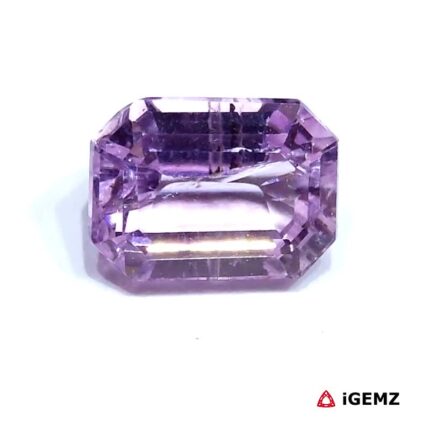
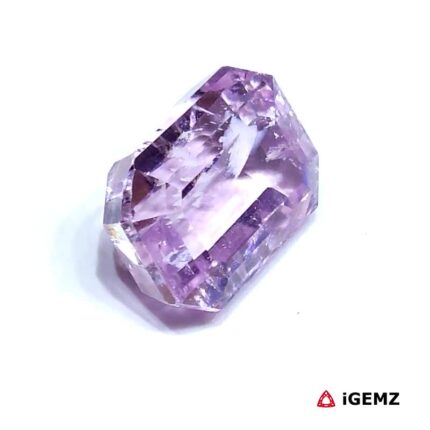
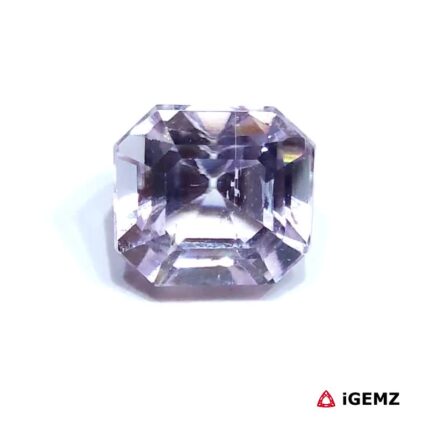
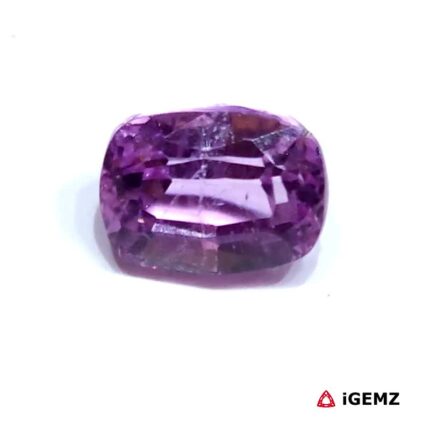
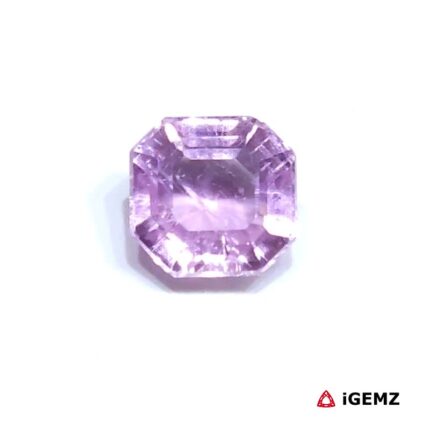
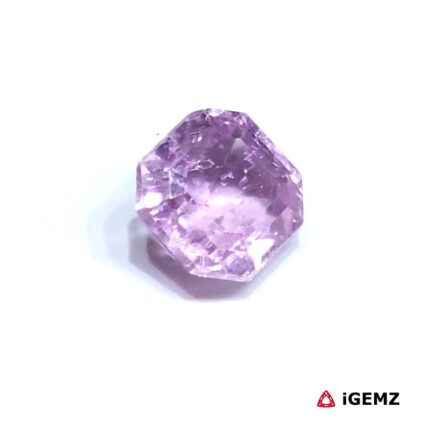
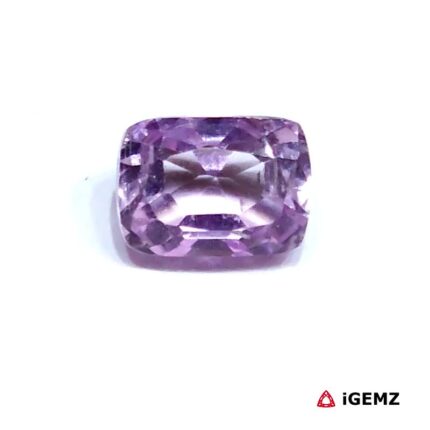
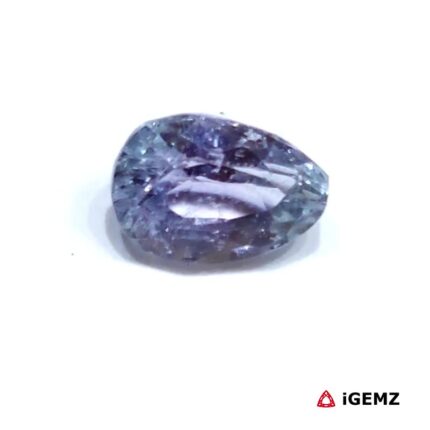
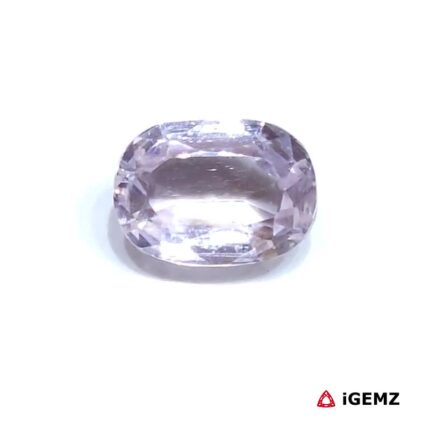
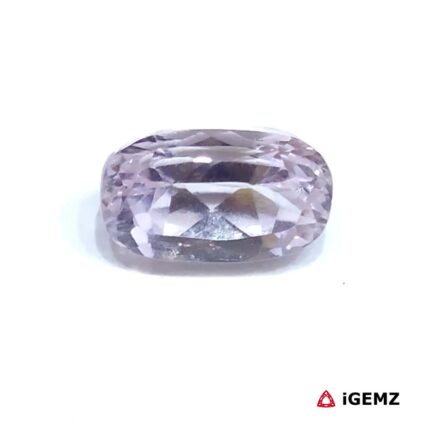
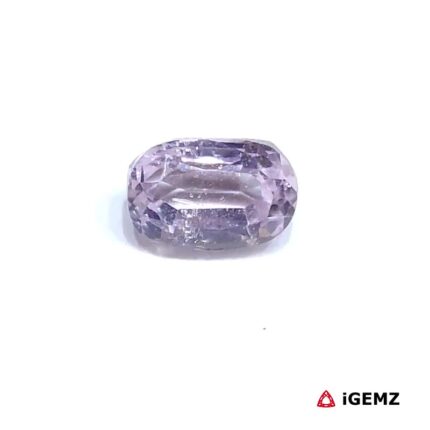
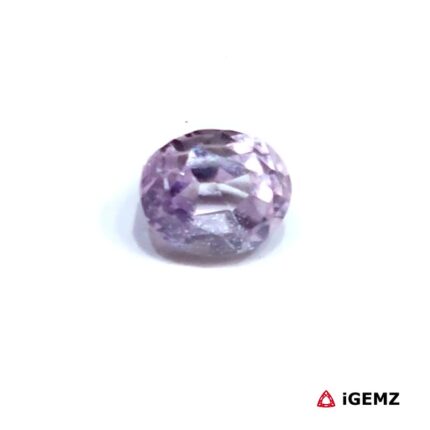
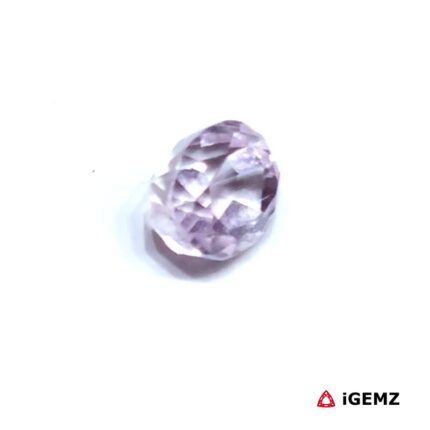
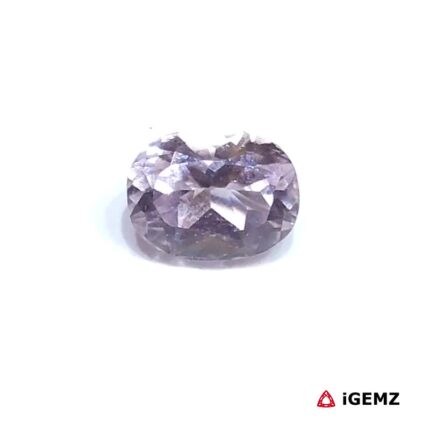
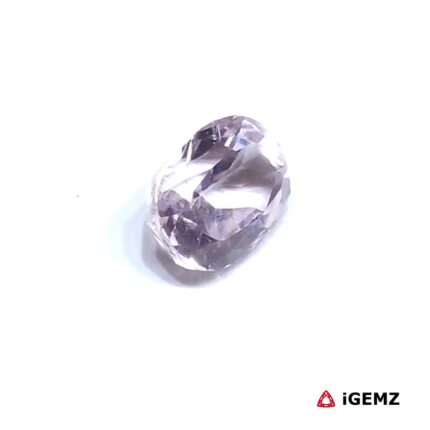
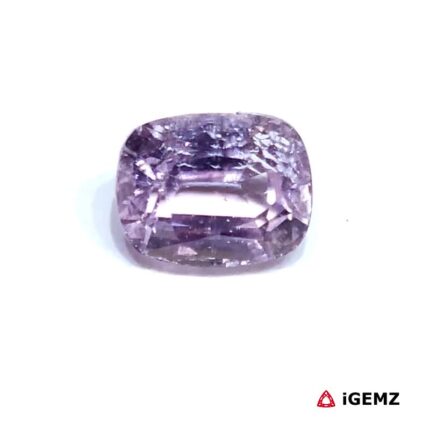
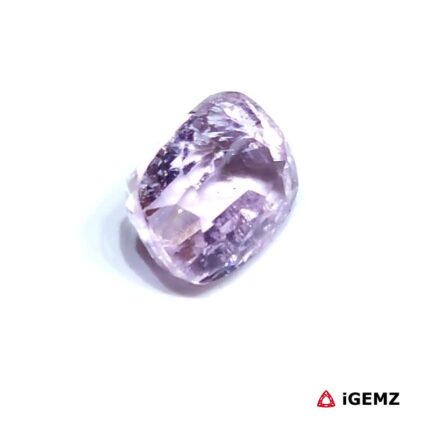
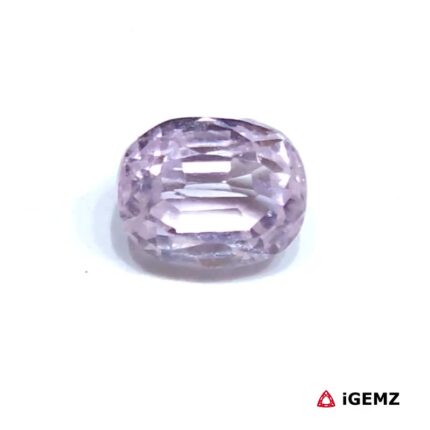
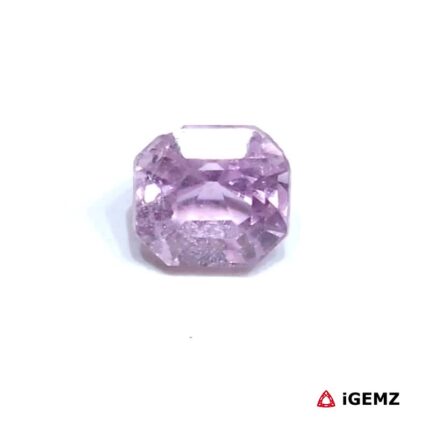
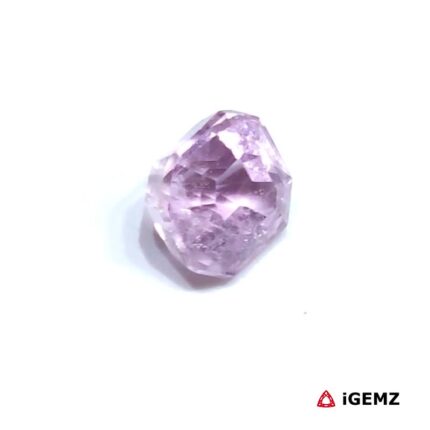
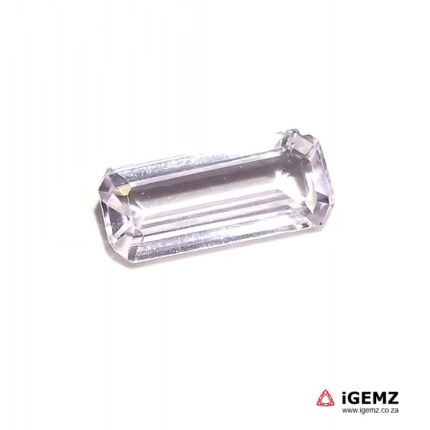
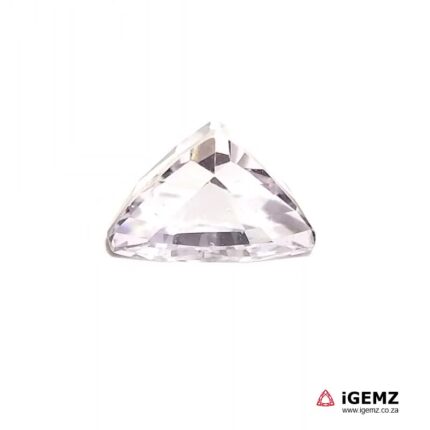
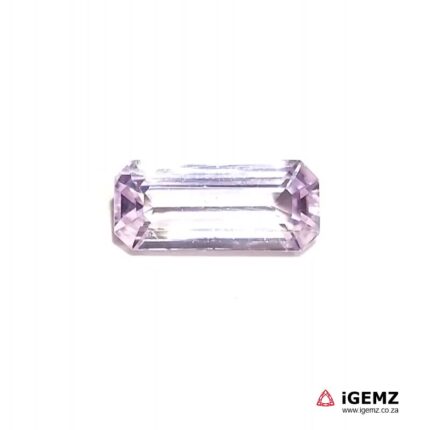
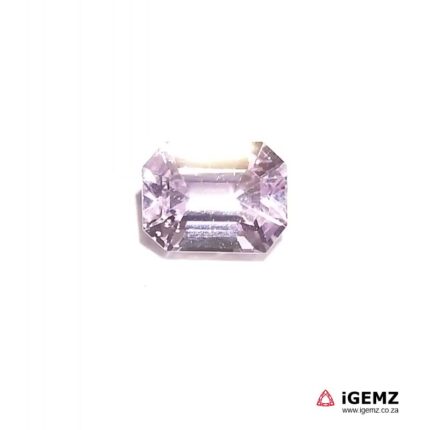
Kunzite occurs in shades of: Colourless, Soft pink, Lilac-pink, Deep rose. The most valuable stones display strong colour saturation without brown or grey overtones. Even, lively colour is preferred.

Chemical Formula
Kunzite has the LiAlSi₂O₆ chemical formula and belongs to the spodumene mineral group. Trace elements, particularly manganese, produce its characteristic pink to violet hue.

Composition
Lithium, Aluminium & Silicon – trace elements (manganese) produce the pink to violet colour.

Refractive Index
1.660 – 1.676, contributing to its brilliance and light reflection.

Lustre
Vitreous, offering a glass-like sparkle that enhances the gemstone’s softness.

Moh's Hardness & Durability
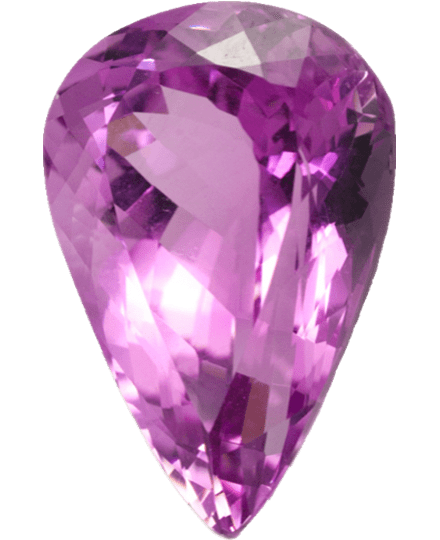
Kunzite has a Mohs hardness of 6.5 – 7. While suitable for most jewellery, it is somewhat softer than quartz and can be prone to cleavage. Protective settings are recommended for rings and bracelets.

Crystal System
Its crystal system is monoclinic, forming long prismatic crystals with excellent transparency and uniform colour.

Transparency
Transparent to semi-transparent, with high clarity typical in gem-quality stones.

Mineral Family
Kunzite belongs to the spodumene (inosilicate) mineral family.

Specific Gravity
3.18 – 3.21, slightly higher than quartz gemstones, typical for spodumene.
Origin, Treatment & Care
Kunzite is a rare pink-violet variety of spodumene. It is usually untreated, and its natural colour is one of the primary value factors. Light sensitivity is a consideration: prolonged exposure to sunlight can fade its colour over time. Understanding origin and proper care is important to preserve beauty and value.

Major Origins
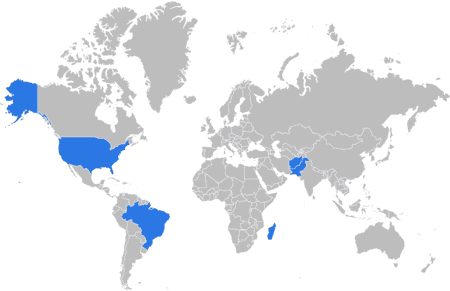
Major sources of kunzite include Afghanistan, Brazil, Madagascar, the United States (California), and Pakistan. Afghanistan produces some of the deepest pink stones, while Brazil is a major source for commercial gem-quality material.

Treatments
Kunzite is generally untreated. Some stones may be gently heat-treated to enhance colour, but this is uncommon. High-quality stones are valued for their natural, unaltered hues.

Care and Cleaning
Avoid prolonged sunlight, extreme heat, and harsh chemicals. Clean with warm water, mild soap and a soft brush. Kunzite is sensitive to scratches and cleavage, so store separately from harder gemstones and handle with care.
How Kunzite Quality & Value Are Determined
Understanding how kunzite is graded helps buyers select the finest stones. Value is determined by four main factors: colour, clarity, cut and carat weight. The most beautiful kunzite balances all these elements, resulting in a gemstone with exceptional charm and longevity.
Colour
Colour is the most critical factor in determining kunzite value. High-quality kunzite exhibits:
- A vivid soft pink to lilac-pink hue
- Even colour distribution throughout the gemstone
- Absence of brown or grey undertones
- Bright, lively saturation
Faint or washed-out pink stones are less desirable, while overly dark stones can appear heavy. Premium kunzite has a delicate yet vibrant pink colour.
Clarity
Kunzite is generally expected to have excellent clarity. High-value stones are:
- Eye-clean with minimal inclusions
- Transparent with strong light transmission
- Free from visible fractures that affect durability
Because kunzite often forms in long, clear crystals, stones with inclusions are less common and lower in value.
Cut
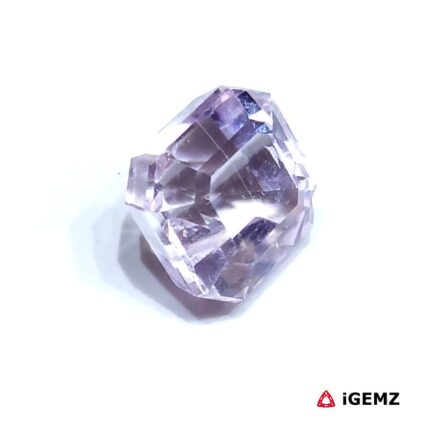
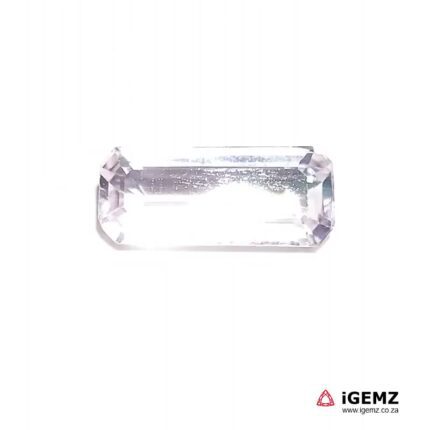
Cut affects both colour display and brilliance. Kunzite is often faceted in oval, emerald or cushion cuts to maximise colour and protect against cleavage. Important cut aspects include:
- Symmetrical facet arrangement
- Correct depth for optimal sparkle
- Smooth and even polish
- Preservation of stone integrity along cleavage planes
Well-cut stones display lively colour and soft brilliance, even in larger sizes.
Carat Weight
Large kunzite stones are more common than many other gemstones but retain higher value if colour and clarity are strong.
Considerations include:
- Larger stones with excellent pink-violet colour command higher prices
- Even medium-sized stones with strong colour may surpass larger, pale stones in value
- Carat weight should complement colour and clarity for balanced aesthetics
The Balance of the Four Factors
True value arises when colour, clarity, cut and carat weight are harmoniously balanced.
A premium kunzite gemstone should display:
- Eye-clean clarity
- Precise, symmetrical cutting
- Evenly distributed soft pink-violet colour
- Proportional size with gentle brilliance
When aligned, these factors create a gemstone of refined elegance, ideal for collectors and jewellery enthusiasts alike.
International Pricing Trends – per carat
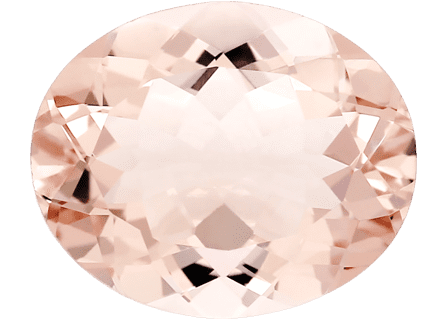
Understanding kunzite pricing helps buyers make informed decisions. Prices vary based on colour saturation, clarity, and size. Fine deep-pink stones and larger transparent crystals command strong demand internationally.
Estimated Average International Kunzite Prices (Good Quality) – Per Carat
| Weight | ZAR | USD | EUR | JPY | GBP | AUD | CAD | CHF | CNY | HKD | NZD | Market Signal |
|---|---|---|---|---|---|---|---|---|---|---|---|---|
| Under 1 carat | Size is widely available | |||||||||||
| 1 - 2 carat | Increasingly popular | |||||||||||
| 2 - 3 carats | Strong demand | |||||||||||
| 3 - 4 carats | Remain desirable | |||||||||||
| 4 - 6 carats | Scarcer in larger sizes | |||||||||||
| 6 - 8 carats | Exceptional stones |










Frequently Asked Questions
Is kunzite a natural pink gemstone?
Yes. Kunzite is a naturally occurring pink to lilac variety of spodumene, prized for its delicate colour and clarity.
Does kunzite fade in sunlight?
Prolonged exposure to direct sunlight or intense heat can cause kunzite’s pink colour to fade over time. Store away from sunlight to maintain vibrancy.
Are kunzite gemstones treated?
Most kunzite is sold untreated. Heat treatment is uncommon, and natural colour is a major factor in determining value.
How hard is kunzite?
Kunzite has a Mohs hardness of 6.5–7, which makes it suitable for pendants and earrings. Rings require careful settings due to cleavage risk.
Can kunzite be worn daily?
Yes, but caution is advised. Avoid knocks, harsh chemicals and prolonged sunlight exposure. Protective settings help preserve the stone.
What determines kunzite’s value?
The main factors are colour, clarity, cut and carat weight. Vivid soft pink to lilac colour combined with high clarity and precise cutting ensures the highest value.

Buy With Confidence
Professionally inspected gemstones
Full transparency on treatments
Worldwide shipping
Secure checkout
Ready to own the beauty of
KUNZITE?
Now that you understand the history, symbolism and quality factors behind kunzite, you can select a gemstone that combines delicate pink beauty with refined elegance. Ideal for rings, pendants and bespoke jewellery, kunzite’s soft hue and clarity make it a charming addition to any collection. Its subtle vibrance, gentle energy and affordability compared to other precious gemstones make kunzite a sophisticated and versatile choice.
Pink Elegance
Emotional Healing
Love Gemstone
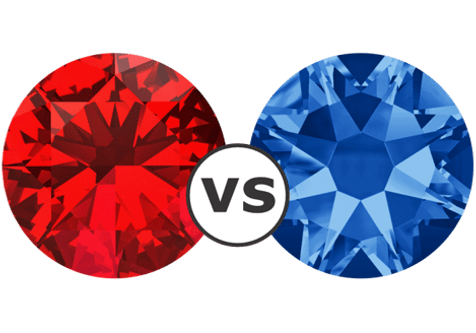
COMPARE GEMSTONES WITH CONFIDENCE
Gemstone Comparison Guides
Choosing between two beautiful gemstones can be challenging. Our professional Gemstone Comparison Guides help you clearly understand the differences between popular gemstones so you can make a confident and informed choice.
Each comparison explores the key factors that influence gemstone quality and value, including colour, clarity, durability, rarity and typical treatments. You will also learn how similar-looking gemstones differ in appearance, composition, hardness and more.

HERE IS ALL THE PROFESSIONAL INFORMATION YOU NEED
Gemstone Buyer's Guides
Buying a gemstone should be exciting — but understanding quality, rarity and value is essential before making the right choice. Our professional Gemstone Buyer’s Guides help you understand how colour, clarity, cut and treatments influence the beauty and value of different gemstones.
Each guide explains the key quality factors used by gemologists, including gemstone composition, colour grading, natural inclusions, treatments and origin. You will also learn how these factors affect rarity, durability and market value.
Beryl Family
Feldspar Gemstones
Pyroxene Gemstones
Spodumene Family
Chalcedony & Agate
Quartz Gemstones
Amethyst
Ametrine
Citrine
Prasiolite
Quartz
Rose Quartz
Rutile Quartz
Smoky Quartz
Rare & Collector Gemstones
Apatite
Chrysoberyl
Clinozoisite
Fluorite
Grandidierite
Iolite
Jade
Kyanite
Lapis Lazuli
Phosphosiderite
Prehnite
Serendibite
Sillimanite
Sphene
Sugilite
Vesuvianite