


 1st - Gold

 January
  February
  March
March  April
April  May
May  June
June  July
July  August
  September
  October
  November
  December
 Capricorn - Garnet
  Aquarius - Amethyst
  Pisces - Aquamarine
  Aries - Diamond
  Taurus - Emerald
  Gemini - Pearl
  Cancer - Ruby
  Leo - Peridot
  Virgo - Blue Sapphire
  Libra - Opal
  Scorpio - Topaz
  Sagittarius - Tanzanite


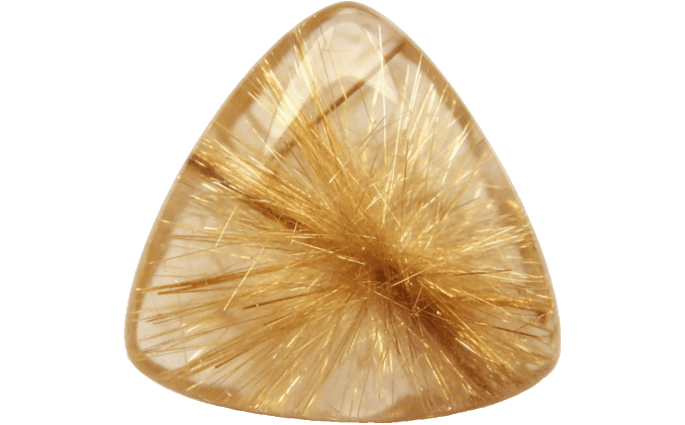
Rutile Quartz
Buyer’s Guide
Quality, Composition, Colour & Value Explained
Discover how colour, clarity, rutile inclusions and cut influence rutile quartz value, and learn what truly determines quality before choosing your ideal gemstone.
A complete professional Rutile Quartz Buyer’s Guide guide to understanding this gemstone’s quality, origin, inclusions and value factors before purchasing.
Rutile Quartz Meaning, History & Symbolism
Origins and Historical Use

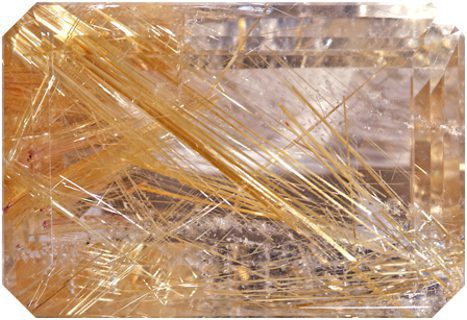
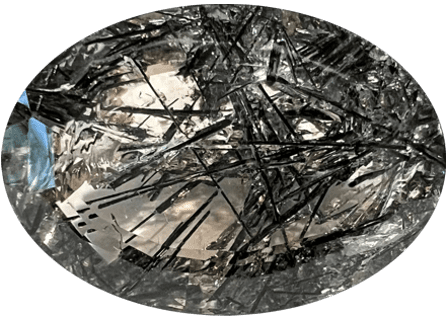
Rutile quartz has been admired for centuries for its striking needle-like inclusions suspended within clear quartz. These fine rutile strands, often golden, copper or silver in colour, create unique internal patterns that distinguish each gemstone. Historically, rutile quartz was used as a decorative stone and talisman, valued for its unusual appearance and natural beauty.
The name “rutile” comes from the Latin word rutilus, meaning “reddish” or “glowing”, referring to the warm tones often seen in the inclusions. Over time, rutile quartz became a collector’s gemstone due to its individuality and natural artistry.

Ancient Beliefs and Spiritual Energy

Rutile quartz has long been associated with energy amplification and clarity of thought. Ancient beliefs held that the rutile needles acted as channels of energy, enhancing focus, intuition and spiritual awareness.
It is often linked to mental clarity and emotional balance, with some traditions suggesting it helps release negative energy while promoting positivity and confidence. The golden rutile variety, in particular, is associated with vitality and personal strength.
Modern Symbolism and Collectibility

Today, rutile quartz is highly valued for its visual uniqueness. No two stones are identical, making each piece a natural work of art. Collectors seek well-defined rutile inclusions with strong contrast against a transparent host crystal.>/p>
Modern gemstone enthusiasts appreciate rutile quartz for both its aesthetic appeal and symbolic meaning. It is often regarded as a gemstone of transformation, creativity and individuality, making it popular in bespoke and statement jewellery.
Rutile Quartz Properties & Composition
EXPLORE RUTILE QUARTZ’S HARDNESS, LUSTRE, TRANSPARENCY, REFRACTIVE INDEX AND SPECIFIC GRAVITY.
Understanding the gemological properties of Rutile Quartz helps determine durability, brilliance and long-term wear suitability.

Colour Range
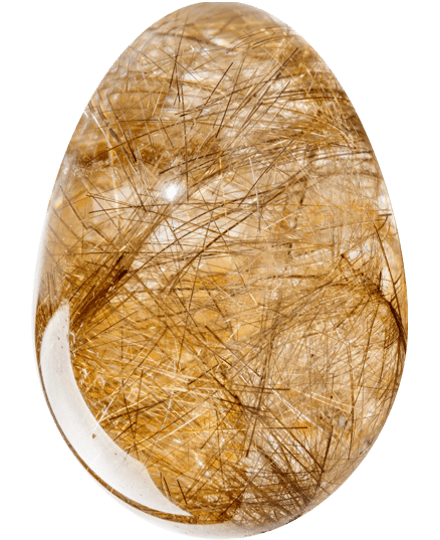
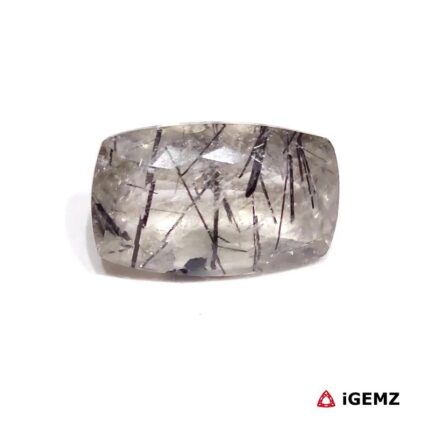
Rutile quartz occurs in combinations of: Colourless quartz with inclusions of Gold, Copper, Silver, Black or Reddish-brown rutile needles. The most valuable stones display strong contrast and well-defined inclusions.

Chemical Formula
Rutile quartz consists of SiO₂ (quartz) with inclusions of TiO₂ (rutile). The rutile inclusions are responsible for the internal needle-like structures.

Composition
Silicon & Oxygen (quartz) with Titanium Dioxide inclusions (rutile).

Refractive Index
1.544 – 1.553, typical of quartz, providing moderate brilliance.

Lustre
Vitreous, producing a bright glass-like surface lustre.

Moh's Hardness & Durability
Rutile quartz has a Mohs hardness of 7, making it suitable for most jewellery applications. However, the presence of inclusions can create internal stress points, so care should be taken to avoid sharp impacts.

Crystal System
Its crystal system is hexagonal, forming six-sided quartz crystals with embedded rutile needles.

Transparency
Transparent to translucent, depending on the density and distribution of rutile inclusions.

Mineral Family
Rutile quartz belongs to the quartz (silicate) mineral family.

Specific Gravity
Approximately 2.65 – 2.70, slightly variable depending on rutile content.
Rutile Quartz Origin, Treatment & Care
Rutile quartz forms when titanium dioxide crystals grow within quartz during formation. These inclusions create distinctive internal patterns that define the gemstone’s value. Most rutile quartz is natural and untreated, making it highly desirable among collectors. With proper care, it is durable enough for everyday jewellery use.

Major Origins
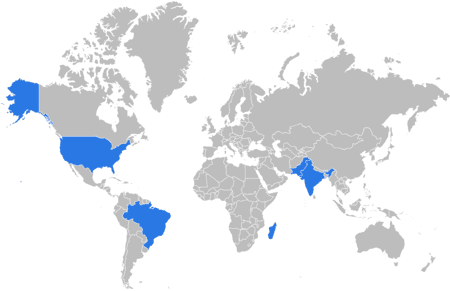
Major sources of rutile quartz include Brazil, Madagascar, India, Australia and the United States. Brazil and Madagascar are particularly known for producing high-quality specimens with well-defined inclusions.

Treatments
Rutile quartz is typically untreated. High-quality stones are natural, with no need for enhancement. This adds to the gemstone’s appeal and authenticity.

Care and Cleaning
Clean with warm water, mild soap and a soft brush. Avoid ultrasonic cleaners if the stone has significant inclusions, as internal stress points may increase the risk of damage. Store separately to prevent scratching.
How Rutile Quartz Quality & Value Are Determined
Understanding how Rutile Quartz is graded helps you compare gemstones confidently and recognise genuine quality. Value is influenced by four primary factors: colour, clarity, inclusion quality and cut. When these elements align, the result is a gemstone with striking visual appeal and strong collector value.
Rutile Quartz Colour and Inclusion Quality
In rutile quartz, colour refers both to the clarity of the quartz and the colour of the rutile inclusions. High-quality stones typically display:
- Clear or slightly tinted quartz host
- Strong contrast between quartz and inclusions
- Attractive rutile colours such as gold or copper
- Even visual balance across the stone
Dull or muddy appearance reduces value, while vibrant contrast enhances visual impact.
Rutile Quartz Clarity Explained
Clarity in rutile quartz is evaluated differently from other gemstones. Instead of being completely inclusion-free, desirable stones show:
- Transparent quartz host material
- Well-defined, visible rutile needles
- Minimal cloudiness outside of inclusions
- Good overall light transmission
Excessive cloudiness or poorly defined inclusions can reduce brilliance and desirability.
Rutile Quartz Cut and Pattern Orientation
Cut is essential in showcasing the beauty of rutile inclusions. A well-cut stone will position the inclusions to maximise visual effect. Important considerations include:
- Orientation of rutile needles
- Balanced proportions
- Symmetry and polish
- Maximised visibility of inclusions
Cabochon and faceted cuts are both used, depending on the inclusion pattern and transparency.
Rutile Quartz Carat Weight and Size Impact
Larger rutile quartz stones are more common than many other gemstones, but value still increases with size when quality is high.
When comparing stones:
- Larger stones with strong, attractive inclusions are highly desirable
- Fine patterns become more impressive at larger sizes
- Balance between size and clarity remains important
Collector-grade stones often combine size with striking internal patterns.
The Balance of the Four Factors
True value is determined by how colour, clarity, inclusion quality and carat weight work together.
A premium rutile quartz gemstone should display:
- Clear quartz with strong transparency
- Well-defined, aesthetically pleasing rutile inclusions
- Balanced and intentional cutting
- Good size with strong visual impact
When these characteristics align, rutile quartz becomes a unique and highly collectible gemstone.
Rutile Quartz Price Per Carat
Understanding rutile quartz pricing helps buyers assess value. As a variety of quartz, it remains relatively affordable, but exceptional stones with strong inclusion patterns and high clarity command premium prices. Larger stones with striking visual contrast are particularly sought after.
Estimated Average International Rutile Quartz Prices (Good Quality) – Per Carat
| Weight | ZAR | USD | EUR | JPY | GBP | AUD | CAD | CHF | CNY | HKD | NZD | Market Signal |
|---|---|---|---|---|---|---|---|---|---|---|---|---|
| Under 1 carat | Small rutile gemstones | |||||||||||
| 1 - 2 carats | Increased desirability | |||||||||||
| 2 - 3 carats | Stronger demand | |||||||||||
| 3 - 4 carats | More collectable | |||||||||||
| 4 - 6 carats | Clarity in demand | |||||||||||
| 6 - 8 carats | Command premium prices |
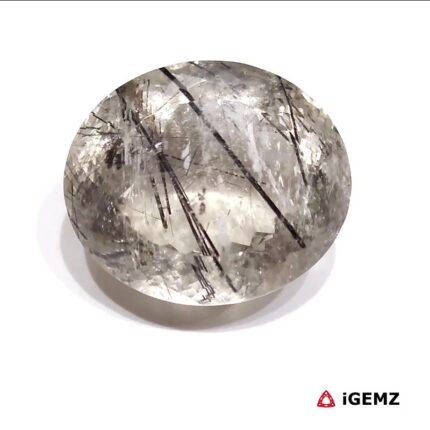
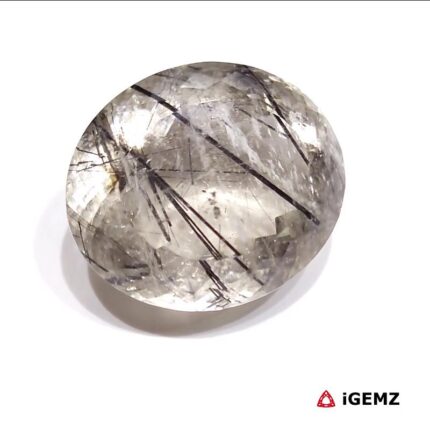
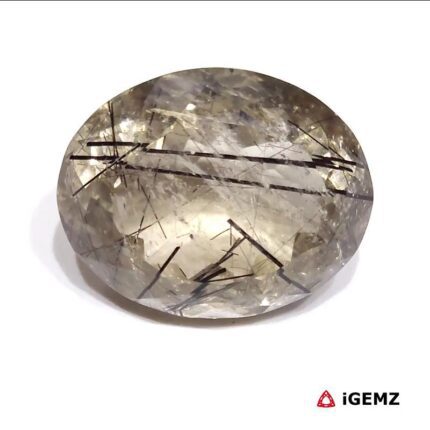
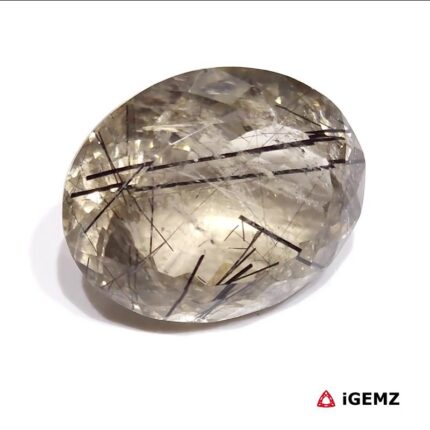
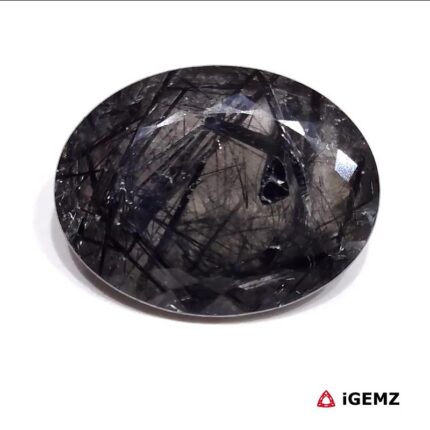
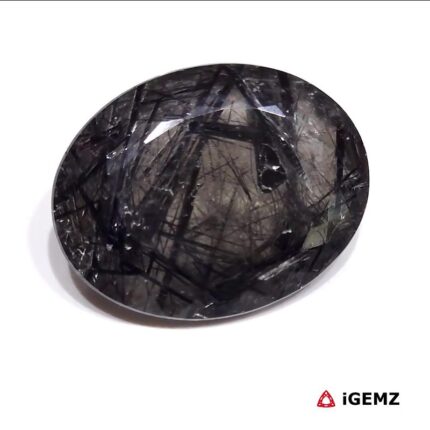
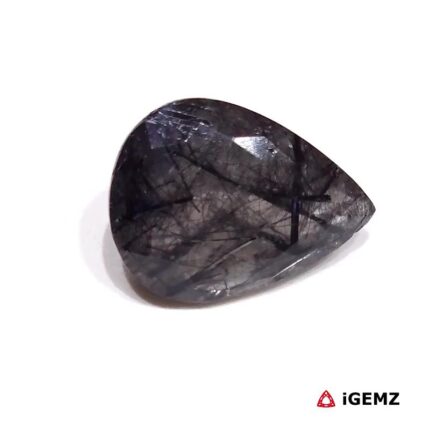
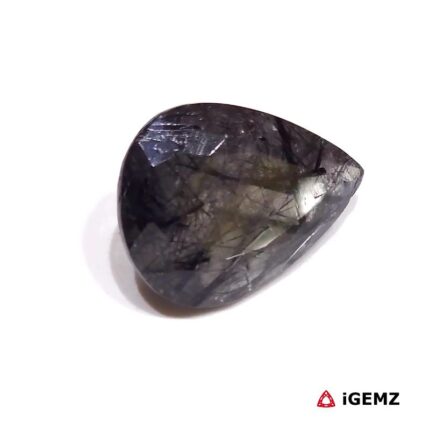
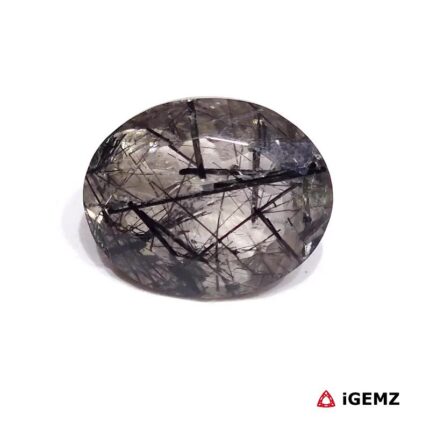
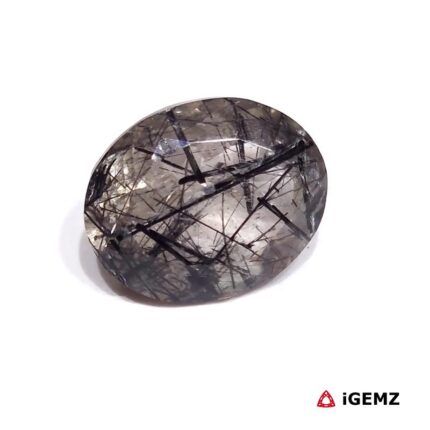
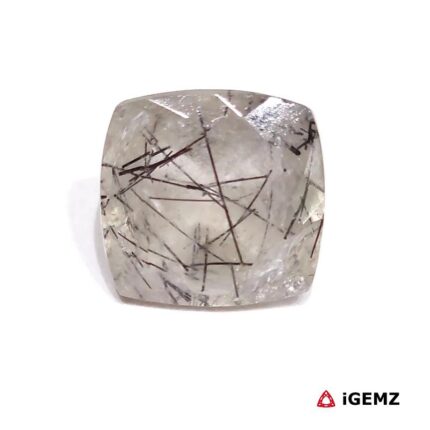
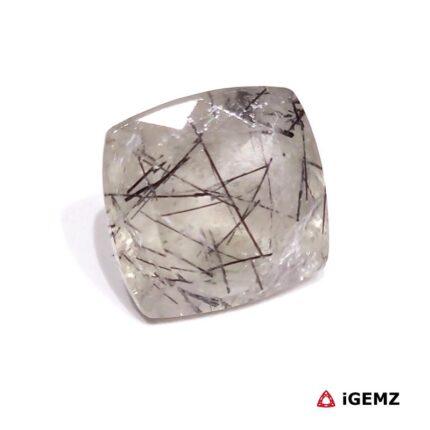
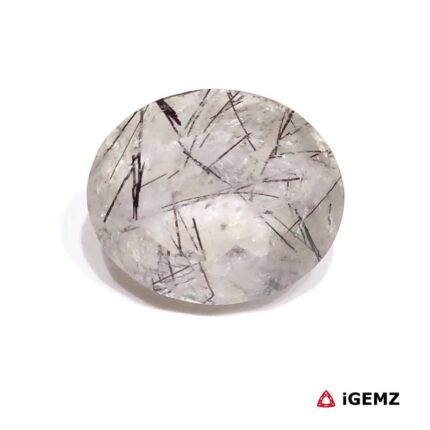
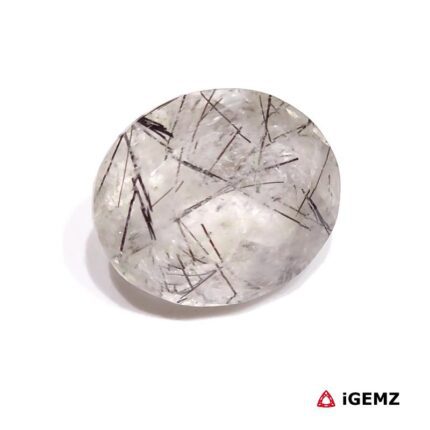
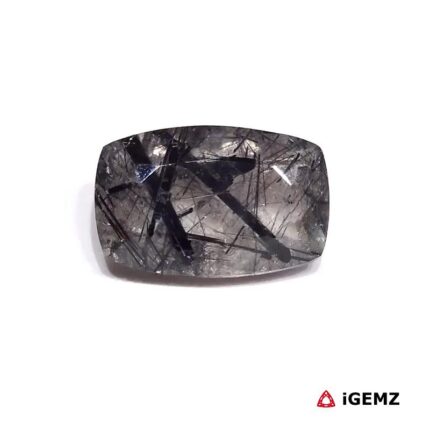
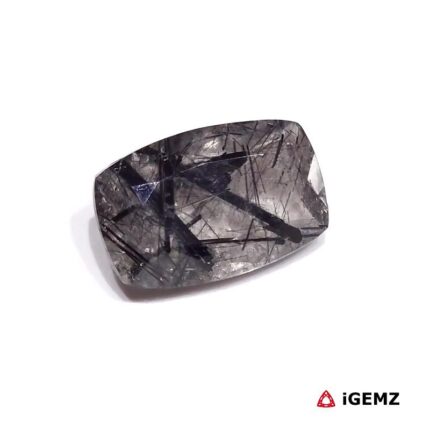
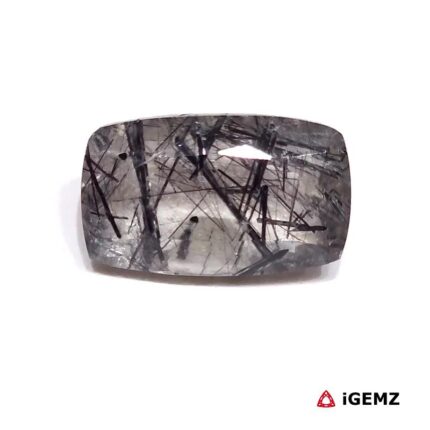
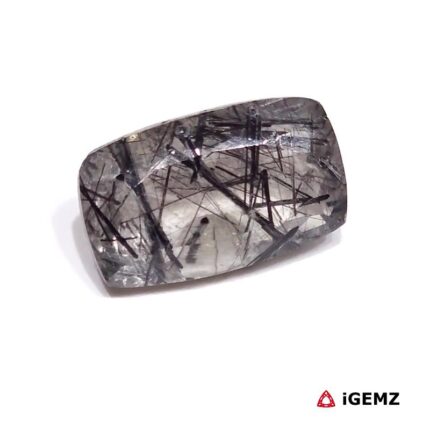
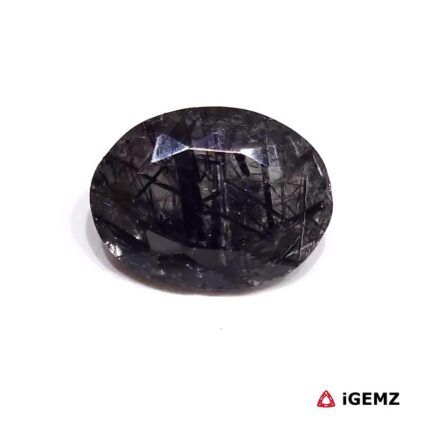
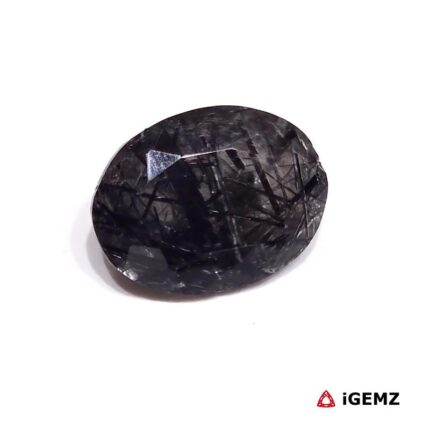
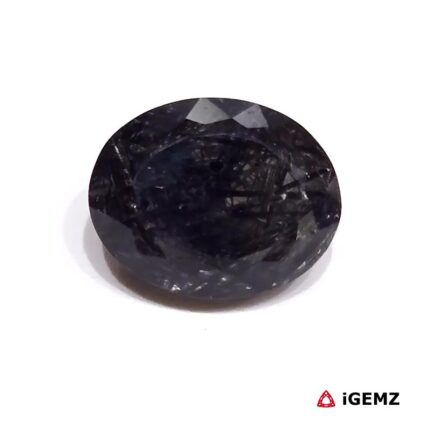
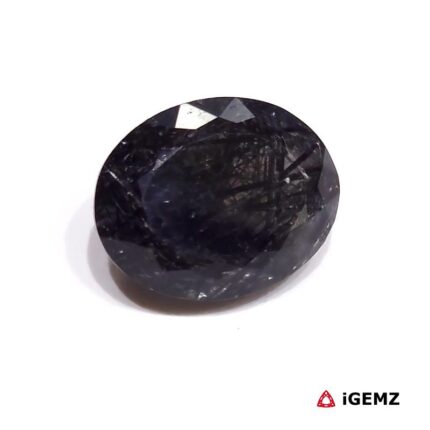
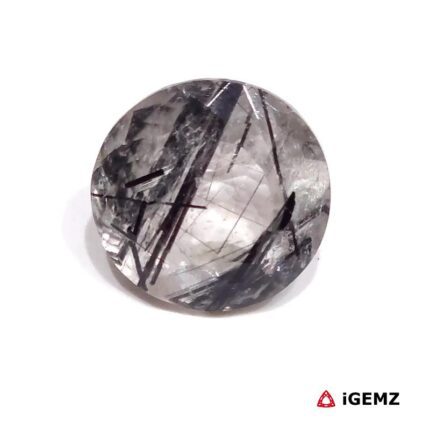

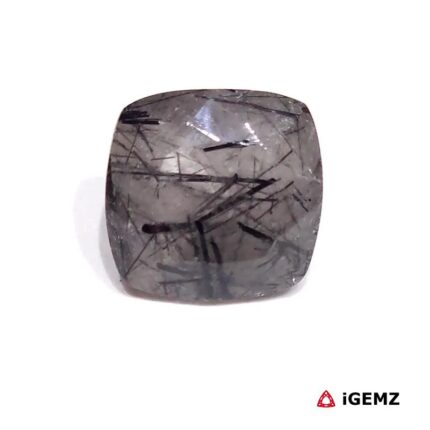
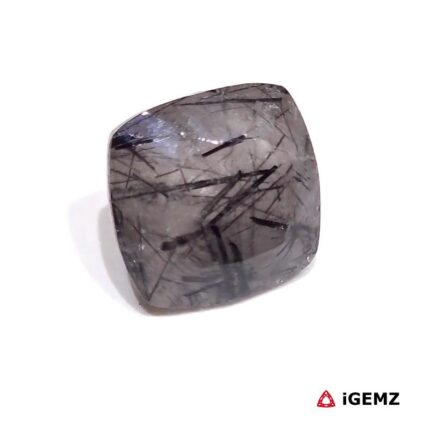
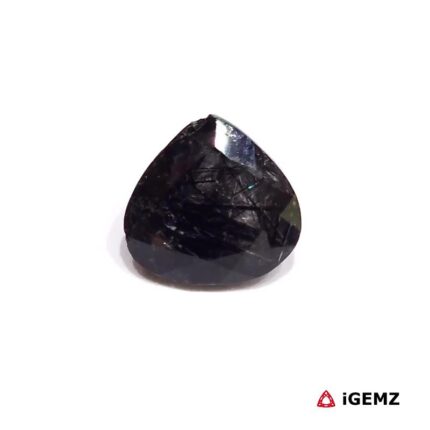
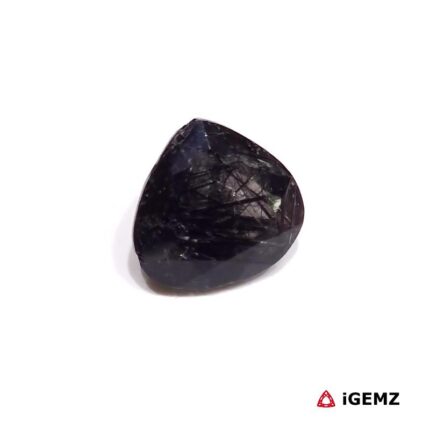
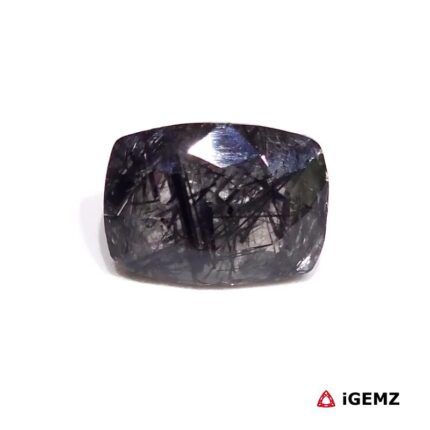
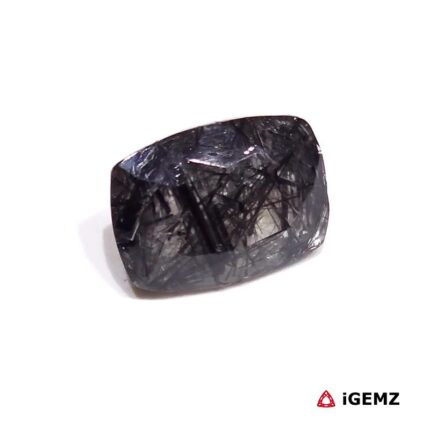
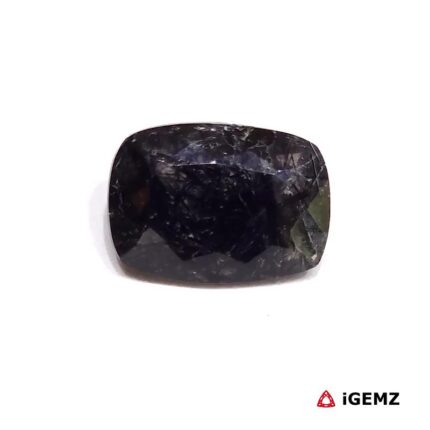
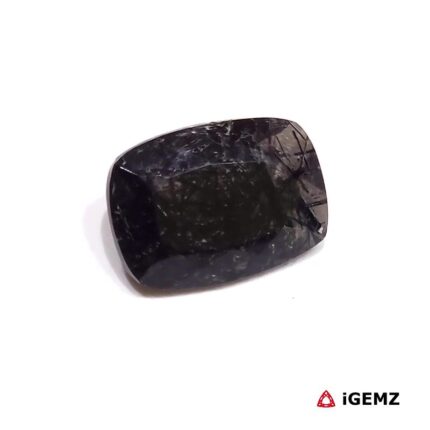
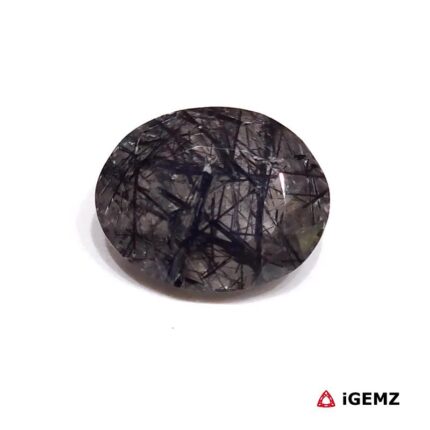
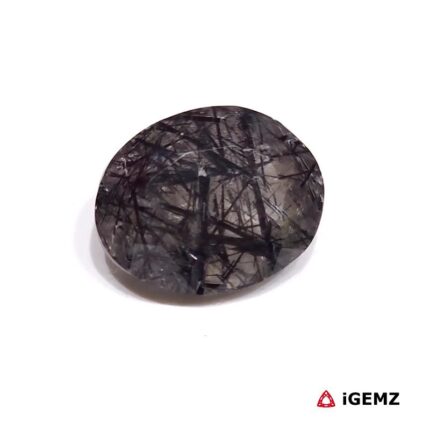
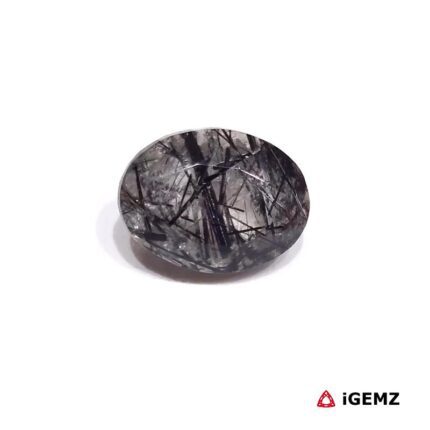
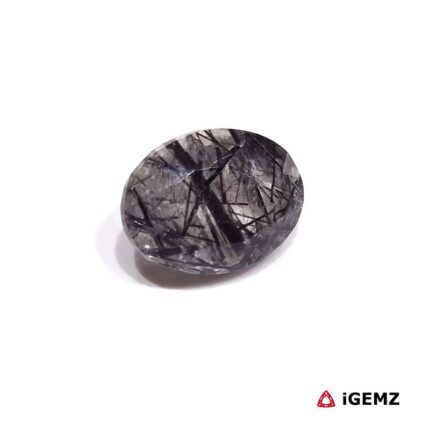
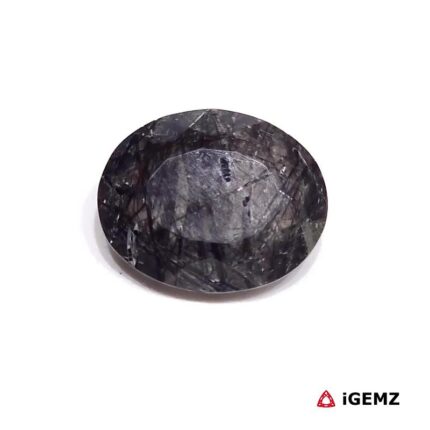
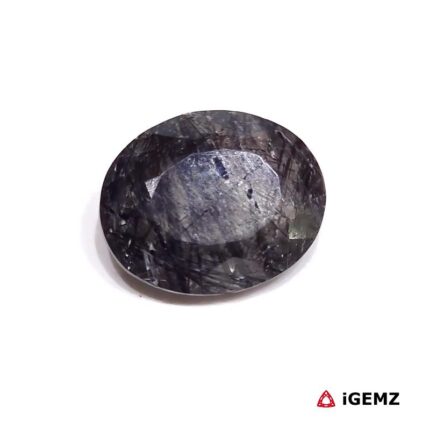
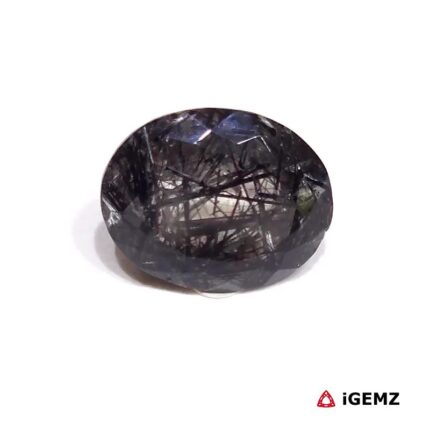
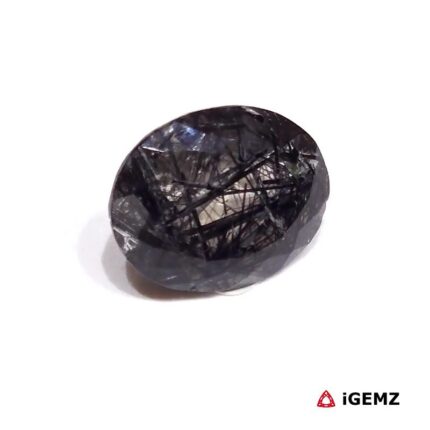
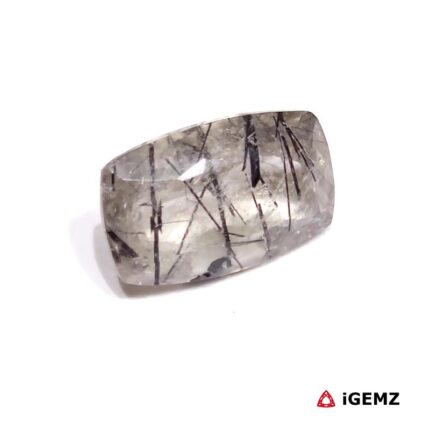
6.84 ct Black Quartz Rutile – iGemz29309
SKU:
iGemz29309
Original price was: 64.00€.44.80€Current price is: 44.80€.
Rutile Quartz FAQs
What makes rutile quartz valuable?
The value is determined by the clarity of the quartz and the quality, colour and pattern of the rutile inclusions.
Is rutile quartz natural?
Yes. Most rutile quartz is completely natural and untreated, which adds to its appeal.
What colours do rutile inclusions come in?
They can appear gold, copper, silver, black or reddish-brown, depending on the composition and formation conditions.
Is rutile quartz suitable for everyday wear?
Yes. With a Mohs hardness of 7, it is suitable for most jewellery, although care should be taken to avoid impacts.
Are all rutile quartz stones unique?
Yes. Each stone has a completely unique inclusion pattern, making every piece one of a kind.
How do I choose a high-quality rutile quartz?
Look for clear quartz, strong contrast, well-defined inclusions and a balanced, attractive pattern.

Buy With Confidence
Professionally inspected gemstones
Full transparency on treatments
Worldwide shipping
Secure checkout
Ready to own the beauty of
RUTILE QUARTZ?
Now that you understand the history, symbolism and quality factors behind rutile quartz, the natural next step is to secure your own gemstone. Admired for its striking internal patterns and natural individuality, rutile quartz offers a unique alternative to traditional gemstones.
Its combination of transparency and golden needle inclusions creates a captivating visual effect, ideal for statement jewellery. Combining natural artistry, durability and affordability, rutile quartz is a distinctive addition to any gemstone collection.
Natural Artistry
Unique Patterns
Striking Contrast
COMPARE GEMSTONES WITH CONFIDENCE
Gemstone Comparison Guides
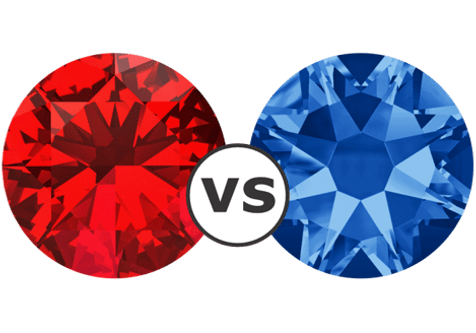
Choosing between two beautiful gemstones can be challenging. Our professional Gemstone Comparison Guides help you clearly understand the differences between popular gemstones so you can make a confident and informed choice.
Each comparison explores the key factors that influence gemstone quality and value, including colour, clarity, durability, rarity and typical treatments. You will also learn how similar-looking gemstones differ in appearance, composition, hardness and more.

HERE IS ALL THE PROFESSIONAL INFORMATION YOU NEED
Gemstone Buyer's Guides
Buying a gemstone should be exciting — but understanding quality, rarity and value is essential before making the right choice. Our professional Gemstone Buyer’s Guides help you understand how colour, clarity, cut and treatments influence the beauty and value of different gemstones.
Each guide explains the key quality factors used by gemologists, including gemstone composition, colour grading, natural inclusions, treatments and origin. You will also learn how these factors affect rarity, durability and market value.
Beryl Family
Feldspar Gemstones
Pyroxene Gemstones
Spodumene Family
Chalcedony & Agate
Quartz Gemstones
Amethyst
Ametrine
Citrine
Prasiolite
Quartz
Rose Quartz
Rutile Quartz
Smoky Quartz
Rare & Collector Gemstones
Apatite
Chrysoberyl
Clinozoisite
Fluorite
Grandidierite
Iolite
Jade
Kyanite
Lapis Lazuli
Phosphosiderite
Prehnite
Serendibite
Sillimanite
Sphene
Sugilite
Vesuvianite