


 1st - Gold

 January
  February
  March
March  April
April  May
May  June
June  July
July  August
  September
  October
  November
  December
 Capricorn - Garnet
  Aquarius - Amethyst
  Pisces - Aquamarine
  Aries - Diamond
  Taurus - Emerald
  Gemini - Pearl
  Cancer - Ruby
  Leo - Peridot
  Virgo - Blue Sapphire
  Libra - Opal
  Scorpio - Topaz
  Sagittarius - Tanzanite


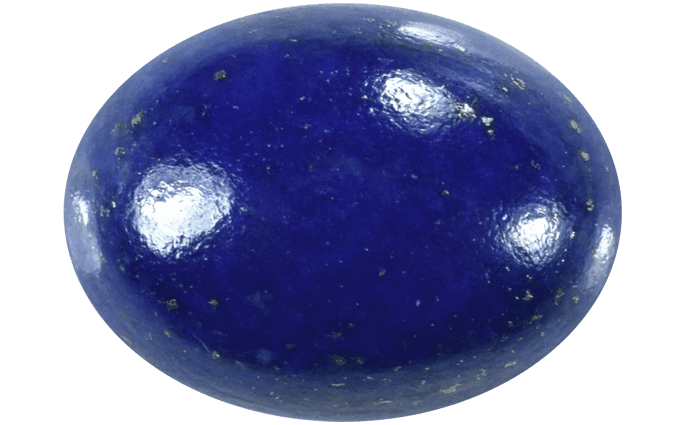
Lapis Lazuli
Buyer’s Guide
Quality, Composition, Colour & Value Explained
Discover how colour, composition, inclusions and polish influence lapis lazuli value, and learn what truly determines quality before choosing your ideal deep blue gemstone.
A complete professional Lapis Lazuli Buyer’s Guide to understanding this gemstone’s quality, origin, treatments and value factors before purchasing.
History, Symbolism & Meaning of Lapis Lazuli
Origins and Historical Use

Lapis lazuli is one of the oldest known gemstones, prized for its intense blue colour for over 6 000 years. Ancient civilisations such as the Egyptians, Mesopotamians and Greeks used it in jewellery, amulets, carvings and ceremonial artefacts.
Its name comes from the Latin lapis, meaning stone, and the Persian lāzhward, referring to the blue colour. Historically, lapis lazuli was associated with royalty, spiritual insight, and divine favour. The stone was often ground into powder to create ultramarine pigment for painting and decoration.
Ancient Beliefs and Spiritual Energy

Lapis lazuli has long been associated with wisdom, truth, and inner vision. Ancient cultures believed it enhanced communication, intellectual ability, and spiritual awareness.
In spiritual practice, lapis lazuli is linked to the third eye and throat chakras, encouraging insight, clarity, and honest expression. It is considered a protective stone that shields the wearer from negative energy while promoting mental focus.
Modern Symbolism and Collectibility

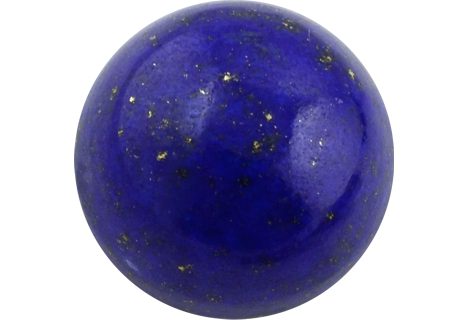
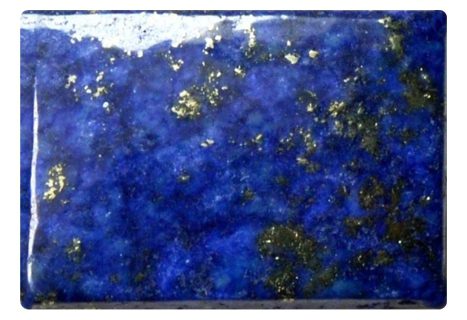
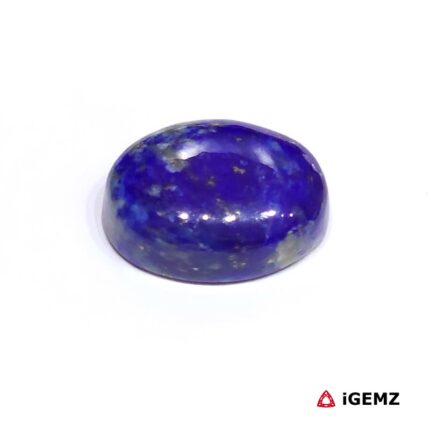
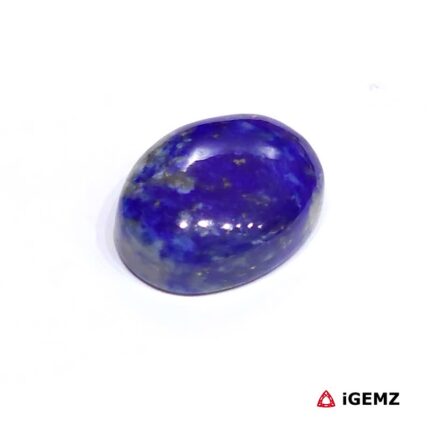
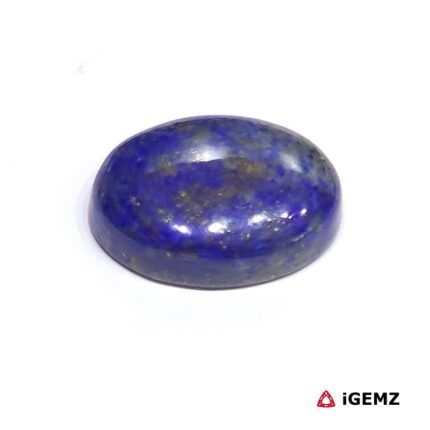
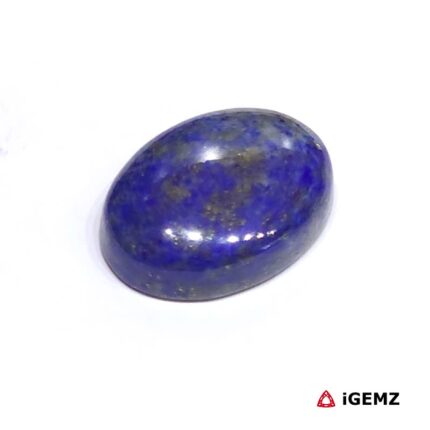
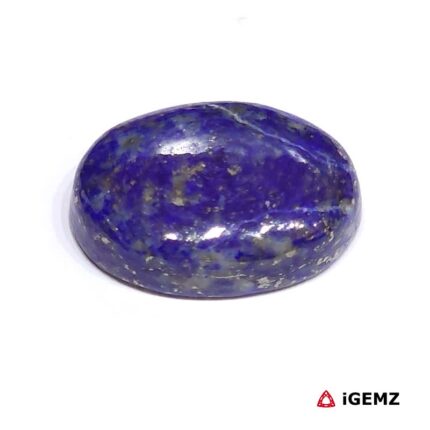
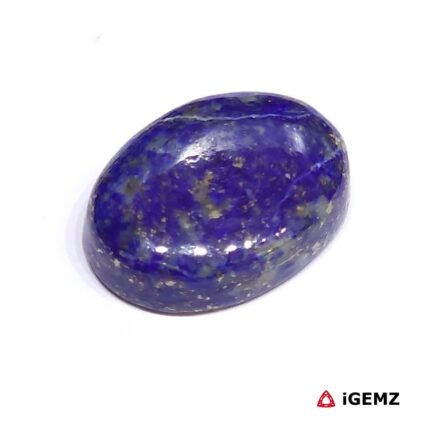
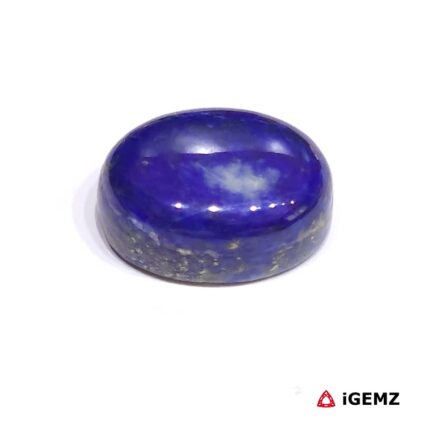
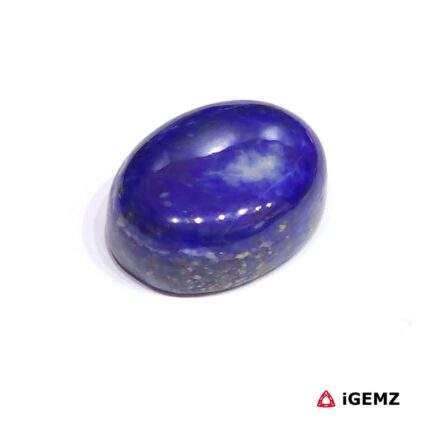
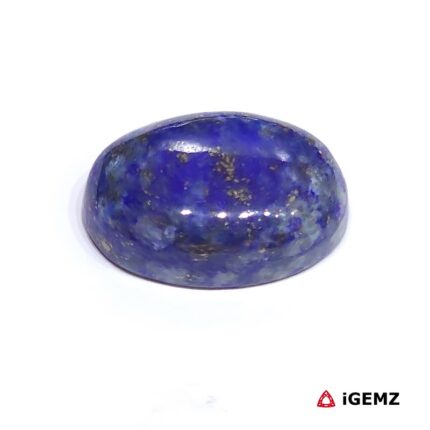
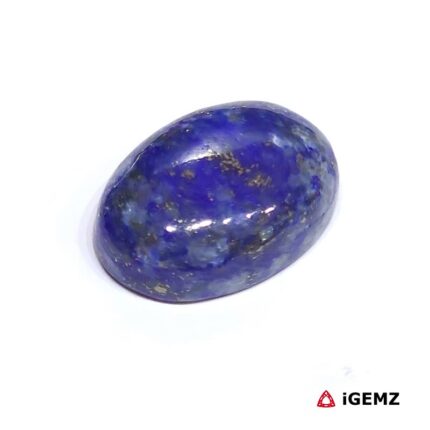
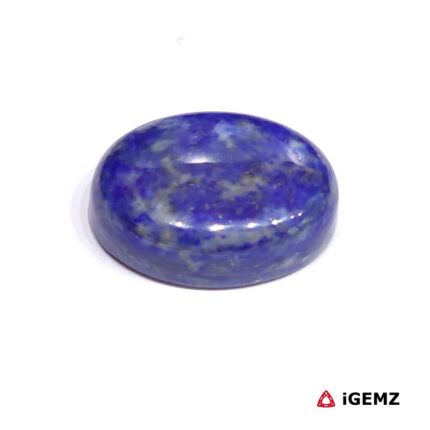
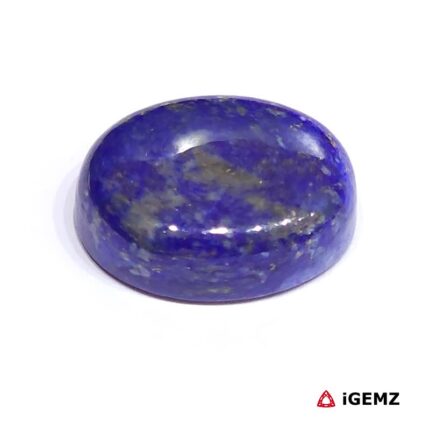
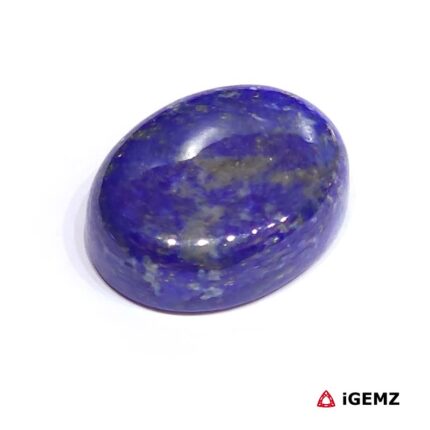
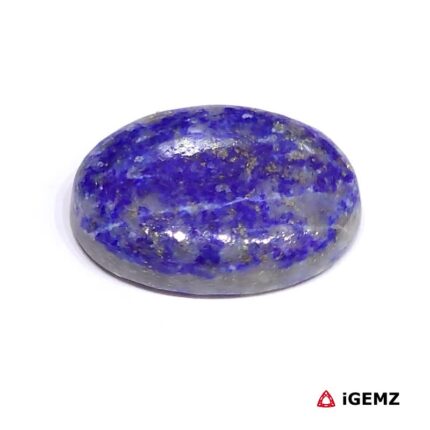
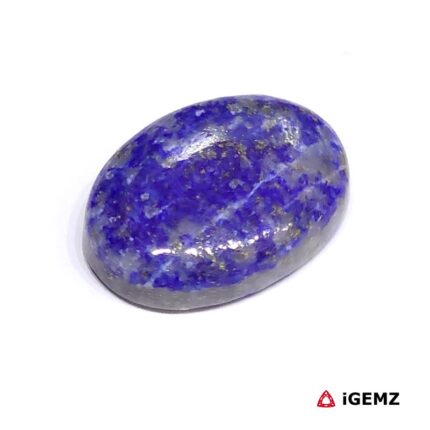
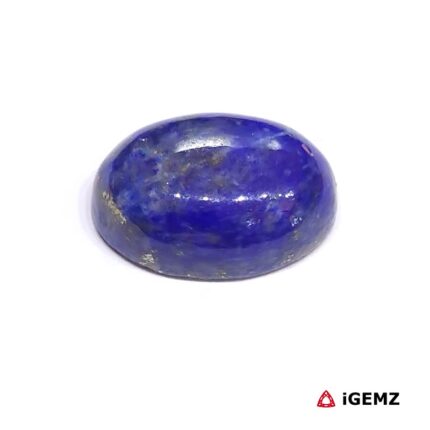
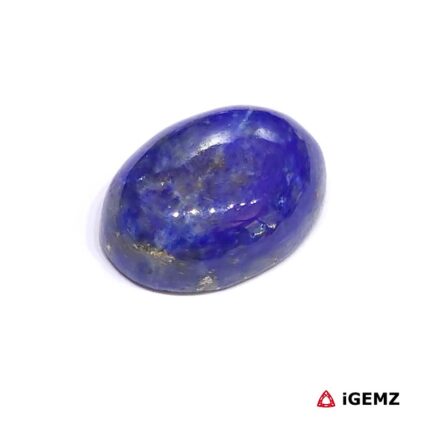
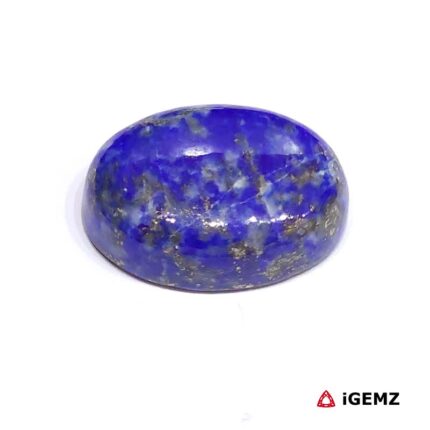
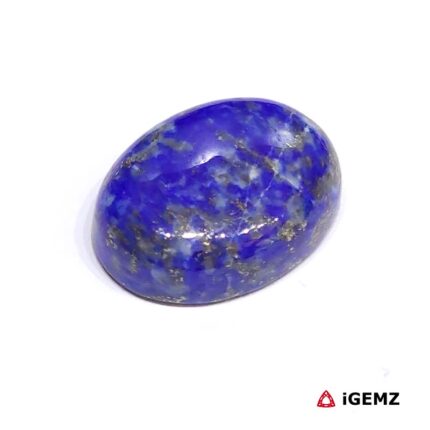
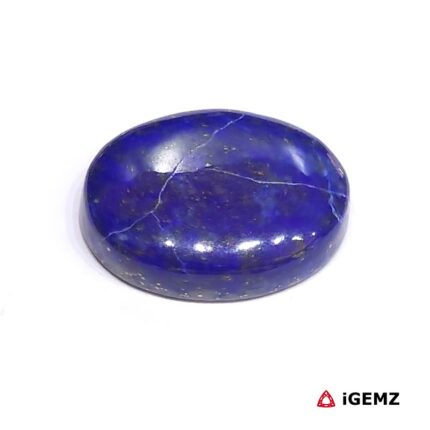
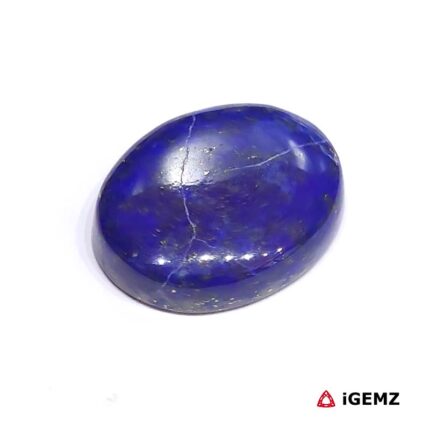
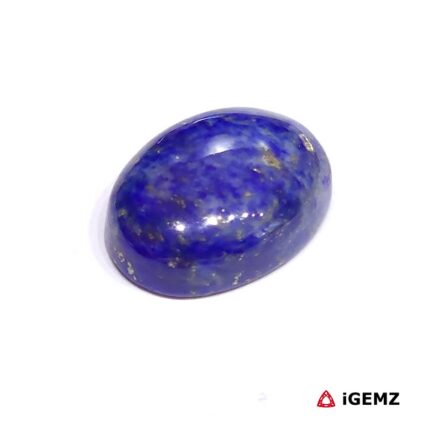
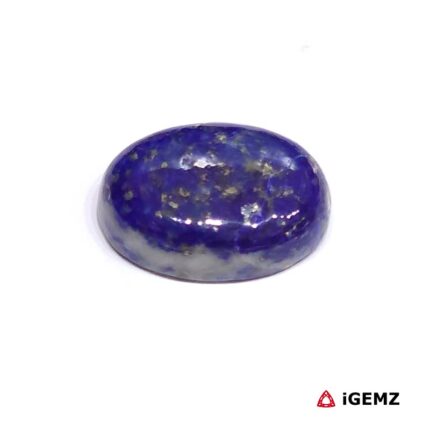
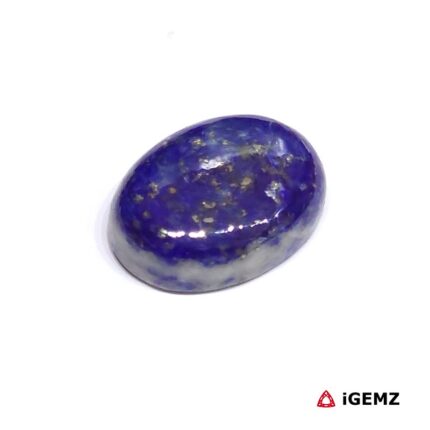
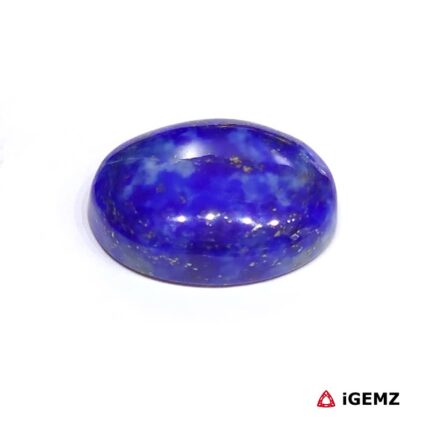
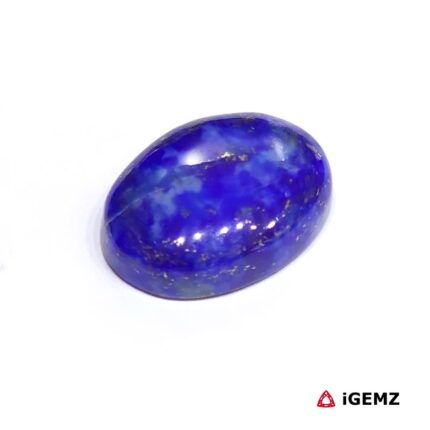
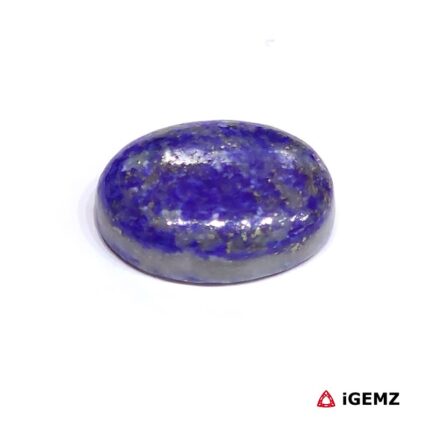
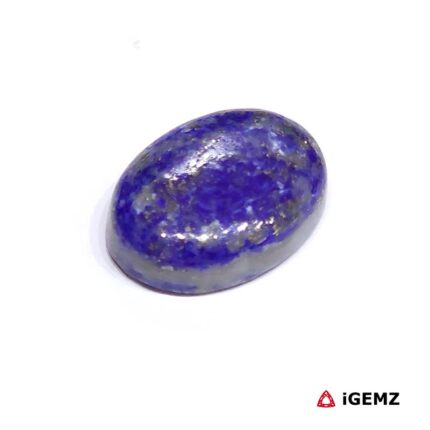
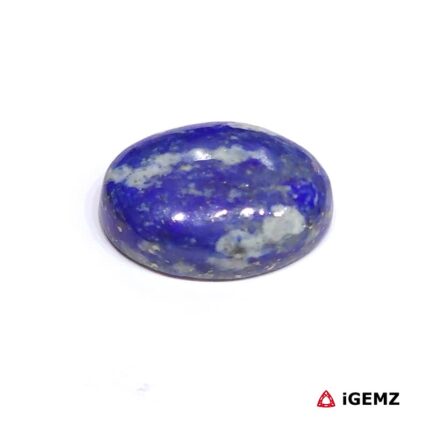
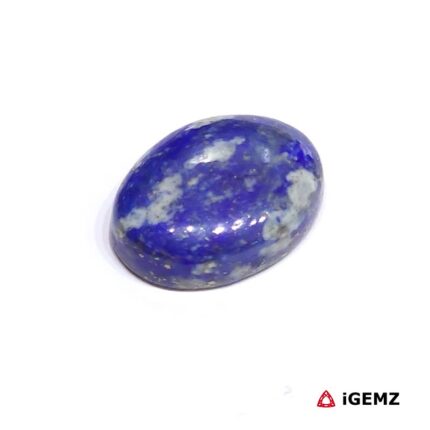
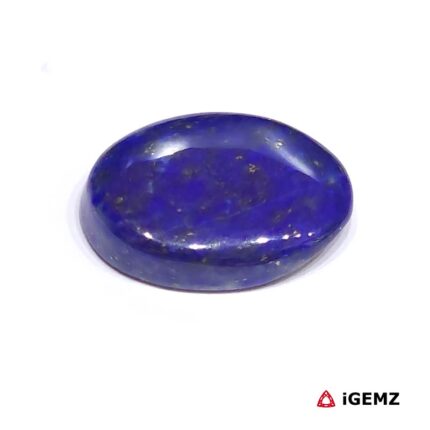
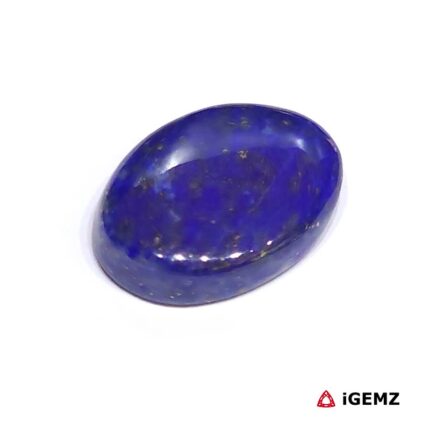
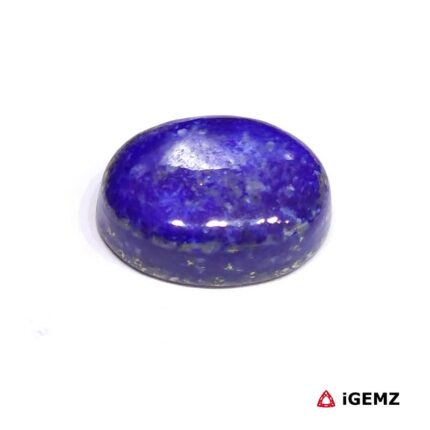
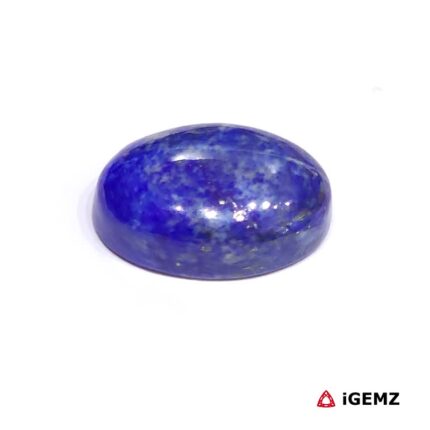
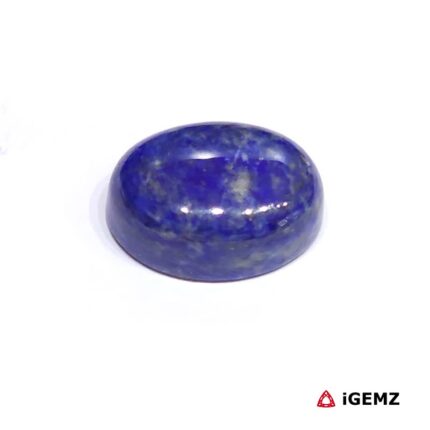
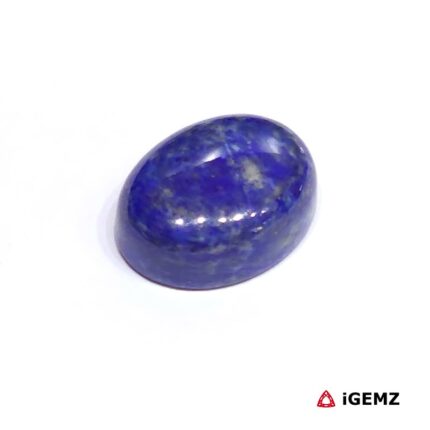
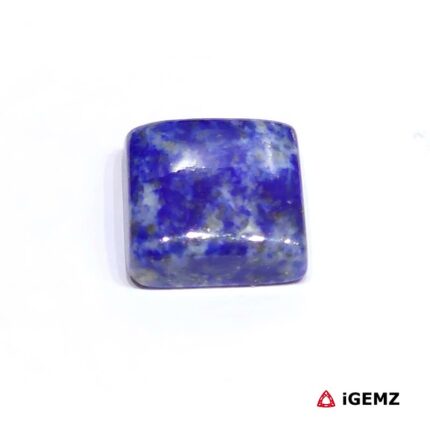
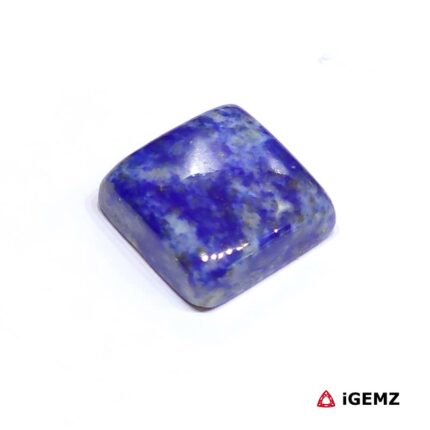
Today, lapis lazuli remains highly valued for its rich, deep blue colour, often flecked with pyrite that resembles a starry sky. Collectors and jewellery enthusiasts prize high-quality stones for their uniform colour, vibrant lustre, and historical significance.
Lapis lazuli is also used in meditation and artistic applications, continuing its legacy as a stone of wisdom, creativity, and spiritual clarity. Its durability and unique visual appeal make it popular for necklaces, cabochons, and ornamental objects worldwide.
Physical & Optical Properties
EXPLORE LAPIS LAZULI’S HARDNESS, LUSTRE, TRANSPARENCY, REFRACTIVE INDEX AND SPECIFIC GRAVITY.
Understanding the gemological properties of lapis lazuli helps assess durability, polishability and long-term suitability for jewellery.

Colour Range
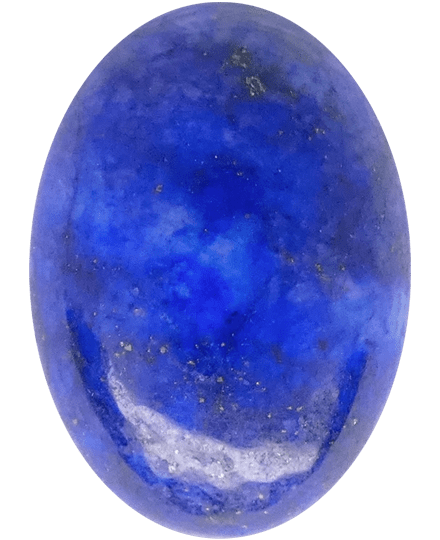
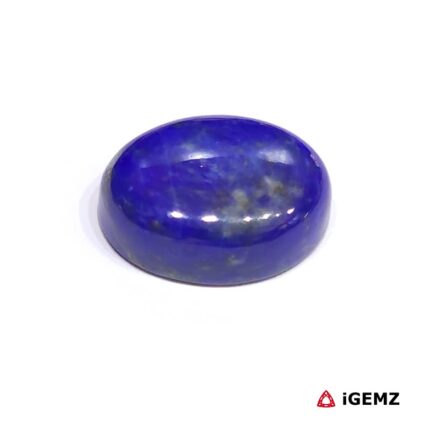
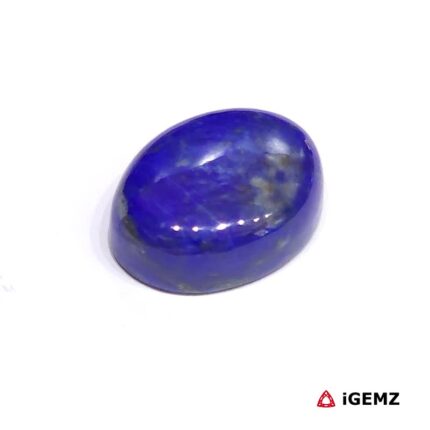
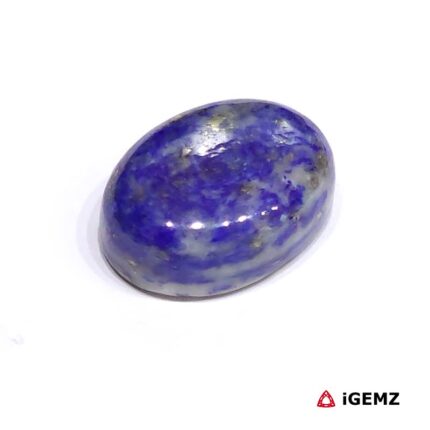
Lapis lazuli occurs in shades of: Deep ultramarine blue, Royal blue, Medium blue with pyrite inclusions. The most valuable stones are a consistent rich blue with minimal white calcite veining.

Chemical Formula
Lapis lazuli is a rock primarily composed of the mineral lazurite (Na₃Ca(Al₃Si₃O₁₂)S), along with calcite, pyrite and minor other minerals. Its distinctive colour comes from the sulfur-rich lazurite content.

Composition
Lazurite (blue) with minor calcite (white) and pyrite (metallic flecks). The balance of these minerals determines visual appeal and value.

Refractive Index
The refractive index for lapis lazuli is typically around 1.50 to 1.67.

Lustre
Dull to vitreous on polished surfaces; cabochons can display a soft sheen with reflective pyrite highlights.

Moh's Hardness & Durability
Lapis lazuli has a Mohs hardness of 5–5.5. While relatively soft, it can be polished to a smooth finish. Protective settings are recommended for rings or bracelets worn daily.

Crystal System
As a rock rather than a single mineral, lapis lazuli does not form a standard crystal system, but its mineral components have individual crystal structures.

Transparency
Opaque, with uniform colour and occasional pyrite or calcite inclusions.

Mineral Family
Lapis lazuli is a metamorphic rock composed mainly of lazurite (a feldspathoid silicate).

Specific Gravity
2.7 – 2.9, depending on mineral composition.
Origin, Treatment & Care

Lapis Lazuli is a historic gemstone prized since antiquity, often sourced from mountainous regions. Its deep blue colour, highlighted by golden pyrite inclusions, makes it highly distinctive and sought-after, but its relative softness and porosity require careful handling and protection.

Major Origins
Lapis lazuli is primarily sourced from Afghanistan, Chile, Russia, and the United States. Afghan lapis is considered the finest due to its deep, uniform blue.

Treatments
Some lapis lazuli may be dyed to enhance colour or stabilised with resin to improve durability. High-quality natural stones are untreated and show even colour with subtle pyrite flecks.

Care and Cleaning
Avoid harsh chemicals, ultrasonic cleaners, and prolonged exposure to heat or sunlight. Clean gently with a soft cloth or mild soap and water. Do not soak, and avoid abrasive scrubbing which can dull the polish.
How Lapis Lazuli Quality & Value Are Determined
Lapis lazuli value is influenced primarily by colour, uniformity, mineral composition, and cabochon quality. Unlike transparent gemstones, colour consistency and presence of pyrite or calcite determine desirability.
Colour
The most important factor for value. High-quality lapis displays:
- A uniform, intense deep blue colour
- Minimal white calcite veining
- Even distribution of pyrite flecks for sparkle
- Strong, vivid saturation without appearing dull or grey
Stones with uneven blue, excessive calcite, or muddy tones are less valuable.
Composition & Inclusions
Lazurite-rich stones with minimal calcite and attractive pyrite inclusions command the highest prices. Excessive white or grey veining reduces value.
Cut & Polish
Lapis is typically cut as cabochons or carved objects rather than faceted stones. Quality cutting ensures smooth, symmetrical surfaces and highlights the blue colour and pyrite flecks. Polishing is critical to achieve a lustrous, appealing finish.
Size & Shape
Larger pieces of uniform, deep blue lapis are rarer and more desirable, especially when suitable for necklaces, large cabochons or ornamental carvings. Shape should complement the intended jewellery design.
The Balance of the Factors
Top-quality lapis lazuli should display:
- Consistent deep blue colour
- Well-balanced pyrite inclusions
- Minimal calcite and even composition
- Smooth, polished surface
When these qualities combine, lapis lazuli becomes a visually striking, historically meaningful and collectible gemstone.

International Pricing Trends – per carat
Prices vary widely depending on colour intensity, mineral balance, size and origin. Fine Afghan lapis can command premiums, while lower-grade stones with uneven colour or excessive calcite are more affordable.
Estimated Average International Lapis Lazuli Prices (Good Quality) – Per Carat
| Weight | ZAR | USD | EUR | JPY | GBP | AUD | CAD | CHF | CNY | HKD | NZD | Market Signal |
|---|---|---|---|---|---|---|---|---|---|---|---|---|
| Under 1 carat | Small cabochons | |||||||||||
| 1 - 2 carats | Minor pyrite dominate demand | |||||||||||
| 2 - 5 carats | Larger cabochons | |||||||||||
| 5 - 10 carats | Ornamental pieces | |||||||||||
| above 10 carats | Rare, large, highly prized |








Frequently Asked Questions
Is lapis lazuli a natural gemstone?
Yes. Lapis lazuli is a natural metamorphic rock composed mainly of lazurite, with pyrite and calcite.
Why is lapis lazuli blue?
The rich blue colour comes from the mineral lazurite, which contains sulfur and aluminium within a silicate framework.
Are lapis lazuli stones treated?
Some stones may be dyed or resin-stabilised to improve colour and durability, but high-quality lapis is untreated.
Where is the finest lapis lazuli found?
Afghanistan is renowned for producing the most intense, deep blue lapis lazuli with minimal calcite and attractive pyrite flecks.
How should lapis lazuli be cleaned?
Clean gently with warm water and a soft cloth; avoid ultrasonic cleaners, harsh chemicals, or prolonged soaking.
Can lapis lazuli be used in daily jewellery?
Yes, but its relative softness (Mohs 5–5.5) means protective settings and careful handling are recommended.

Buy With Confidence
Professionally inspected gemstones
Full transparency on treatments
Worldwide shipping
Secure checkout
Ready to own the beauty of
LAPIS LAZULI?
With its intense blue colour, subtle golden pyrite flecks, and rich historical legacy, lapis lazuli offers both visual elegance and cultural significance. Perfect for necklaces, cabochons, and ornamental pieces, this gemstone combines timeless beauty with spiritual and artistic appeal. Whether for personal enjoyment, collection or bespoke jewellery, lapis lazuli remains a compelling and distinctive choice.
Royal Blue
Pyrite Flecks
Wisdom & Insight
COMPARE GEMSTONES WITH CONFIDENCE
Gemstone Comparison Guides
Choosing between two beautiful gemstones can be challenging. Our professional Gemstone Comparison Guides help you clearly understand the differences between popular gemstones so you can make a confident and informed choice.
Each comparison explores the key factors that influence gemstone quality and value, including colour, clarity, durability, rarity and typical treatments. You will also learn how similar-looking gemstones differ in appearance, composition, hardness and more.

HERE IS ALL THE PROFESSIONAL INFORMATION YOU NEED
Gemstone Buyer's Guides
Buying a gemstone should be exciting — but understanding quality, rarity and value is essential before making the right choice. Our professional Gemstone Buyer’s Guides help you understand how colour, clarity, cut and treatments influence the beauty and value of different gemstones.
Each guide explains the key quality factors used by gemologists, including gemstone composition, colour grading, natural inclusions, treatments and origin. You will also learn how these factors affect rarity, durability and market value.
Beryl Family
Feldspar Gemstones
Pyroxene Gemstones
Spodumene Family
Chalcedony & Agate
Quartz Gemstones
Amethyst
Ametrine
Citrine
Prasiolite
Quartz
Rose Quartz
Rutile Quartz
Smoky Quartz
Rare & Collector Gemstones
Apatite
Chrysoberyl
Clinozoisite
Fluorite
Grandidierite
Iolite
Jade
Kyanite
Lapis Lazuli
Phosphosiderite
Prehnite
Serendibite
Sillimanite
Sphene
Sugilite
Vesuvianite